
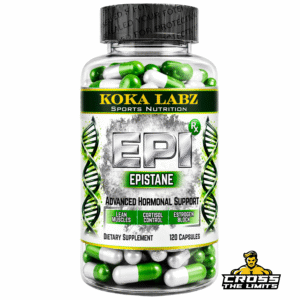
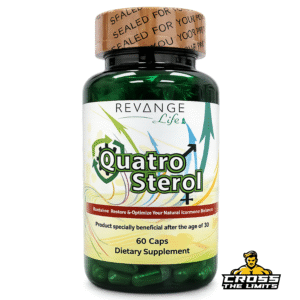
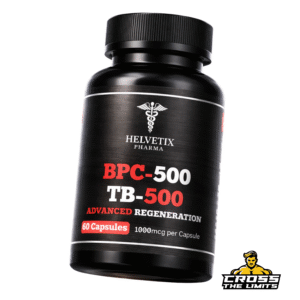
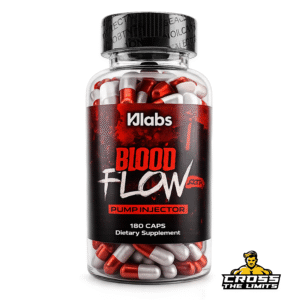

7 sarms UK options for cutting and muscle definition

Sarms uk guide to cutting: explore 7 talked-about compounds, UK legality, real risks, and safer alternatives for lean definition. Read before you buy or use.
- 1. What are SARMs and how do they work for cutting?
- 2. Are SARMs legal in the UK in 2026 and banned in sport?
- 3. What are the 7 SARMs UK options people search for when cutting?
- 4. How to plan a safe cutting phase without SARMs step by step?
- 5. How to set macros and training for definition step by step?
- 6. How to evaluate online “research chemical” claims safely step by step?
- 7. What are the real risks and side effects of SARMs for cutting?
- 8. What are the most common mistakes people make with cutting and SARMs?
- 9. Frequently asked questions about SARMs UK and cutting
- 10. Summary and next steps
If you’re researching SARMs UK for cutting and muscle definition, this guide explains what they are, UK legality of SARMs, real-world risks, and safer ways to get lean. You’ll also see the seven compounds people most often search for, plus a practical, drug-free cutting plan that helps retain lean muscle while shedding fat.
What are SARMs and how do they work for cutting?
Selective androgen receptor modulators (SARMs) are experimental compounds that attach to androgen receptors in muscle and bone. They are marketed as ways to support lean mass with fewer androgenic effects than traditional steroids, but data in healthy, trained athletes are scarce and safety concerns are significant, particularly during a cutting cycle.
At a mechanistic level, SARMs stimulate the same receptor pathways as testosterone and DHT, increasing protein synthesis and potentially reducing muscle breakdown. Small clinical trials in older or clinical populations indicate agents like ostarine can help preserve lean tissue under stress, but that evidence doesn’t confirm meaningful benefits for experienced lifters aiming to lose fat.
Real-world use brings trade-offs. Even doses sold as “research chemicals” online have been associated with suppression of natural testosterone, adverse lipid changes, and elevated liver markers. Mislabeling and contamination are common, making outcomes unpredictable. For improving definition, consistent nutrition, progressive resistance training, sleep, and approved supplements are more reliable and safer.
Quick Answer: SARMs UK and Cutting
| Question | Direct Answer |
|---|---|
| Are SARMs approved for human use? | No. SARMs are not approved as dietary supplements or medicines for use in bodybuilding. |
| Are SARMs legal to sell as supplements in the UK? | No. They cannot be legally marketed as food or dietary supplements in the UK. |
| Are SARMs banned in sport? | Yes. They are banned under WADA anti-doping rules. |
| Do SARMs guarantee fat loss? | No. Fat loss still depends mainly on calorie deficit, training and adherence. |
| Are online “research chemical” SARMs reliable? | Often not. Labels and contents may be inaccurate. |
| Is Cardarine a SARM? | No. Cardarine is often grouped with SARMs online, but it is not technically a SARM. |
| What is the safest cutting route? | Calorie deficit, high protein, resistance training, sleep and legal supplements. |
Are SARMs legal in the UK in 2026 and banned in sport?
In the UK, SARMs are unlicensed medicines not approved for human use. They cannot be legally marketed or sold as dietary supplements, and the UK legality of SARMs remains restrictive. Sporting organisations also prohibit them: WADA lists SARMs as banned and UK Anti-Doping enforces penalties that can include multi-year suspensions after a positive test.
The Medicines and Healthcare products Regulatory Agency (MHRA) has seized SARM-labelled products and warned sellers about unlawful advertising. Calling products “research chemicals” does not change their legal status if they are intended for people. Possession may occupy a grey area in some contexts, but selling them for ingestion is illegal.
For athletes, the message is clear. Andarine, ostarine, ligandrol, and similar agents are classed as anabolic substances on the Prohibited List. Testing is sensitive, detection windows can be long, and claims of trace contamination rarely protect competitors. Recreational athletes risk suspensions, reputational harm, and club penalties if they test positive.
SARMs vs Legal Cutting Strategy
| Area | SARMs Approach | Legal Cutting Approach |
|---|---|---|
| Legal status | High risk / unlicensed | Fully legal |
| Sport eligibility | Banned | Safe for tested athletes |
| Product reliability | Often uncertain | Transparent supplement labels |
| Main fat-loss driver | Still calorie deficit | Calorie deficit |
| Muscle retention | Uncertain benefit, real risks | High protein + resistance training |
| Health monitoring | Bloodwork strongly advised if used | Generally lower risk |
| Long-term sustainability | Poor | High |
What are the 7 SARMs UK options people search for when cutting?
People frequently search seven compounds when cutting: ostarine (MK-2866), andarine (S-4), ligandrol (LGD-4033), RAD-140 (testolone), S-23, YK-11, and cardarine (GW-501516). Note that cardarine is not a SARM but a PPARδ agonist. None are approved for human use and all carry significant safety and legal issues.
Briefly:
- Ostarine: Promoted for modest lean-mass support but can suppress hormones and alter lipids; users often search for Ostarine MK-2866 effects.
- Andarine: Associated with visual disturbances (yellow tint, night-vision issues).
- Ligandrol: Causes strong hormonal suppression at low doses in studies.
- RAD-140: Marketed as “dry” but raises concerns about liver and cholesterol.
- S-23: Highly suppressive.
- YK-11: Acts more like a myostatin-inhibiting designer steroid than a classic SARM.
- Cardarine: Showed tumour signals in animal tests, halting human trials.
Online “SARMs UK” lists ranking these for hardness or fat loss are driven by marketing and lack solid evidence for athletes. Labels often misrepresent contents, and blends may contain undisclosed steroids. For a cutting cycle, the safest approach remains a structured calorie deficit, high protein, progressive training, good sleep, and permitted aids like caffeine and creatine.
The 7 Compounds People Search for When Cutting
| Compound | What People Search It For | Key Reality Check |
|---|---|---|
| Ostarine / MK-2866 | Lean mass retention | Can still affect hormones and lipids |
| Andarine / S-4 | “Dry look” and hardness | Associated with vision-related reports |
| Ligandrol / LGD-4033 | Strength and fullness | Strong suppression concern |
| RAD-140 / Testolone | Muscle retention and aggression | Liver and lipid concerns reported |
| S-23 | Extreme “dry” cutting | Highly suppressive reputation |
| YK-11 | Myostatin-related claims | More steroid-like than classic SARM |
| Cardarine / GW-501516 | Endurance and fat loss | Not a SARM; serious safety concerns in animal data |
How to plan a safe cutting phase without SARMs step by step?
You can preserve muscle and reveal definition drug-free with a clear, methodical plan. Aim for steady fat loss, keep protein high, and maintain progressive resistance training. Add moderate cardio, prioritise sleep, and manage stress. Track progress weekly and make small, data-driven adjustments.
- Set pace: Aim for 0.5–1.0% bodyweight loss per week.
- Calculate calories: Start with total daily energy expenditure minus 10–20%.
- Keep protein high: Aim for 1.6–2.2 g/kg bodyweight.
- Balance macros: Allocate remaining calories to carbs and fats you can adhere to.
- Train efficiently: Train 3–5 days per week focusing on compound lifts.
- Prioritise recovery: Sleep 7–9 hours to support hormones and recovery.
- Use legal aids: Caffeine 2–3 mg/kg pre-workout, creatine 3–5 g daily, and whey to meet protein targets.
- Track metrics: Monitor weight trends, waist measurements, photos, and strength on key lifts.
- Adjust when needed: Cut 100–200 kcal and/or add 20–30 minutes of weekly cardio if fat loss stalls.
Legal and Anti-Doping Status at a Glance
| Context | Status |
|---|---|
| UK dietary supplement sale | Not legal as a supplement/food product |
| “Research chemical” label | Does not make human use safe or lawful |
| WADA sport status | Prohibited |
| UK Anti-Doping status | Prohibited |
| Tested athletes | High risk of sanction |
| Online sellers | High risk of misleading claims |
| Consumer protection | Weak due to mislabelling and unlicensed supply |
How to set macros and training for definition step by step?
Macros and training choices decide success on a cut. Keep protein steady, adjust carbs to maintain performance, and set fats for fullness and health. Base training on heavy compound movements, sufficient weekly volume, and targeted cardio so you burn fat without losing muscle or strength.
Macros:
- Protein: 1.6–2.2 g/kg.
- Fat: 0.6–1.0 g/kg (avoid prolonged very low fat).
- Carbs: Fill remaining calories to sustain training quality. On high-volume days, prioritise carbs; on rest days, reduce carbs modestly. Aim for 80–90% whole foods and 10–20% flexibility for adherence. Keep fibre at 10–14 g per 1,000 kcal.
Training:
- Volume: 10–20 hard sets per muscle group per week, spread over 2–3 sessions.
- Rep Ranges: Mainly 6–12, with some 3–6 for strength and 12–20 for accessory work.
- Cardio: Two to four sessions: 20–40 minutes low-intensity or 8–12 intervals of 60–90 seconds per week. Progress by adding reps, sets, or load rather than chasing exhaustion each session.
What Can Go Wrong with SARMs During a Cut?
| Risk Area | Possible Issue |
|---|---|
| Hormones | Natural testosterone suppression |
| Lipids | Lower HDL / higher LDL pattern |
| Liver | Elevated liver enzymes |
| Mood | Irritability, anxiety or low mood after use |
| Libido | Reduced libido from hormonal suppression |
| Hair | Possible shedding in susceptible users |
| Vision | Especially discussed with Andarine / S-4 |
| Sport | Failed drug test and suspension |
| Product quality | Contamination or wrong ingredient |
| Long-term health | Unknown safety profile |
How to evaluate online “research chemical” claims safely step by step?
When you see SARMs UK ads, scrutinise them carefully and avoid use. Unlicensed drugs pose legal and health hazards, and product labels are unreliable. The safest choice is not to take them. If you already have, see a clinician and request appropriate blood tests and monitoring.
- Check legality: MHRA warns against SARMs sold for ingestion; “not for human consumption” does not make them lawful.
- Examine lab certificates: Many “third-party COAs” are recycled or unverifiable; genuine reports include lot numbers, analytical methods (e.g., HPLC), and lab contact details.
- Spot red flags: Miracle claims, proprietary blends, droppers with unclear concentrations, and aggressive timelines.
- Consider sporting risk: WADA bans SARMs and use risks a doping violation.
- Put health first: If tempted, question the reason—timeline pressure, body-image expectations, or misinformation—and consult a GP or sports dietitian about safer strategies.
- Protect yourself: If you used a product, request tests for hormones, liver enzymes, and lipids, and stop use while you assess.
Research Chemical Red Flags
| Seller Claim | Why It’s a Red Flag |
|---|---|
| “For research only” but marketed to gym users | Contradictory positioning |
| “No side effects” | Unrealistic and unsafe claim |
| “Perfect for beginners” | Minimises risk |
| “No PCT needed” | Oversimplifies hormonal risk |
| “Lab tested” with no lot number | COA may be unverifiable |
| Proprietary blend | Hides exact contents |
| Massive transformation photos | Marketing, not evidence |
| No company address | Poor accountability |
| No third-party verification | Trust issue |
| Sold beside supplements | Misleading category placement |
A PubMed-indexed analysis of products available to UK consumers notes SARMs are often illegally marketed as supplements despite lacking safety approval.
What are the real risks and side effects of SARMs for cutting?
SARMs can suppress natural testosterone, disrupt cholesterol, and raise liver enzymes. Some cause vision changes, mood swings, or hair loss. Because many products are contaminated, you may ingest hidden steroids. Long-term cancer risks are unknown, and athletes face strict anti-doping penalties for any detection.
Suppression: Reports often describe lower LH/FSH, reduced total and free testosterone, decreased libido, and fatigue. Lipids: HDL can fall and LDL rise, increasing cardiovascular concern. Liver: Oral agents can elevate ALT/AST. Specifics: Andarine is linked with visual disturbances; cardarine produced tumour signals in animal tests.
Contamination: Analyses of marketed “SARMs” frequently find contents that don’t match labels; some products contain prohormones or designer steroids. Women face higher virilisation risk from androgenic contamination. Overall, risks include hormonal, hepatic, and cardiovascular harm, with uncertain long-term effects and clear sporting consequences.
Safe Cutting Metrics to Track Instead
| Metric | Target / Use |
|---|---|
| Weekly weight trend | 0.5–1.0% bodyweight loss per week |
| Waist measurement | Track fat loss beyond scale weight |
| Progress photos | Same lighting, same pose, weekly |
| Protein intake | 1.6–2.2 g/kg bodyweight |
| Training log | Maintain strength where possible |
| Sleep duration | 7–9 hours |
| Resting heart rate | Watch recovery stress |
| Hunger level | Adjust deficit if unsustainable |
| Energy level | Prevent excessive fatigue |
| Mood/libido | Useful recovery and hormone markers |
What are the most common mistakes people make with cutting and SARMs?
Common errors start with assuming SARMs will fully preserve muscle during a steep cut—they often don’t, and they add legal and health hazards. People pursue rapid weight loss, stack multiple compounds, and rely on forum-sourced post-cycle therapies instead of fixing training, nutrition, sleep, and stress.
Frequent mistakes:
- Using deficits greater than 25% of maintenance, causing muscle loss and burnout.
- Dropping protein below 1.6 g/kg while increasing cardio.
- Reducing resistance training volume.
- Excessive HIIT while under-recovered.
- Ignoring sleep and hydration.
- Trusting “SARMs UK” purity claims from anonymous sellers.
- Failing to track progress, then overreacting with extreme diet changes.
Better choices are slow, steady deficits; consistent protein; maintained training volume with progressive overload; and measured cardio. Keep a weekly checklist: energy, mood, hunger, training log, bodyweight, and waist measurements.
Cutting Mistakes That Cost Muscle
| Mistake | Better Approach |
|---|---|
| Huge calorie deficit | 10–20% deficit |
| Dropping protein too low | Keep protein high |
| Stopping heavy lifting | Maintain progressive resistance training |
| Too much HIIT | Use measured cardio volume |
| Poor sleep | Prioritise 7–9 hours |
| Panic adjustments | Use weekly averages |
| Cutting carbs too hard | Keep enough carbs for performance |
| No rest days | Manage recovery |
| Ignoring stress | Reduce non-training stressors |
| Expecting SARMs to fix bad habits | Fix diet, training and recovery first |
Frequently Asked Questions About SARMs UK and Cutting
Below are concise answers to the most common questions about SARMs UK, cutting, legality, anti-doping rules, health risks and safer alternatives for preserving lean muscle while reducing body fat.
Can you legally buy SARMs in the UK in 2026?
SARMs are not approved for human use and cannot legally be marketed as dietary supplements in the UK. Some online sellers use terms such as “research chemical” or “not for human consumption”, but that does not make them safe or suitable for bodybuilding use. Anyone considering SARMs should understand the legal, health and sporting risks before purchasing anything online.
Are SARMs banned in sport?
Yes. SARMs are banned by major anti-doping organisations, including WADA. Competitive athletes can fail a drug test if SARMs or related substances are detected, even if the product was bought online or labelled as a “research chemical”. A positive test may lead to suspension, loss of results and reputational damage.
Do SARMs help retain muscle during a cut?
SARMs are often marketed for muscle retention during fat loss, but evidence in healthy trained athletes is limited. Any possible benefit must be weighed against risks such as testosterone suppression, lipid changes, liver strain and contamination. A well-planned calorie deficit, high protein intake and progressive resistance training remain the safest foundation for preserving muscle on a cut.
Are SARMs safer than anabolic steroids?
Not necessarily. SARMs are often promoted as a safer alternative to steroids, but they are still experimental compounds and can affect hormones, cholesterol, liver markers and overall health. Many products sold online are also mislabelled or contaminated, making real-world risk difficult to predict.
What are the most common SARMs searched for cutting?
The most searched compounds include Ostarine MK-2866, Andarine S-4, Ligandrol LGD-4033, RAD-140, S-23, YK-11 and Cardarine GW-501516. Cardarine is often grouped with SARMs online, but it is not technically a SARM. None of these are approved supplements for cutting or muscle definition.
Is Cardarine a SARM?
No. Cardarine, also known as GW-501516, is not a SARM. It is a PPARδ agonist, but it is commonly discussed alongside SARMs in online cutting guides. It carries its own safety concerns and is also banned in sport.
What are the real side effects of SARMs?
Reported concerns include natural testosterone suppression, reduced libido, mood changes, increased liver enzymes, negative cholesterol changes, hair shedding in susceptible users and visual disturbances with some compounds such as Andarine. Because online products may be mislabelled, users may also be exposed to undisclosed steroids or prohormones.
Will SARMs show up on a drug test?
Yes. Many SARMs are detectable by modern assays, and detection windows can extend beyond the last dose. A positive test leads to sanctions, and claims of “unknowing ingestion” are seldom accepted as a defence. Athletes should not assume that stopping shortly before competition eliminates risk.
Are “research chemical” SARMs safer or legal?
No. The phrase “research chemical” is often used by sellers to avoid direct supplement claims. It does not guarantee quality, safety, purity or legal suitability for human use. If a product is promoted to gym users for physique or performance, that is a major red flag.
What are safer legal supplements for cutting?
Legal options include whey protein to hit protein targets, creatine monohydrate to support strength, caffeine for training performance, electrolytes for hydration and fibre for fullness. These do not replace diet and training, but they have a much stronger safety profile when used responsibly.
How can you preserve muscle on a cut without SARMs?
The most reliable approach is a moderate calorie deficit, high protein intake, progressive resistance training, adequate sleep and controlled cardio. Aim for slow, steady fat loss rather than an aggressive crash diet. Most muscle loss during cutting comes from poor programming, low protein, excessive cardio or cutting calories too hard.
What is the biggest mistake people make with SARMs and cutting?
The biggest mistake is assuming SARMs will compensate for a bad cutting plan. They do not replace calorie control, protein intake, training quality or recovery. Many users focus on compounds before fixing the basics, which increases risk without solving the real reason their cut is failing.
Summary and next steps
Selective androgen receptor modulators promise targeted muscle retention but offer uncertain benefits, clear legal restrictions in the UK, and real health risks. The safer path to definition is proven: modest calorie deficits, high protein, progressive lifting, good sleep, and legal aids. If you’ve used or considered SARMs, talk to a healthcare professional.
For a stronger, leaner look, commit to an 8–12 week plan, track weekly metrics, and make small adjustments. If you compete, remember SARMs are banned at all times. Choose a sustainable route, protect your health and eligibility, and start refining your training and nutrition today.