Where Can You Buy the Best Creatine Supplements in the UK?
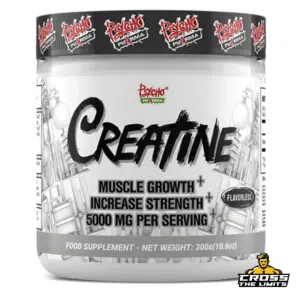
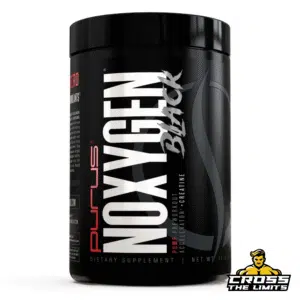
Cross The Limits offers a specialist selection of creatine supplements designed to support strength, power, muscle growth and high-intensity training performance. The category includes creatine monohydrate, micronised creatine, flavoured powders, capsules and advanced multi-ingredient formulas.
Creatine is one of the most extensively researched and widely used sports supplements. It is popular among bodybuilders and strength athletes, but it can also support people involved in sprinting, combat sports, CrossFit, team sports and other forms of repeated high-intensity exercise.
The Cross The Limits creatine range includes:
– Creatine monohydrate powders
– Micronised creatine monohydrate
– Creatine capsules and tablets
– Flavoured creatine supplements
– Creatine blends and advanced performance formulas
– Products for strength, power and muscle-building programmes
– Options from recognised sports nutrition manufacturers
What Is Creatine?
Creatine is a naturally occurring compound stored primarily in skeletal muscle. The body produces creatine from amino acids, while additional amounts can be obtained from foods such as meat and fish.
Inside the muscles, creatine is stored partly as phosphocreatine. This stored phosphocreatine helps regenerate adenosine triphosphate, commonly known as ATP, which provides energy for short and intense physical efforts.
Diet supplies some creatine, but supplementation provides a practical and consistent way to increase muscle creatine stores. This is one reason creatine is widely used by athletes following structured strength and performance programmes.
What Does Creatine Do?
Creatine supports the rapid production of energy during repeated bursts of high-intensity exercise. This can help users maintain strength, power and training quality across demanding sets or repeated efforts.
Creatine is commonly used to support:
– Strength: Greater phosphocreatine availability can support performance during heavy resistance training.
– Explosive power: Creatine is widely used in sprinting, jumping, weightlifting and other short-duration activities.
– Training volume: Improved repeated-effort performance may help users complete more productive sets or repetitions.
– Muscle growth: By supporting training performance, creatine can complement a programme designed to increase lean mass.
– High-intensity endurance: Creatine may support repeated short efforts with limited recovery between them.
– Recovery between efforts: Faster ATP regeneration can support performance across repeated sets or sprints.
Creatine does not build muscle without training. Its main value comes from helping users perform and progress within a consistent resistance-training programme.
Is Creatine Only for Bodybuilders?
No. Creatine is suitable for many types of athletes and active adults, not only bodybuilders. It is particularly relevant to activities involving strength, speed, power or repeated high-intensity movements.
Creatine may be used by:
– Bodybuilders focused on muscle size and training volume
– Powerlifters and strength athletes
– Weightlifters
– Sprinters and track athletes
– Football, rugby and other team-sport players
– Combat-sport athletes
– CrossFit and functional fitness participants
– Recreational gym users pursuing strength and muscle goals
Endurance athletes may also use creatine when their sport includes sprint finishes, hills, strength training or repeated high-intensity efforts.
What Are the Benefits of Creatine Supplements?
Creatine is valued because it supports several important aspects of physical performance through one straightforward supplement.
– Better performance during intense exercise: Creatine supports repeated bursts of short-duration, high-intensity activity.
– Greater strength potential: It can complement progressive resistance training and strength-focused programmes.
– Increased training capacity: Users may be able to maintain better performance across demanding sets.
– Support for muscle development: Improved training quality can contribute to long-term lean mass gains.
– Wide application: Creatine can be used for bodybuilding, strength training, sprinting and team sports.
– Simple daily use: Most users can take one consistent daily serving without a complicated protocol.
– Extensive research: Creatine monohydrate is one of the best-studied ingredients in sports nutrition.
Which Form of Creatine Is Best?
Creatine monohydrate is the most researched and widely recommended form of creatine. It has a strong history of use in sports nutrition and provides a straightforward way to increase daily creatine intake.
Other forms are available, but they have not consistently been shown to outperform standard creatine monohydrate when equivalent amounts are used.
What Is Creatine Monohydrate?
Creatine monohydrate combines creatine with a water molecule and is the standard form used in most research. It is widely available, cost-effective and suitable for both new and experienced supplement users.
For most customers, a straightforward creatine monohydrate powder is an appropriate first choice.
What Is Micronised Creatine?
Micronised creatine monohydrate contains smaller particles than standard creatine powder. The smaller particle size can help the powder mix more easily in water and may produce a smoother drink.
Micronisation does not create a completely different type of creatine. It remains creatine monohydrate and provides the same active compound.
What Other Types of Creatine Are Available?
The Cross The Limits range may also include:
– Creatine hydrochloride: A highly soluble form often provided in smaller servings.
– Creatine malate: Creatine combined with malic acid and used in selected performance formulas.
– Buffered creatine: A form designed around an altered pH.
– Creatine blends: Products combining several creatine forms or additional performance ingredients.
– Creatine capsules: A convenient alternative for users who do not want to mix powders.
– Flavoured creatine: Powdered products designed to be mixed with water as a standalone drink.
Alternative forms can be convenient, but creatine monohydrate remains the most established option.
How Much Creatine Should You Take Per Day?
A common daily creatine serving is 3 to 5 grams. This amount is widely used as part of a consistent supplementation routine.
The appropriate amount can depend on the product, body size and individual training plan. Always check the manufacturer’s serving directions.
For most users, the simplest approach is:
– Take 3 to 5 grams of creatine each day.
– Use it consistently on both training and rest days.
– Follow the serving information provided with the selected product.
– Drink enough water throughout the day.
– Avoid increasing the serving simply because the effects are not immediately noticeable.
Creatine works by gradually increasing and maintaining muscle creatine stores. It does not need to produce an immediate stimulant sensation to be effective.
Do You Need a Creatine Loading Phase?
A creatine loading phase is optional. It can increase muscle creatine stores more quickly, but it is not required to receive the long-term benefits of supplementation.
A traditional loading approach may involve approximately 20 grams per day, divided into four smaller 5-gram servings, for around five to seven days. This is usually followed by a maintenance intake of 3 to 5 grams per day.
An alternative is to begin directly with 3 to 5 grams per day. Muscle creatine stores will increase more gradually, but the eventual level can be similar when supplementation remains consistent.
Loading may be suitable when:
– You want to increase muscle creatine stores more quickly.
– You can divide the daily amount into several smaller servings.
– The selected product provides suitable loading instructions.
Skipping the loading phase may be suitable when:
– You prefer a simple daily routine.
– Larger servings cause digestive discomfort.
– You are not concerned about reaching full saturation as quickly as possible.
When Is the Best Time to Take Creatine?
Consistency is generally more important than the exact time of day. Creatine does not work like a stimulant pre-workout that must be timed immediately before exercise.
You can take creatine:
– Before training
– After training
– With breakfast or another daily meal
– Mixed into a protein shake
– At any convenient time on rest days
Selecting a time that makes the supplement easy to remember is often the most practical approach.
Some users prefer taking creatine with a post-workout meal or shake. Others add it to their pre-workout drink. Both approaches can fit a consistent routine.
Should You Take Creatine on Rest Days?
Yes. Creatine is normally taken every day, including rest days. Daily use helps maintain elevated creatine stores in the muscles.
On rest days, the supplement can be taken with any convenient meal or drink. There is no need to match the serving to the time at which you would normally train.
Do You Need to Cycle Creatine?
Creatine does not generally need to be cycled. Many users take a regular maintenance serving for extended periods rather than alternating between periods of use and complete breaks.
Stopping creatine will gradually allow muscle creatine stores to return toward their previous level. Taking a break does not make the body more capable of absorbing creatine from food or supplements.
Customers should follow the directions provided with the individual product and consider their own health, diet and supplementation plan.
Does Creatine Cause Water Retention?
Creatine can increase the amount of water stored inside muscle cells. This intracellular water is one reason users may notice an increase in body weight during the early stages of supplementation.
This does not mean that creatine directly increases body fat. The initial weight change is commonly associated with additional water stored within muscle tissue.
Some users value this effect because it can contribute to a fuller muscular appearance.
Does Creatine Cause Digestive Problems?
Creatine is generally straightforward to use, but large single servings may cause digestive discomfort in some people.
Possible issues can include:
– Stomach discomfort
– Bloating
– Loose stools
– Nausea after a large serving
To reduce the likelihood of discomfort:
– Avoid taking an unnecessarily large serving at once.
– Divide a loading amount into several smaller servings.
– Mix powder thoroughly with enough liquid.
– Take the supplement with a meal when appropriate.
– Select a standard maintenance approach instead of loading.
Can Women Take Creatine?
Yes. Creatine can be used by women pursuing strength, power, muscle-development or high-intensity performance goals. It is not a male-only or bodybuilding-only supplement.
The same principles apply. The product should be used consistently according to the serving directions and as part of an appropriate training and nutrition plan.
Is Creatine Suitable for Vegetarians and Vegans?
Creatine supplements can be especially relevant to vegetarians and vegans because the main dietary sources of creatine are meat and fish.
Many creatine monohydrate powders are produced synthetically and do not contain animal tissue. However, customers following a vegan diet should still check the full product label, capsule material and manufacturing information.
How Do You Choose the Best Creatine Supplement?
Choose creatine according to the form, serving size and format that best fits your routine.
– Choose creatine monohydrate when you want the most established and widely researched option.
– Choose micronised monohydrate when easy mixing is important to you.
– Choose capsules when convenience is more important than the lowest cost per serving.
– Choose flavoured powder when you want to drink creatine as a standalone product.
– Choose a creatine blend when you want additional performance ingredients in the same formula.
– Check how much actual creatine is provided by the recommended serving.
– Compare the number of servings rather than only the total package weight.
A more complex or expensive formula is not automatically more effective than a straightforward creatine monohydrate product.
Can You Combine Creatine with Other Supplements?
Creatine is commonly combined with other sports nutrition products. It can be included within a wider routine based on the user’s training and nutrition goals.
Popular combinations include:
– Creatine with pre-workout supplements for energy and performance support
– Creatine with protein powder for muscle-building nutrition
– Creatine with carbohydrates after demanding training
– Creatine with amino acid products
– Creatine with post-workout supplements for a convenient recovery routine
Check whether an existing pre-workout or performance product already contains creatine before adding another full serving.
Why Buy Creatine from Cross The Limits?
Cross The Limits offers creatine products for beginners, regular gym users and experienced athletes. Customers can compare powders, capsules, flavours, serving sizes and different creatine forms in one specialist store.
– Authentic products from recognised supplement manufacturers
– Creatine monohydrate and alternative forms
– Powder, capsule and flavoured options
– Products for strength, power and muscle-building goals
– Clear ingredient and serving information
– Secure checkout and tracked UK delivery
– Access to complementary pre-workout, protein and recovery supplements
– Specialist customer support
Explore the creatine supplements available at Cross The Limits and compare the forms, serving sizes and formats that best match your training routine.
Frequently Asked Questions
Where can I buy creatine supplements in the UK?
You can buy creatine supplements from CrossTheLimits.co.uk, where you can compare creatine monohydrate powders, micronised creatine, capsules, flavoured products and advanced performance formulas.
What does creatine do for the body?
Creatine increases the availability of phosphocreatine in muscle, helping the body regenerate energy during repeated high-intensity efforts. This can support strength, power, training volume and muscle-building programmes.
How much creatine should I take per day?
A common maintenance serving is 3 to 5 grams per day. Follow the directions provided with the individual product, as serving sizes and concentrations may vary.
Is a creatine loading phase necessary?
No. Loading is optional. It can increase muscle creatine stores more quickly, but taking 3 to 5 grams consistently each day can achieve a similar level more gradually.
What is the best type of creatine?
Creatine monohydrate is the most extensively researched and established form. Micronised monohydrate provides the same active compound with a smaller particle size that may mix more easily.
When is the best time to take creatine?
Creatine can be taken before training, after training or with a convenient daily meal. Consistent daily use is generally more important than the exact timing.
Should I take creatine on rest days?
Yes. Creatine is commonly taken every day, including rest days, to help maintain elevated creatine stores in muscle.
Do I need to cycle creatine?
Creatine does not generally need to be cycled. Many users take a consistent maintenance serving for extended periods according to the product directions.
Does creatine cause weight gain?
Creatine may initially increase body weight because it increases water stored within muscle cells. It does not directly increase body fat.
Can women take creatine?
Yes. Women can use creatine to support strength, power, high-intensity exercise and muscle-development goals as part of an appropriate training programme.
Can vegetarians and vegans take creatine?
Yes. Creatine may be particularly relevant to people who do not eat meat or fish. Vegan customers should check the complete label and capsule material to confirm that the selected product matches their dietary requirements.
Can I combine creatine with pre-workout or protein?
Yes. Creatine is commonly combined with pre-workout and protein supplements. Check whether another product already provides creatine before adding a separate full serving.
Why buy creatine from Cross The Limits?
Cross The Limits offers authentic creatine supplements from recognised manufacturers, including monohydrate powders, capsules, flavoured products and advanced blends, with clear serving information and tracked UK delivery.