


Caffeine and Athletics: Navigating the Fine Line Between Boost and Burnout
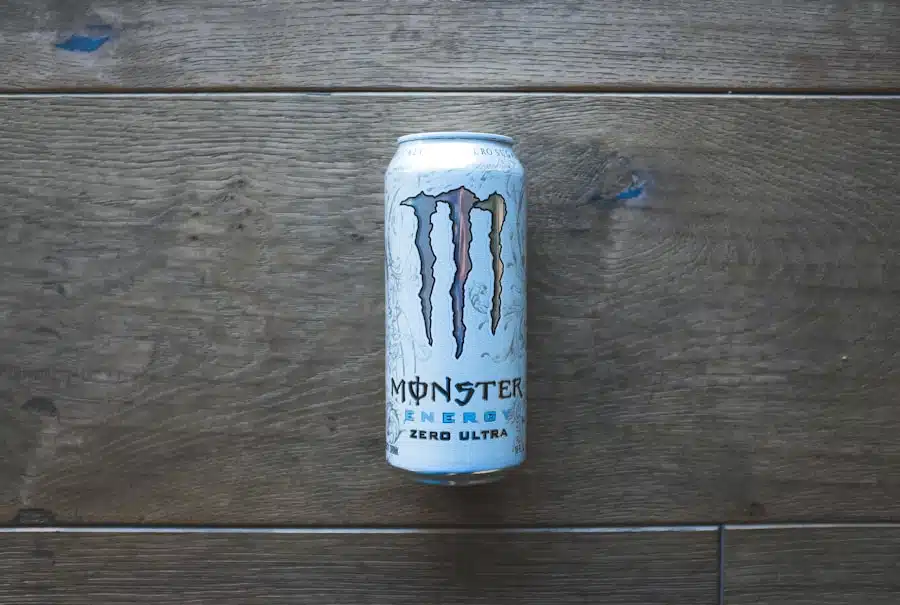
Caffeine is a widely used stimulant that has been shown to have a significant impact on athletic performance. When consumed in moderate amounts, caffeine can enhance endurance, strength, and power output, making it a popular choice among athletes looking to improve their physical results. Research demonstrates that caffeine increases alertness, reduces perceived exertion, and improves overall training capacity. By stimulating the central nervous system, caffeine boosts adrenaline production and enhances muscle contraction efficiency. Additionally, it promotes the mobilization of fatty acids into the bloodstream, preserving glycogen stores during prolonged exercise. However, balancing intake is critical, as excessive reliance on stimulants can lead to unwanted side effects and long-term fatigue.
Key Takeaways
- Caffeine enhances both strength and endurance: Moderate intake boosts power output, improves focus, and lowers perceived exertion during intense training.
- Optimal dosing is key to performance: Consuming 3 to 6 mg of caffeine per kilogram of body weight roughly 60 minutes before a workout yields peak athletic benefits.
- Overuse leads to burnout: Excessive caffeine consumption can trigger elevated heart rate, anxiety, gastrointestinal distress, and sleep disruptions that hinder recovery.
- Timing and source matter: Utilizing structured pre-workouts, coffee, or caffeine capsules allows athletes to tailor their intake without causing chronic overstimulation.
How Does Caffeine Benefit Athletic Performance in Strength and Endurance?
Research consistently highlights caffeine as an effective ergogenic aid for both endurance athletes and strength lifters. By stimulating the central nervous system, caffeine increases motor unit recruitment, enhances muscle contraction strength, and reduces perceived exertion during heavy sets. This neuromuscular boost enables athletes to push through physical barriers and complete higher training volumes.
For endurance discipline, caffeine encourages fat oxidation by mobilizing free fatty acids for fuel. This metabolic shift spares glycogen stores, delaying physical exhaustion during prolonged exercise sessions. Whether you are lifting heavy or training for stamina, utilizing a well-dosed pre-workout supplement can help deliver predictable performance enhancements.
| Training Style | Primary Caffeine Benefit | Performance Outcome |
|---|---|---|
| Endurance Training | Enhanced fat oxidation & glycogen sparing | Delayed fatigue during long sessions |
| Strength & Power | Improved neuromuscular recruitment | Increased muscle force & rep output |
| High-Intensity (HIIT) | Reduced rate of perceived exertion (RPE) | Sustained effort during intense intervals |
How Much Caffeine Should You Take Before a Workout?
Finding the correct dose is crucial to maximizing physical performance while minimizing side effects. Sports science literature recommends consuming 3 to 6 mg of caffeine per kilogram of body weight approximately 60 minutes prior to exercise. For an 80 kg athlete, this translates to roughly 240 to 480 mg of caffeine.
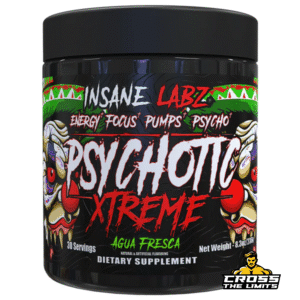
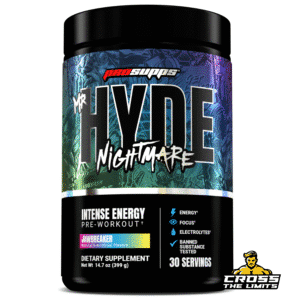
It is equally important to consider your source of caffeine. While coffee is popular, specialized formulas offer exact milligram accuracy. Athletes seeking intense focus without unnecessary additives often turn to targeted hardcore pre-workouts to ensure optimal pre-training stimulation. Always assess your personal sensitivity with a lower dose before advancing to higher intakes.
What Are the Signs of Caffeine Overuse and Overtraining?
While caffeine provides substantial performance benefits, chronic overuse can quickly lead to diminished returns and systemic fatigue. Recognizing early signs of overstimulation helps prevent central nervous system strain and training burnout.
- Elevated Resting Heart Rate: Persistent cardiovascular stimulation even during rest periods.
- Increased Anxiety and Jitters: Nervous system overactivity interfering with focus and execution.
- Sleep Architecture Disruption: Inability to achieve deep, restorative slow-wave sleep.
- Gastrointestinal Distress: Stomach irritation caused by high acute caffeine loads.
When caffeine reliance masks underlying fatigue, athletes risk entering an overtraining state where performance drops despite high effort. Monitoring your daily intake from all dietary sources ensures long-term training sustainability.
How Does Caffeine Affect Muscle Recovery and Sleep Quality?
The relationship between caffeine and athletic recovery is complex. On one hand, acute caffeine intake post-exercise alongside carbohydrates can accelerate muscle glycogen resynthesis. However, late-day caffeine consumption severely impacts sleep quality, reducing the nocturnal release of growth hormone vital for tissue repair.
To protect sleep architecture and overall endocrine health, set a strict caffeine curfew 8 to 10 hours before bedtime. To learn more about how quality rest directly drives physical adaptation, explore our detailed guide on sleep and muscle recovery for athletes.
What Are the Best Strategies for Managing Caffeine Intake in Training?
Managing stimulant intake requires a structured, periodized approach. Cycling your caffeine usage prevents tolerance build-up and keeps your central nervous system responsive to pre-workout cues.
- Periodize Intake: Save higher caffeine doses for key maximum effort days or competitions, utilizing lower amounts on light training days.
- Take Periodic Reset Breaks: Implement 7 to 14-day caffeine de-load phases to reset adenosine receptor sensitivity.
- Track Total Daily Intake: Account for coffee, energy drinks, and pre-workout supplements to avoid accidental overconsumption.
- Explore Non-Stimulant Options: On evening training days, opt for stimulant-free formulas to support muscle pumps without disrupting sleep.
How Should Youth Athletes Approach Caffeine Consumption?
While caffeine offers documented benefits for adult athletes, its use in youth populations requires extra caution. Youth athletes possess different metabolic rates and body compositions, making them significantly more susceptible to overstimulation, anxiety, and heart rate spikes.
Coaches and parents should prioritize foundational performance factors—such as structured nutrition, hydration, and sleep hygiene—over stimulant reliance for young athletes. If caffeine is considered, it should be done under the guidance of a healthcare professional or sports dietitian.
To optimize your broader workout strategy and learn how to fuel your sessions for maximum muscle gain, check out our guide on top pre-workout supplements for bodybuilders to find the best formula for your physique goals.
FAQ
How much caffeine should I take before a workout?
Does caffeine improve strength and power output?
Can caffeine cause athletic burnout or fatigue?
How long before bed should I stop taking caffeine?