
Exploring the Controversy Surrounding DMAA in Sports Supplements

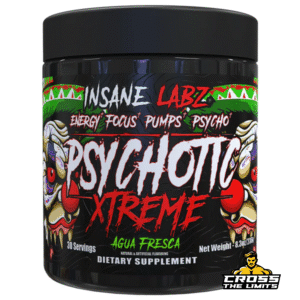
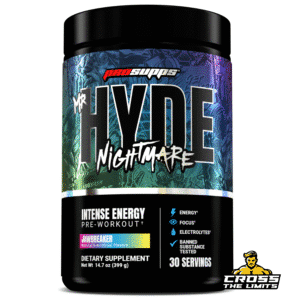
DMAA, also known as 1,3-dimethylamylamine, is a synthetic compound that has gained popularity in the sports supplement industry for its purported performance-enhancing effects. It is often marketed as a pre-workout or fat-burning supplement, claiming to increase energy, focus, and endurance. DMAA is a stimulant that is structurally similar to amphetamine, and it works by increasing the release of neurotransmitters such as dopamine and norepinephrine in the brain. This leads to a feeling of increased energy and alertness, making it an attractive ingredient for athletes and fitness enthusiasts looking to improve their workout performance.
The Rise in Popularity of DMAA
In recent years, DMAA has seen a surge in popularity among athletes and bodybuilders seeking an edge in their training. Its stimulant effects make it appealing for those looking to push their limits and achieve peak performance. Many sports supplement companies have capitalized on this demand by including DMAA in their products, marketing it as a powerful ingredient that can provide a significant boost in energy and focus. As a result, DMAA has become a common ingredient in pre-workout supplements and fat burners, with many consumers swearing by its effectiveness in improving their workouts and helping them achieve their fitness goals.
The Controversy Surrounding DMAA
Despite its popularity, DMAA has been the subject of controversy and scrutiny within the sports supplement industry. The safety and legality of DMAA have been called into question, leading to widespread debate and concern among consumers, health professionals, and regulatory agencies. One of the main issues surrounding DMAA is its classification as a dietary ingredient, as it does not naturally occur in foods and has not been approved for use in dietary supplements by the Food and Drug Administration (FDA). Additionally, there have been reports of adverse events and serious health risks associated with DMAA use, leading to increased scrutiny and calls for stricter regulation.
The Potential Health Risks of DMAA
The potential health risks associated with DMAA have raised significant concerns among health professionals and regulatory agencies. Some studies have linked DMAA to adverse cardiovascular events such as heart attacks, strokes, and high blood pressure, particularly when used in combination with other stimulants or during intense physical activity. There have also been reports of liver damage, seizures, and psychiatric disorders associated with DMAA use. These risks have led to calls for increased regulation and warnings about the potential dangers of using products containing DMAAs a result, many health experts advise against using supplements containing DMAA due to the potential health risks involved.
Regulatory Actions and Bans on DMAA
In response to the growing concerns about the safety of DMAA, regulatory agencies around the world have taken action to restrict or ban its use in dietary supplements. In 2012, the FDA issued warning letters to several companies selling products containing DMAA, citing safety concerns and lack of evidence to support its use as a dietary ingredient. This led to the removal of many DMAA-containing products from the market and increased scrutiny of its safety and legality. In addition, several countries, including Canada and New Zealand, have banned the sale of products containing DMAA due to concerns about its potential health risks. These regulatory actions have significantly limited the availability of DMAA in sports supplements and raised awareness about its potential dangers.
Alternative Ingredients in Sports Supplements
In light of the controversy surrounding DMAA, many sports supplement companies have turned to alternative ingredients to provide similar performance-enhancing effects without the associated health risks. Ingredients such as caffeine, beta-alanine, creatine, and citrulline have become popular choices for pre-workout supplements due to their proven effectiveness in improving energy, endurance, and muscle performance. These ingredients have been extensively studied and are generally considered safe for use in dietary supplements, making them attractive alternatives to DMAAdditionally, natural ingredients such as beetroot extract, green tea extract, and ashwagandha have gained popularity for their ability to enhance athletic performance without the potential risks associated with synthetic stimulants like DMAA.
Conclusion and Future of DMAA in Sports Supplements
The controversy surrounding DMAA has raised important questions about the safety and regulation of ingredients used in sports supplements. While some consumers may still seek out products containing DMAA for its purported performance-enhancing effects, the potential health risks associated with its use cannot be ignored. Regulatory actions and bans on DMAA have significantly limited its availability in the market, leading to increased awareness about its potential dangers. As a result, many sports supplement companies have turned to alternative ingredients that are considered safer and more effective for improving athletic performance. Moving forward, it is crucial for consumers to be informed about the potential risks of using products containing DMAA and to seek out safer alternatives that can help them achieve their fitness goals without compromising their health. Ultimately, the future of DMAA in sports supplements remains uncertain as regulatory agencies continue to monitor its safety and legality in dietary supplements.