


How to Build a Winning Fitness Plan with Cross The Limits in 2026

Crossthelimits.co.uk helps you plan training, pick supplements, and track progress. Build strength faster, avoid plateaus with smart tools. Start a 30-day plan.
- 1. What is crossthelimits.co.uk and how does it help you train?
- 2. How to audit your current fitness level with crossthelimits.co.uk?
- 3. How to choose the right supplements and gear step by step
- 4. How to plan progressive training cycles using site tools?
- 5. When to adjust nutrition and recovery for faster gains?
- 6. Best ways to track performance and prevent plateaus in 2026
- 7. Common mistakes to avoid with online fitness shopping and plans
- 8. FAQ / frequently asked questions
- a. What supplements should beginners start with?
- b. How do I stack products without overdosing caffeine?
- c. When will I notice results from creatine and protein?
- d. Does crossthelimits.co.uk ship quickly and offer bundles?
- 9. Summary: your next 30-day action plan
Crossthelimits.co.uk is a dedicated shop and knowledge base for athletes who want more. Here you find validated supplements, practical training aids, and clear guidance aligned to your aims. This guide explains how to use the site to assess your starting point, build a plan, and monitor progress. You will get actionable steps that cut guesswork and speed adaptation. Expect direct advice on sports nutrition, gym gear, recovery tips, and progress tracking.
What is Cross The Limits, and how does it help you train?
It’s a curated sports nutrition and performance store paired with pragmatic advice. You get vetted supplements, strength-training accessories, and transparent product information that aligns with training phases. The platform simplifies decisions so you buy only what you’ll use and can monitor outcomes. That leads to fewer stalls, improved recovery, and steadier personal records.
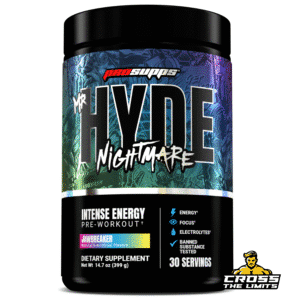
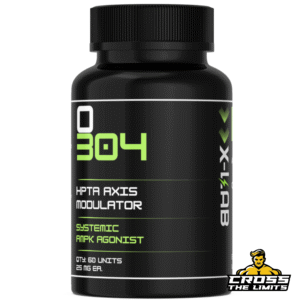
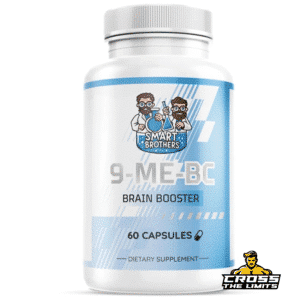
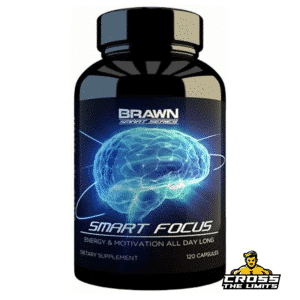
The shop prioritises essentials that actually move the needle. Think creatine monohydrate, whey protein, electrolytes, omega‑3s, and evidence‑based pre‑workouts. It pairs those with tools that sharpen execution, like lifting belts, grips, bands, and mobility aids. Each product page details ingredients, dosages, labelling, timing windows, and serving math. That reduces research time and helps you align purchases with your training block.
You’ll also find training insight woven into categories and blog posts. Topics cover strength training, endurance fueling, hydration, and recovery tips. Expect clear breakdowns on macro timing, RPE, deloads, and sleep strategy. Combined with straightforward shipping and bundle options, this results in a usable system: you get what you need, when you need it, with less friction.

How to audit your current fitness level with crossthelimits.co.uk?
Begin with a snapshot: bodyweight, waist, key strength numbers, conditioning tests, sleep quality, and nutrition. Use simple, repeatable metrics weekly. Then match gaps to targeted supplements and gym gear on crossthelimits.co.uk. The goal is to remove bottlenecks quickly, boost adherence, and set a clear baseline for tracking gains.
Run the audit in three passes. First, performance: a five‑rep max for squat, bench, and deadlift, or a 2 km row time. Second, recovery: nightly sleep, morning energy, soreness, and resting heart rate. Third, nutrition: grams of protein per kilogram, hydration, and fibre. Log everything in one sheet and keep tests consistent across weeks for clean trends.
Convert results into actions. Low protein? Pick a 20–25 g per serving whey or vegan blend. Cramps or heat issues? Add an electrolyte mix with sodium, magnesium, and potassium. Grip failing before the back gives out? Try straps or liquid chalk. – Performance gaps → technique fixes and method tools; – Recovery gaps → sleep focus, creatine, omega‑3, magnesium; – Nutrition gaps → protein powder, targeted carbs, and hydration strategy.
How to choose the right supplements and gear step by step
Choose by goal, not by hype. Lock in staples first, then layer goal‑specific aids. Sequence choices by need: protein, creatine, electrolytes, then a pre‑workout if it fits. Match gear to sticking points, like straps for pulling or a belt for bracing. This approach delivers most results for a fraction of the cost.
Staples carry the most benefit. Protein helps you reach daily targets. Creatine monohydrate supports repeated high‑intensity efforts and muscle gain. Electrolytes protect performance in heat and long sessions. Omega‑3s can ease joint discomfort. A simple pre‑workout with caffeine and citrulline may improve focus and pump. Always check labels for clinically effective doses, not just ingredient lists.
Use a quick filter before checkout. – Will I use these four days per week for eight weeks? – Does the label show exact amounts per scoop? – Do ingredients match my current training block? – Does it address a limit from my audit? For gear, start with a belt that fits your torso, reliable lifting straps, and a durable roller. Add bands for warm‑ups and a timer for intervals. Keep it useful and built to last.
How to plan progressive training cycles using site tools?
Build blocks that increase volume or intensity, not both at once. Use four to six‑week mesocycles with a deload. Tie supplements and nutrition into the block. Track loads, reps, and RPE. Small weekly increases beat big, risky jumps. This structure lowers the risk of injury and produces reliable gains.
Pick a focus. Strength cycles? Base them on 3–6 reps, 3–5 sets, with longer rests. Hypertrophy? Aim for 6–12 reps, 3–5 sets, and shorter rests. Endurance? Combine zone 2 base work with regular intervals. Progress weekly by 2.5–5% load or adding a rep per set. Program a deload in week five with a 30–40% drop in volume and lighter accessory work.
Align nutrition and products to the block. In a strength phase, keep creatine daily and use pre‑workout for key sessions. In high‑volume hypertrophy, focus on protein timing and intra‑workout carbs when sessions exceed 75 minutes. For endurance days, rely on electrolytes and quick carbs for long efforts. Crossthelimits.co.uk product pages help match serving sizes to session demands and weekly frequency.
When to adjust nutrition and recovery for faster gains?
Change things when the markers trend downward for 7 to 10 days. Watch for stalled loads, rising soreness, poor sleep, and waning motivation. Increase protein, refine carb timing, and tighten hydration. Add a deload if needed. Recovery fixes are cheaper than lost weeks — small nutrition adjustments protect consistency and cut through plateaus.
Use three levers. – Protein: aim for 0.4–0.55 g per kilogram per meal across three to five meals. – Carbs: Place half your daily carbs around training when volume is high. – Hydration: target pale urine most of the day and replace sweat losses. Recovery habits matter too. Aim for seven to nine hours of sleep, a wind‑down routine, and two low‑stress walks daily.
Supplement timing helps when stress spikes. Whey after lifting speeds amino delivery. Electrolytes before and during long sessions sustain output. Magnesium glycinate at night can support sleep quality. Omega‑3s assist joint comfort across tough blocks. If stress stays high, cut weekly volume by 10–20% for a week, then rebuild.
Best ways to track performance and prevent plateaus in 2026
Combine subjective and objective data you can keep up. Log sets, reps, load, and RPE. Add sleep hours, soreness, and session quality. Review weekly trends, not day‑to‑day noise. Use simple charts to spot flatlines. Schedule deloads and rotations before fatigue forces them. Prevention beats cure.
Pick a tracking cadence and stick with it. Use one app or a spreadsheet with fields for exercise, load, reps, RPE, total sets, and notes. Add a weekly check‑in: bodyweight, waist, two photos, and a brief reflection. For endurance, track pace, heart‑rate zones, and perceived effort. Color‑code sessions green, yellow, or red for fast scans.
If a lift stalls for three weeks, rotate variations or rep ranges. Move from back squats to front squats, or switch 5s to 8s. Insert a planned deload before fatigue forces you to stop. For conditioning, vary intervals and terrain. Often a 5% load tweak or one back‑off set clears the logjam.
Common mistakes to avoid with online fitness shopping and plans
The biggest mistake is buying for the buzz rather than the need. Shiny stacks won’t fix weak fundamentals. Another error is ignoring labels and doses — aim for clinical amounts, not proprietary vagueness. A third trap is plan hopping. Commit to a cycle long enough to adapt; consistency magnifies any tool.
Avoid risky stacks. – Excess stimulants across multiple products; – Overlapping pump ingredients with unclear doses; – Exotic blends that distract from protein and creatine; – Massive tubs you won’t finish. For gear, prioritise fit over novelty. A belt that supports a solid brace beats flashy branding. Durable straps and grips protect skin and reduce failed reps.
Budget wisely. Set a monthly cap and spend by impact. Protein powder fills macro gaps, creatine boosts strength, and electrolytes preserve output in heat. That trio outperforms random extras. Use bundles on crossthelimits.co.uk when they match your plan. Finally, respect rec
FAQ / Frequently Asked Questions
What supplements should beginners start with?
Most beginners do best with a simple foundation: protein powder to help meet daily protein goals and creatine monohydrate to support strength and performance. Electrolytes can be useful during intense training or hot weather. Focus on consistent nutrition, training, and sleep before adding more advanced products.
How do I stack supplements without taking too much caffeine?
Check every product label and calculate your total caffeine intake from pre-workouts, energy drinks, coffee, and fat burners. Many active adults aim to stay below 3–5 mg of caffeine per kilogram of body weight per day. For evening workouts, consider stimulant-free pump formulas instead of additional caffeine.
When will I notice results from creatine and protein?
Protein supports muscle recovery and helps you reach your daily nutrition targets immediately. Creatine typically requires consistent daily use, with many users noticing performance benefits within two to four weeks. Visible physique improvements depend on training quality, diet, recovery, and consistency over several months.
Are pre-workouts necessary for muscle growth?
No. Muscle growth comes primarily from progressive training, adequate protein intake, recovery, and calorie balance. Pre-workouts may help with energy, focus, and workout intensity, but they are not essential for building muscle.
What is the best time to take creatine?
The most important factor is taking it consistently every day. Many people use creatine before or after training, but research suggests total daily intake matters more than exact timing.
Should I use a fat burner while trying to lose weight?
Fat burners may support energy and appetite management for some users, but they cannot replace a calorie-controlled diet and regular exercise. Sustainable fat loss comes from maintaining a consistent calorie deficit and active lifestyle.
Can I combine creatine with a pre-workout?
Yes. Creatine is commonly used alongside pre-workout supplements. Many athletes take creatine daily and use pre-workouts before training sessions when extra energy or focus is needed.
How much protein do active adults need?
Many strength and physique athletes aim for approximately 1.6–2.2 grams of protein per kilogram of body weight daily. Individual needs vary depending on training volume, goals, body composition, and overall calorie intake.
Does Cross The Limits offer fast shipping and bundle deals?
Cross The Limits offers multiple shipping options and regularly features bundle deals, multi-buy offers, and exclusive products from popular US and European brands. UK customers receive free shipping on orders over £89, while EU customers qualify for free shipping on orders over £150. Stock availability and delivery estimates are displayed on product pages.
How do I choose the right supplements for my goals?
Start by identifying your primary goal—muscle gain, strength, fat loss, endurance, recovery, focus, or general health. Build around proven basics first, then add specialist products that complement your training phase. A simple, targeted stack is usually more effective than using many products at once.
The site lists clear shipping choices and often has value bundles. C
Summary: Your Next 30-Day Action Plan
Success with supplements comes from consistency, not complexity. Start with a one-week audit, then follow a focused three-week block built around training, nutrition, recovery, and progress tracking. Use proven staples, keep routines simple, and make small adjustments based on real results rather than daily fluctuations.
Week 1: Build Your Baseline
Take progress photos, record body weight, track your workouts, and keep a detailed food log. Identify any nutritional gaps before buying new supplements. Focus on essentials such as protein powder, creatine, electrolytes, and recovery support products that align with your goals.
Weeks 2–4: Execute the Plan
Follow a structured training block, log every session, and maintain consistent nutrition. Prioritise protein intake, time meals around training where practical, and stay hydrated. Avoid changing too many variables at once so you can accurately assess what is working.
Every Sunday: Review and Adjust
Review your body weight trends, workout performance, sleep quality, recovery, and overall energy levels. Look for patterns across the week rather than reacting to individual days. Make small adjustments to calories, training volume, or recovery strategies when needed.
What Should I Do If Progress Stalls?
If performance, recovery, or body composition stops improving, avoid making drastic changes. First consider adjusting exercise selection, training intensity, calorie intake, sleep habits, or scheduling a lighter recovery week before adding more supplements.
How Do I Prepare for the Next Training Block?
At the end of 30 days, compare your results with your starting measurements, photos, and training logs. Keep successful habits, remove what didn’t help, and build the next phase around the areas with the greatest potential for improvement.
30-Day Checklist
- Week 1: Record baseline measurements, progress photos, training performance, and nutrition habits.
- Weeks 2–4: Follow a structured plan, track workouts, prioritise protein intake, and stay consistent.
- Every Sunday: Review recovery, sleep, performance, and body composition trends.
- Day 30: Reassess results, identify strengths and weaknesses, and prepare the next training block.
Long-term progress is built through quality weeks repeated consistently. Focus on the fundamentals first, refine the details over time, and allow your results to compound month after month.
Keep staples in stock and routines predictable. That’s how athletes string together quality weeks. If a marker stalls, change the variation or schedule a lighter day. Re‑audit at day 30 and plan the next block. Push limits by nailing basics, then adding precision. Your momentum compounds from there.