











Pre-Workout Hacks: 5 Tips to Boost Your Performance and Energy

Pre-workout nutrition is a crucial aspect of any fitness routine, as it provides the necessary fuel for the body to perform at its best during exercise. A well-balanced pre-workout meal or snack can help to increase energy levels, improve endurance, and enhance overall performance. Without proper nutrition before a workout, the body may struggle to maintain intensity and stamina, leading to decreased motivation and subpar results. Additionally, consuming the right nutrients before a workout can help to prevent muscle fatigue and reduce the risk of injury. It is important to note that the timing of pre-workout nutrition is also key, as consuming a meal too close to exercise can lead to discomfort and digestive issues. Overall, prioritizing pre-workout nutrition is essential for maximizing the benefits of physical activity and achieving fitness goals.
In addition to providing the necessary energy for physical activity, pre-workout nutrition also plays a significant role in muscle recovery and growth. Consuming a combination of carbohydrates and protein before a workout can help to replenish glycogen stores and provide the building blocks for muscle repair and growth. This is especially important for individuals engaging in resistance training or high-intensity workouts, as the body requires adequate nutrients to support muscle recovery and adaptation. Furthermore, pre-workout nutrition can help to minimize muscle breakdown during exercise, leading to improved muscle retention and overall strength gains. By prioritizing proper pre-workout nutrition, individuals can optimize their workout performance and enhance their body composition over time.
Effective Pre-Workout Supplements
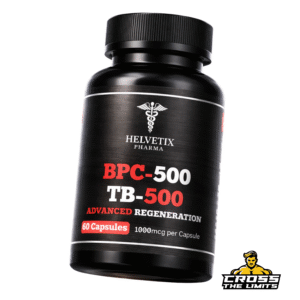
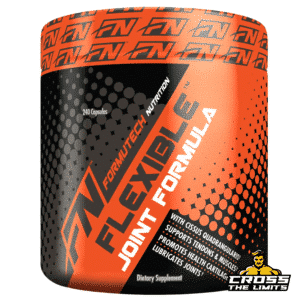
In addition to whole foods, pre-workout supplements can be a convenient and effective way to enhance workout performance and support muscle recovery. There are a variety of pre-workout supplements available on the market, each with its own unique blend of ingredients designed to improve energy levels, focus, and endurance. Common ingredients found in pre-workout supplements include caffeine, beta-alanine, creatine, and branched-chain amino acids (BCAAs). Caffeine is a well-known stimulant that can help to increase alertness and reduce perceived exertion during exercise, while beta-alanine has been shown to improve muscular endurance by buffering lactic acid buildup. Creatine is another popular supplement that can enhance strength and power output, making it a valuable addition to resistance training routines. Additionally, BCAAs are essential amino acids that can support muscle protein synthesis and reduce muscle soreness following intense workouts.
When choosing a pre-workout supplement, it is important to consider individual goals, tolerance to stimulants, and any potential sensitivities or allergies. It is also recommended to carefully read product labels and research the specific ingredients included in a supplement to ensure safety and effectiveness. While pre-workout supplements can be beneficial for enhancing workout performance, they should not replace a well-balanced diet and should be used in conjunction with proper nutrition for optimal results.
Dynamic Warm-Up Routine
A dynamic warm-up routine is an essential component of any workout regimen, as it helps to prepare the body for physical activity and reduce the risk of injury. Unlike static stretching, which involves holding a stretch position for an extended period of time, dynamic warm-ups involve active movements that mimic the actions performed during exercise. This can include exercises such as leg swings, arm circles, high knees, and lunges, which help to increase blood flow, improve flexibility, and activate the muscles used during a workout. By incorporating dynamic warm-ups into a pre-workout routine, individuals can improve their range of motion, enhance muscular performance, and promote overall joint health.
In addition to physical benefits, dynamic warm-ups also provide an opportunity to mentally prepare for exercise and focus on the upcoming workout. By engaging in dynamic movements that require coordination and concentration, individuals can shift their attention away from external stressors and distractions, allowing them to enter a state of mindfulness and readiness for physical activity. This mental preparation can help to improve focus, motivation, and overall workout performance. Overall, incorporating a dynamic warm-up routine into a pre-workout regimen is essential for optimizing physical readiness and reducing the risk of injury during exercise.
Hydration and Electrolyte Balance
Proper hydration and electrolyte balance are critical components of pre-workout preparation, as they play a significant role in maintaining energy levels, regulating body temperature, and supporting overall performance. Dehydration can lead to decreased exercise capacity, impaired cognitive function, and increased perceived exertion during physical activity. Therefore, it is important to prioritize hydration before a workout by consuming adequate fluids throughout the day and especially in the hours leading up to exercise. The American College of Sports Medicine recommends drinking 16-20 ounces of water 4 hours before exercise and an additional 8-12 ounces 10-15 minutes before exercise to ensure proper hydration.
In addition to water, electrolytes such as sodium, potassium, and magnesium are essential for maintaining fluid balance and supporting muscle function during exercise. Electrolytes are lost through sweat during physical activity, so it is important to replenish these minerals before a workout to prevent dehydration and maintain optimal performance. Consuming electrolyte-rich foods such as bananas, nuts, and leafy greens can help to support electrolyte balance before exercise. Additionally, some individuals may benefit from consuming sports drinks or electrolyte supplements to ensure adequate hydration and mineral replenishment before a workout. By prioritizing hydration and electrolyte balance as part of pre-workout preparation, individuals can optimize their physical performance and reduce the risk of dehydration-related complications during exercise.
Mindfulness and Mental Preparation
In addition to physical readiness, mental preparation is an important aspect of pre-workout preparation that can significantly impact workout performance and overall motivation. Engaging in mindfulness practices before a workout can help individuals focus on the present moment, reduce stress and anxiety, and enhance overall mental clarity. This can be achieved through techniques such as deep breathing exercises, meditation, or visualization of the upcoming workout. By incorporating mindfulness practices into a pre-workout routine, individuals can improve their ability to concentrate on the task at hand and enter a state of flow during exercise.
Furthermore, mental preparation before a workout can help individuals set specific intentions or goals for their training session, which can increase motivation and drive during physical activity. By visualizing successful completion of a workout or focusing on specific performance targets, individuals can enhance their confidence and belief in their ability to achieve their fitness goals. This mental preparation can also help individuals overcome mental barriers or self-doubt that may arise during exercise, leading to improved resilience and mental toughness. Overall, prioritizing mindfulness and mental preparation as part of pre-workout readiness is essential for optimizing focus, motivation, and overall workout performance.
Proper Rest and Recovery
While pre-workout preparation often focuses on physical and mental readiness for exercise, it is equally important to prioritize proper rest and recovery as part of an effective fitness regimen. Adequate rest is essential for allowing the body to repair and adapt to the stress of exercise, leading to improved performance and reduced risk of injury over time. Therefore, it is important for individuals to prioritize quality sleep as part of their pre-workout routine in order to ensure optimal physical readiness for exercise.
In addition to sleep, active recovery techniques such as foam rolling, stretching, or gentle yoga can help to promote muscle relaxation and reduce post-exercise soreness before a workout. These activities can also help individuals mentally prepare for physical activity by promoting relaxation and reducing stress levels. By incorporating proper rest and recovery strategies into a pre-workout routine, individuals can optimize their physical readiness for exercise while also supporting long-term health and fitness goals.
Consistency and Long-Term Results
Finally, one of the most important aspects of pre-workout preparation is consistency in implementing these strategies over time in order to achieve long-term results. While individual workouts may vary in intensity or duration, maintaining consistent pre-workout habits such as proper nutrition, hydration, dynamic warm-ups, mental preparation, and rest will ultimately lead to improved fitness outcomes over time. Consistency in pre-workout preparation also helps individuals develop healthy habits that support overall well-being and long-term adherence to an active lifestyle.
Furthermore, by prioritizing consistency in pre-workout preparation, individuals can better track their progress over time and make adjustments as needed to optimize their fitness routine. This may include modifying pre-workout nutrition based on individual energy needs or adjusting mental preparation techniques based on specific workout goals. By consistently prioritizing pre-workout readiness as part of an overall fitness regimen, individuals can maximize their potential for long-term success in achieving their fitness goals.
In conclusion, pre-workout preparation plays a crucial role in optimizing physical readiness for exercise while supporting long-term health and fitness goals. By prioritizing proper nutrition, effective supplements, dynamic warm-up routines, hydration and electrolyte balance, mindfulness practices, rest and recovery strategies, and consistency over time, individuals can enhance their overall workout performance while reducing the risk of injury. Ultimately, by incorporating these strategies into a comprehensive pre-workout routine on a consistent basis, individuals can achieve long-term results that support their overall health and well-being.