
Introduction: The Crucial Role of Vitamins and Minerals in Athletes’ Health

Maintaining optimal health is a universal aspiration, but the intense physical exertion required by high-level training places extraordinary demands on the human body. High-grade vitamins and minerals serve as essential micronutrients that power critical metabolic processes, ensure muscle repair, and strengthen immunity. In this comprehensive guide, we will explore the critical function of essential vitamins and minerals for athletes, how to prevent debilitating deficiencies, and how targeted supplementation optimizes physical performance.
Worth to know: Key Takeaways
- Increased Metabolic Demand: Athletic training causes elevated nutrient excretion and oxidative stress, requiring higher micronutrient intakes than sedentary lifestyles.
- Critical Muscle & Oxygen Support: B-complex vitamins drive energy conversion, vitamin D preserves bone density, and iron ensures maximum oxygen delivery to working muscles.
- Combating Free Radicals: Potent antioxidants like vitamins C and E protect cellular membranes from exercise-induced oxidative damage and reduce muscle soreness.
While a balanced diet forms the core foundation of sports nutrition, meeting the heightened physical requirements solely through food can be challenging for dedicated competitors. Utilizing strategic, high-purity supplementation ensures that athletes bridge the nutritional gap and avoid performance-limiting deficiencies.
Why Are Essential Vitamins and Minerals Crucial for Athletic Health?
Micronutrients act as the bedrock for every physiological system operating during intense exercise. Different vitamins and minerals for athletes target specific biological pathways necessary for peak physical performance:
- B-Complex Vitamins: Convert macronutrients (carbohydrates, fats, and proteins) into usable ATP energy to power skeletal muscles during workouts.
- Vitamin D & Calcium: Regulate calcium absorption, supporting bone mineralization and protecting against stress fractures during high-impact sports.
- Magnesium & Potassium: Maintain electrolyte balance, prevent muscle cramps, and facilitate smooth neuromuscular transmission.
- Iron & Hemoglobin Synthesis: Ensure efficient oxygen transportation through blood vessels to active muscle tissues, preventing athletic anemia and premature fatigue.
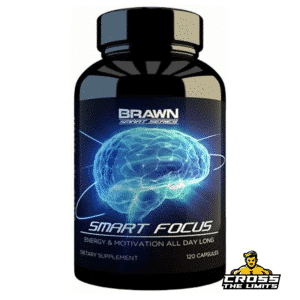
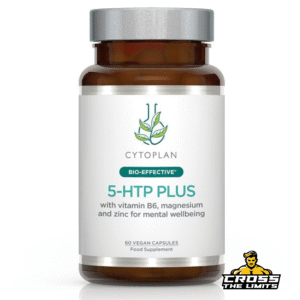
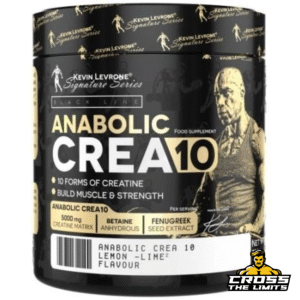
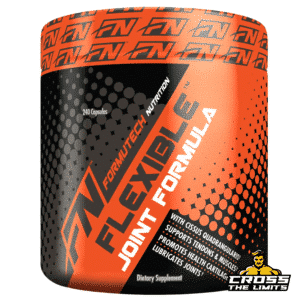
To support your body’s recovery and daily health demands, explore our complete selection to buy premium vitamins and minerals with third-party quality guarantees.
How Do Antioxidant Vitamins Protect Athletes from Exercise Stress?
Strenuous physical activity dramatically increases oxygen consumption, producing reactive oxygen species (free radicals) that cause oxidative stress. Prolonged cellular damage leads to muscle inflammation, prolonged fatigue, and delayed recovery times.
Antioxidants like vitamin C and vitamin E neutralize free radicals before they damage cell membranes and DNA. Supplementing with targeted antioxidants minimizes muscle tissue soreness and accelerates post-training recovery.
How Should Athletes Prevent Nutrient Deficiencies and Optimize Intake?
Preventing deficiencies requires a proactive, structured approach combining wholesome foods and precision dietary supplements:
- Nutrient-Dense Whole Foods: Consume a colorful variety of vegetables, fruits, lean proteins, and healthy fats to supply synergistic co-factors.
- Precision Supplementation: Utilize targeted multi-vitamin or single-ingredient formulas tailored to your specific training intensity and biological needs.
- Strategic Intake Timing: Take fat-soluble vitamins (A, D, E, K) with meals containing healthy fats to maximize intestinal absorption.
At Cross The Limits, we provide high-potency health and sports nutrition supplements designed to help you maintain resilience, achieve continuous gains, and protect your long-term wellness.
FAQ
Why do athletes need higher amounts of vitamins and minerals?
Which vitamins and minerals are most critical for athletes?
Can dietary supplements replace a balanced sports diet?