




The Science Behind Fat Burners: How They Help You Lose Weight

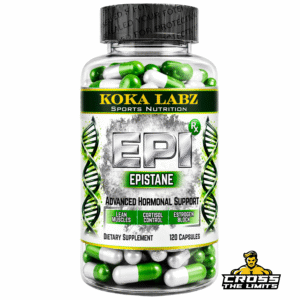
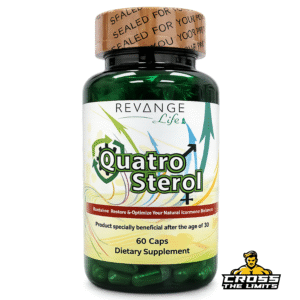
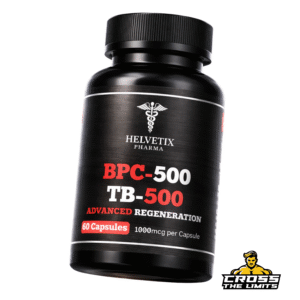
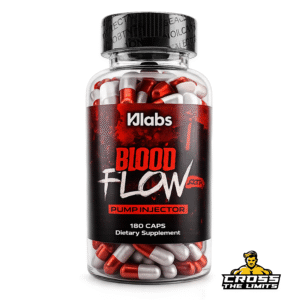
Fat burners are dietary supplements designed to help increase fat metabolism, reduce fat absorption, and aid in weight loss. These supplements typically contain a combination of ingredients such as caffeine, green tea extract, L-carnitine, and other natural substances that are believed to help boost metabolism and promote fat burning. Fat burners come in various forms including pills, powders, and liquids, and are often used in conjunction with a healthy diet and regular exercise routine to maximize their effectiveness.
Fat burners work by increasing the body’s metabolic rate, which in turn helps to burn more calories and fat. They may also help to suppress appetite, increase energy levels, and improve overall fat utilization. While fat burners can be a helpful tool in achieving weight loss goals, it’s important to use them as directed and in combination with a healthy lifestyle. It’s also important to note that fat burners are not a magic solution for weight loss and should be used in conjunction with a balanced diet and regular exercise for best results.
The Role of Thermogenesis in Fat Burning
Thermogenesis is the process by which the body produces heat and burns calories. It plays a crucial role in fat burning as it helps to increase the body’s metabolic rate and energy expenditure. When the body undergoes thermogenesis, it burns more calories, which can lead to greater fat loss over time. Fat burners often contain ingredients that help to promote thermogenesis, such as caffeine, green tea extract, and capsaicin.
Caffeine is a well-known thermogenic agent that can help to increase the body’s metabolic rate and promote fat oxidation. Green tea extract contains compounds called catechins, which have been shown to increase thermogenesis and fat burning. Capsaicin, found in chili peppers, has also been found to have thermogenic properties and can help to boost metabolism. By promoting thermogenesis, fat burners can help to enhance the body’s ability to burn fat and support weight loss efforts.
The Impact of Fat Burners on Metabolism
Metabolism refers to the chemical processes that occur within the body to maintain life. It includes the conversion of food into energy, the elimination of waste products, and the regulation of body temperature. Fat burners can have a significant impact on metabolism by increasing the body’s metabolic rate and energy expenditure. This can lead to greater calorie burning and fat loss over time.
Many fat burners contain ingredients that are known to help boost metabolism, such as caffeine, green tea extract, and L-carnitine. These ingredients can help to increase the body’s metabolic rate, which in turn can lead to greater fat burning and weight loss. By supporting metabolism, fat burners can help to enhance the body’s ability to utilize fat for energy and promote overall fat loss.
The Importance of Appetite Suppression in Weight Loss
Appetite suppression is a key factor in achieving weight loss goals. When trying to lose weight, it’s important to consume fewer calories than the body needs in order to create a calorie deficit. Fat burners can help to support weight loss efforts by helping to reduce appetite and control cravings. Many fat burners contain ingredients that are known to help suppress appetite, such as caffeine, fiber, and protein.
Caffeine is a well-known appetite suppressant that can help to reduce feelings of hunger and increase feelings of fullness. Fiber can also help to promote feelings of fullness and reduce overall calorie intake. Protein is another important nutrient for appetite control, as it can help to regulate hunger hormones and support satiety. By helping to suppress appetite, fat burners can make it easier to stick to a calorie-controlled diet and support weight loss efforts.
The Science of Fat Oxidation and Energy Expenditure
Fat oxidation refers to the process by which the body breaks down fat molecules to produce energy. It plays a crucial role in weight loss as it helps to reduce fat stores and promote overall fat loss. Fat burners can help to support fat oxidation by increasing the body’s metabolic rate and energy expenditure. This can lead to greater calorie burning and fat loss over time.
Many fat burners contain ingredients that are known to help promote fat oxidation, such as green tea extract, L-carnitine, and capsaicin. Green tea extract contains compounds called catechins, which have been shown to increase fat oxidation and promote overall fat loss. L-carnitine is an amino acid that plays a key role in transporting fatty acids into the mitochondria, where they can be oxidized for energy. Capsaicin has also been found to have fat-burning properties and can help to promote fat oxidation. By supporting fat oxidation, fat burners can help to enhance the body’s ability to utilize fat for energy and promote overall fat loss.
The Role of Fat Burners in Targeting Stubborn Fat Areas
Stubborn fat areas, such as the abdomen, hips, and thighs, can be difficult to target with diet and exercise alone. Fat burners can help to support efforts to reduce stubborn fat areas by increasing the body’s metabolic rate and promoting fat burning. Many fat burners contain ingredients that are known to help target stubborn fat areas, such as caffeine, green tea extract, and L-carnitine.
Caffeine is a well-known ingredient that can help to increase the body’s metabolic rate and promote overall fat burning. Green tea extract contains compounds called catechins, which have been shown to help reduce stubborn belly fat. L-carnitine is an amino acid that plays a key role in transporting fatty acids into the mitochondria, where they can be oxidized for energy. By targeting stubborn fat areas, fat burners can help to support efforts to reduce overall body fat and achieve a leaner physique.
Potential Side Effects and Safety Considerations of Fat Burners
While fat burners can be a helpful tool in achieving weight loss goals, it’s important to be aware of potential side effects and safety considerations. Some common side effects of fat burners may include increased heart rate, jitteriness, insomnia, and digestive issues. It’s important to use fat burners as directed and not exceed recommended dosages in order to minimize the risk of side effects.
It’s also important to consider safety considerations when using fat burners, especially if you have any underlying health conditions or are taking medications. It’s always best to consult with a healthcare professional before starting any new supplement regimen, especially if you have any concerns about potential interactions or side effects.
In conclusion, fat burners can be a helpful tool in achieving weight loss goals by supporting metabolism, promoting thermogenesis, suppressing appetite, and targeting stubborn fat areas. However, it’s important to use them as directed and in combination with a healthy diet and regular exercise routine for best results. It’s also important to be aware of potential side effects and safety considerations when using fat burners, especially if you have any underlying health conditions or are taking medications. With proper use and consideration of safety factors, fat burners can be a valuable addition to a comprehensive weight loss plan.