






Why Do I Have No Motivation? 12 Hidden Reasons You Feel Tired, Unmotivated and Stuck (2026)

Why do I have no motivation? If you suddenly feel tired, unmotivated, or unable to start even simple tasks, you are not alone. Lack of motivation is one of the most common problems people search for, yet the cause is rarely laziness. In most cases, motivation drops because your brain, body, or environment is working against you—not because you have lost your potential.
Whether you are struggling to work, study, train, or simply get through daily life, this guide explains the science behind motivation in a practical, easy-to-follow way. You will learn why your drive disappears, how dopamine, sleep, stress, nutrition, and daily habits influence motivation, and what evidence-based strategies may help you regain your energy and focus naturally.
Key Takeaways
- Lack of motivation is rarely laziness: It is usually a biological response to poor sleep, chronic stress, nutrient gaps, or digital overstimulation.
- Energy precedes motivation: Fixing sleep hygiene, daily hydration, and protein-rich nutrition restores the baseline energy required to take action.
- Dopamine regulation matters: Constant screen time and algorithmic feeds deplete dopamine reserves, making effortful tasks feel unrewarding.
- Action generates motivation: Using tiny habit strategies like the 2-minute rule lowers psychological friction and builds momentum.
- Lifestyle foundation comes first: Evidence-backed nootropics enhance focus and resilience best when paired with healthy daily routines.
Why Do I Have No Motivation?
Lack of motivation is rarely caused by laziness. More often, it is your brain responding to poor sleep, chronic stress, inadequate nutrition, mental fatigue, or an overstimulating environment. When your body lacks energy or your brain struggles to regulate key neurotransmitters such as dopamine and acetylcholine, even simple tasks can feel overwhelming.
Motivation is not something you either have or do not have—it is the result of several biological and psychological systems working together. Sleep quality, stress hormones, nutrition, movement, dopamine signalling, brain health, and daily habits all influence whether taking action feels easy or exhausting. When one or more of these systems begin to fail, the motivation cycle breaks down.
This is why relying on willpower alone rarely works. Many people search for a single solution, but lasting improvements usually come from addressing the underlying causes first. Lifestyle changes should always be the foundation, while well-designed nootropic formulas that combine ingredients supporting focus, mental energy, stress resilience, and cognitive performance may provide valuable additional support.
Common Hidden Causes of Low Motivation
- Poor sleep and disrupted circadian rhythm
- Chronic stress and elevated cortisol
- Brain fog and mental fatigue
- Low dopamine signalling
- Poor nutrition or dehydration
- Burnout and emotional exhaustion
- Lack of physical activity and sedentary lifestyle
- Constant digital overstimulation
- Unclear goals and decision fatigue
- Perfectionism and fear of failure
- Social isolation and lack of accountability
- Medical conditions or medication side effects
| Hidden Cause | Typical Signs | First Step to Improve |
|---|---|---|
| Poor sleep | Waking up exhausted | Improve sleep schedule and screen hygiene |
| Chronic stress | Constant feeling of overwhelm | Reduce stressors and prioritise daily recovery |
| Brain fog | Poor concentration and mental slowness | Optimise sleep, hydration, and nutrition |
| Low dopamine signalling | No drive to start simple tasks | Exercise, protein intake, and digital detox |
| Burnout | Emotional and physical exhaustion | Reduce workload and schedule real rest |
| Poor nutrition | Afternoon energy crashes | Eat regular, protein-rich, balanced meals |
| Dehydration | Low energy, brain fog, and headaches | Increase daily fluid and electrolyte intake |
| Digital overstimulation | Constant scrolling and restlessness | Reduce screen time and turn off notifications |
| Sedentary lifestyle | Lethargy and low physical energy | Daily walking or resistance training |
| Unclear goals | Procrastination and hesitation | Break tasks into tiny, actionable steps |
| Social isolation | Reduced accountability and flat mood | Share goals and progress with others |
| Medical conditions | Persistent, unexplainable fatigue | Seek a medical evaluation if symptoms persist |
How to Find Your Motivation Blockers Step by Step?
Most people try to fix motivation by buying another stimulant, drinking more coffee, or waiting until they “feel ready.” According to discussions across productivity and neuroscience communities, this almost never works. The same patterns recur: poor sleep, constant phone use, decision fatigue, chronic stress, and unclear goals.
Before trying to increase motivation, identify what is actually draining it. Different problems require different solutions. Someone with sleep debt will not benefit from productivity hacks, while someone overwhelmed by digital distractions does not need more caffeine.
Step 1 — Audit Your Energy for Seven Days
For one week, track the following metrics:
- Hours slept and sleep schedule consistency
- Sleep quality (rated 1–10)
- Daily protein intake
- Water and hydration levels
- Caffeine consumption and timing
- Daily screen time (especially mobile phone use)
- Physical exercise and step count
- Daily motivation levels (rated 1–10)
People are often surprised to discover that their lowest-motivation days almost always follow poor sleep, skipped meals, or excessive evening screen time.
Step 2 — Find Your Biggest Energy Leak
Ask yourself one simple question: “What leaves me mentally exhausted every day?”
Common answers include constant smartphone notifications, social media scrolling, toxic work environments, financial stress, inconsistent sleep, or decision overload. Behavioral psychology shows that removing one major source of friction produces a bigger improvement than adding another productivity technique.
Step 3 — Stop Looking for Motivation
Stop waiting to feel motivated—motivation usually appears after starting, not before. Research on behavioural activation shows that beginning with just 2–5 minutes of action is often enough for the brain to overcome initial resistance.
Step 4 — Make Every Task Impossible to Fail
Scale goals down to the first physical action:
- Instead of: Go to the gym for two hours. → Put on your trainers and gym clothes.
- Instead of: Write the annual report. → Open the document and write the title.
Step 5 — Protect Your Dopamine
Constant switching between high-stimulation digital platforms keeps the brain chasing instant rewards. As a result, slower, higher-effort activities feel unusually difficult. Reducing unnecessary screen time for seven days dramatically restores attention and natural drive.
Step 6 — Build Systems Instead of Chasing Willpower
Highly productive people build systems that reduce decision fatigue: fixed routines, scheduled workouts, meal preparation, and environment design that removes distractions.
| What You Notice | Most Likely Cause |
|---|---|
| You feel dramatically better after one good night’s sleep | Sleep debt |
| Coffee barely helps anymore and just makes you jittery | Chronic fatigue or poor recovery |
| You only feel motivated while scrolling on your phone | Dopamine overstimulation |
| You genuinely want to do things, but physically can’t start | Task is too large or undefined |
| You feel mentally slow and sluggish all day | Brain fog, dehydration, or poor nutrition |
| Your motivation completely disappears after lunch | Blood sugar fluctuations or heavy refined carbs |
| Weekends feel completely different from weekdays | Work-related burnout or chronic stress |
| Exercise improves your mood and drive almost immediately | Sedentary lifestyle / low daily movement |
| Everything feels complicated and overwhelming | Decision fatigue or cognitive overload |
| Nothing seems enjoyable or rewarding anymore | Consult a healthcare professional to rule out medical causes |
How to Fix Energy Deficits with Sleep, Food, and Movement?
Energy comes before motivation. If your brain is sleep-deprived, under-fuelled, or stressed, it naturally conserves energy by making difficult tasks feel unrewarding.
Sleep: The Fastest Way to Restore Motivation
Even one night of disrupted sleep impairs attention, decision-making, and emotional regulation. Simple habits include maintaining a consistent sleep schedule, getting outdoor sunlight within an hour of waking, cutting caffeine 8–10 hours before bed, and keeping your bedroom cool and dark. To explore natural sleep optimization, check out our range of sleep support supplements.
Nutrition: Fueling Brain Performance
The brain consumes around 20% of your daily energy. Include 20–40 g of high-quality protein per meal to supply L-tyrosine (dopamine precursor), choose complex carbohydrates, and maintain proper hydration to avoid afternoon crashes.
Movement: Creating Energy Through Action
Exercise enhances cerebral blood flow, regulates cortisol, and stimulates focus-related neurotransmitters. Start with brisk walks, light stretching, or resistance training to generate immediate mental drive.
| Habit | Why It Helps |
|---|---|
| 7–9 hours of sleep | Supports physical recovery, memory consolidation, and brain restoration |
| Morning sunlight exposure | Reinforces a healthy circadian rhythm and boosts morning alertness |
| High-protein breakfast | Provides essential amino acids and prevents mid-morning energy crashes |
| Consistent hydration | Supports optimal cognitive performance, alertness, and circulation |
| Daily brisk walking | Improves oxygen delivery to the brain and elevates mood naturally |
| Resistance training | Supports long-term metabolic health, hormonal balance, and resilience |
| Limiting afternoon caffeine | Prevents sleep architecture disruption and deep sleep deprivation |
| Reducing evening screen time | Supports natural melatonin production and makes falling asleep easier |
| Regular meal timing | Stabilises blood glucose and prevents cognitive fatigue |
| Consistent daily routines | Reduces decision fatigue and automates productive behaviours |
How to Build Motivation with Tiny Habits and Friction Hacks?
Productive individuals rely on better systems rather than raw willpower. Reducing environment friction makes productive choices effortless and unproductive habits difficult.
- Start Micro-Small: Aim solely to start for two minutes rather than completing massive projects.
- Make Good Habits Obvious: Lay out gym clothes or keep a water bottle visible on your desk.
- Make Bad Habits Harder: Store your phone in another room or use website blockers during work blocks.
- The Five-Minute Rule: Bargain to work for just five minutes—momentum usually carries you forward.
| Friction Hack | Why It Works |
|---|---|
| Leave gym clothes out | Removes decision fatigue immediately upon waking |
| Charge phone outside bedroom | Prevents late-night scrolling and morning distraction loops |
| Write tomorrow’s list tonight | Eliminates morning hesitation and provides instant clarity |
| Keep water on your desk | Makes hydration automatic and effortless throughout the day |
| Use automated site blockers | Removes the need for willpower against digital distractions |
| Schedule workouts like meetings | Increases commitment and treats training as non-negotiable |
| Put healthy snacks at eye level | Encourages better nutritional choices without overthinking |
| Start with a 5-minute timer | Lowers psychological resistance to difficult tasks |
| Body doubling (working near others) | Increases social accountability and focus |
| Celebrate small daily wins | Reinforces positive dopamine loops and habit formation |
How to Set Clear Goals That Maintain Momentum?
Vague goals cause brain freeze and procrastination. Transform abstract outcome goals (e.g., “lose weight”) into specific process goals (e.g., “walk 30 minutes every morning”).
| Goal Level | Purpose | Example |
|---|---|---|
| 1. Purpose (The Why) | Long-term meaning and drive | “Thrive in my career and enjoy active weekends with my family.” |
| 2. Outcome (The What) | Sets the direction and target | “Improve body composition and work focus over 90 days.” |
| 3. Process (The How) | Daily actionable steps | “Sleep 8 hours, train 4 times a week, and work in 45-min blocks.” |
Do Nootropics Help with Motivation and Focus?
When lifestyle foundations are solid, evidence-backed supplements support cognitive energy, stress resilience, and neurotransmitter balance. Key ingredients include adaptogens like Rhodiola Rosea, choline donors like Alpha GPC, and L-Theanine for calm focus.
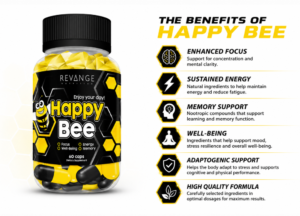
Advanced multi-pathway formulas like Happy Bee combine cholinergic precursors, adaptogens, and clean energy enhancers into a synergistic blend designed to optimize focus, clarity, and drive simultaneously.
| Ingredient | Primary Role in Cognitive Performance |
|---|---|
| Rhodiola Rosea | Adaptogenic support against stress, burnout, and mental fatigue |
| Bacopa Monnieri | Supports memory consolidation and long-term cognitive function |
| Alpha GPC | Bioavailable choline donor for acetylcholine production and focus |
| L-Theanine | Promotes relaxed alertness and smooths out caffeine stimulation |
| Mucuna Pruriens | Natural source of L-DOPA to support healthy dopamine signalling |
| Huperzine A | Inhibits acetylcholine breakdown, maintaining higher neurotransmitter levels |
| Complete Formulas (Happy Bee) | Multi-pathway supplementation targeting focus, energy, and resilience |
What Are the Biggest Mistakes People Make When Motivation Fails?
Reaching for temporary fixes like excessive stimulants or passive motivational videos often worsens underlying exhaustion. Building clear systems always outperforms waiting for emotional inspiration.
| Mistake | Why It Hurts Motivation | What Works Better |
|---|---|---|
| Waiting to feel motivated | Inaction breeds hesitation; motivation follows action | Commit to just 2–5 minutes of micro-action |
| Setting unrealistic goals | Massive targets trigger brain freeze and overwhelm | Break goals down into daily, bite-sized tasks |
| Neglecting sleep quality | Destroys executive function and dopamine sensitivity | Establish a strict, consistent sleep routine |
| Over-relying on caffeine | Masks physical exhaustion and ruins deep sleep | Focus on hydration, nutrition, and real recovery |
| Constant smartphone scrolling | Floods the brain with cheap, effortless dopamine | Implement daily digital detox blocks |
| Perfectionism | Fear of making mistakes leads directly to procrastination | Aim for consistent progress over flawless perfection |
Step-by-Step Daily Protocol to Restore Motivation
Systematically restoring energy, clarity, and momentum makes taking action natural again.
| Time of Day | Action Item | Why It Works |
|---|---|---|
| Morning | Get sunlight, hydrate, eat a high-protein breakfast | Sets circadian rhythm and provides tyrosine for dopamine |
| Midday | Take a brisk 10–15 minute walk outside | Enhances blood flow, resets focus, and elevates energy |
| Work Blocks | Use 25–45 min timers with phone in another room | Eliminates multitasking and reduces starting friction |
| Afternoon | Cut off caffeine 8–10 hours before bed | Protects deep sleep architecture |
| Evening | Write down your top priority for tomorrow | Removes morning decision fatigue |
| Before Bed | Charge phone outside bedroom & dim lights | Supports natural melatonin and restorative sleep |
To further support your daily cognitive drive and physical performance, explore our detailed guide on hardcore pre-workout supplements in the UK to learn how stimulant tolerance and focus ingredients impact training output.