
DMAA in 2026: How One Ingredient Continues to Shape the Supplement Industry

The phrase dmaa in 2026 marks a turning point in sports nutrition as tighter DMAA regulations reshape formulations, labelling, and retail handling; manufacturers and consumers must factor in UK and US legal status when choosing performance supplements. This guide outlines expected shifts, how brands are adapting, and where athletes and gym-goers can find safe, compliant options.
What is DMAA, and why does it matter in pre-workouts?
DMAA is a synthetic stimulant once common in pre-workout stimulants and weight-loss products. It produces rapid alertness, quicker reflexes, and intense energy, but those effects prompted safety concerns and regulatory action. Chemically known as 1,3-dimethylamylamine, DMAA has been tied to fast heart rate, elevated blood pressure, and other adverse events. When combined with caffeine and nootropics, it amplified focus, appetite suppression, and endurance. Yet, athletes risked doping sanctions and brands suffered reputational damage—factors that shape how companies now address UK and US legal status.
The DMAA episode set a precedent for rapid impact and pushed formulators toward marginal synthetics or botanical workarounds, fueling the debate over synthetic stimulants vs natural pre-workout ingredients. Retailers handled recalls, frozen stock, and regulator probes. The fallout sped a move to cleaner stimulant blends, milder energy profiles, clearer disclosures, and active safety monitoring—pillars that now underpin modern supplement compliance.

How did DMAA regulation evolve, and what will dmaa in 2026?
Regulatory action moved from advisories to strict enforcement, with agencies rejecting botanical defences in the US. Courts largely back the FDA. By 2026, enforcement will emphasise supply chain integrity, accurate labelling, and cross-border trade controls. The arc began with clusters of adverse-event reports, military advisories, and seizures; continued through EU rapid alerts and national bans; and resulted in the UK treating DMAA as an unlicensed medicine, prompting delistings. In the US., the FDA issued warnings and pursued litigation. WADA’s ban further removed athlete-facing products that contained the compound.
Three 2026 shifts matter: tougher penalties for repeat offenders on online marketplaces; payment processors and platforms raising risk thresholds and removing noncompliant SKUs more quickly; and tighter customs scrutiny limiting parallel imports. Expect accelerated SKU retirements, stricter vendor vetting, and automated batch-level checks at retail. Certifications will extend beyond GMP to include claims substantiation and stimulant risk scoring, shrinking grey-area launches and reinforcing global supplement compliance.
What is the legal status of DMAA in the USA, UK, and EU in 2026?
In the United States, DMAA is not recognised as a lawful dietary ingredient; the FDA treats it as an adulterant in supplements, as evidenced by warning letters, seizures, and court rulings. In the UK, the MHRA classifies DMAA as an unlicensed medicine, while other agencies raise concerns about it as a novel food. Across the EU, DMAA is prohibited in food supplements, supported by RASFF alerts and national bans. In-competition use also risks WADA sanctions. As a result, mainstream brands and major retailers avoid DMAA. However, grey-market sources remain, and compliance pages increasingly explain local positions and the UK and US legal status for shoppers.
For operators, the 2026 landscape looks like: – USA: aggressive FDA enforcement, import holds, and market actions. – UK: MHRA and trading standards are pursuing medicine and safety breaches. – EU: coordinated recalls, withdrawals, and fines from food agencies. E-commerce platforms mirror regulator policies, triggering payment freezes and listing removals. Cross-border shipments no longer shield sellers as authorities cooperate on traceability. Brands targeting athletes must also screen for other WADA risks like higenamine and octodrine.
How will dmaa in 2026 shape pre-workout brand strategies?
Brands are moving away from banned or contested stimulants and building multi-pathway formulas that deliver energy, focus, and pump using supported actives. Labels are becoming more transparent about dosages and third-party testing, and compliance is promoted as a selling point rather than only a defensive measure. Roadmaps prioritise caffeine tiers, neuromodulator stacks, and nitric oxide systems, separating the quick-hit sensation from sustained output to reduce crashes. Claims shift toward measurable endpoints such as reps-to-failure, time-to-task, and perceived exertion, with dosing based on published studies rather than lore. Retailers and consumers increasingly check the legal status in the UK and the US when evaluating launches.
Commercial plans for 2026 commonly use three tactics: portfolio segmentation, supply-risk removal, and stronger science. – Segmentation: offer “daily driver” SKUs alongside “competition-ready” stimulant-free lines. – Risk removal: eliminate flagged alkaloids and ambiguous botanicals. – Science: use standardised nootropics and ergogenic aids backed by human data. Expect clearer labels, QR codes linking to batch COAs, and athlete-safe variants. The aim is steadier sell-through and fewer regulatory interruptions while strengthening supplement compliance.
Why are reformulations accelerating, and what works without DMAA?
Reformulations accelerated because risk-adjusted returns favoured compliant innovation: DMAA prompted delistings, recalls, and payment holds, thereby compressing margins. Teams now run iterative updates on 12–18 month cycles and replace single high-risk stimulants with layered, legal actives. Effective DMAA-free templates combine measured caffeine with smoother-energy ingredients like dynamine and theacrine, plus pump agents such as L-citrulline and nitrates. Beta-alanine remains useful for high-intensity efforts when paresthesia is disclosed.
For cognitive support, choline donors and adaptogens round out blends: – Alpha-GPC or citicoline for acetylcholine support, – L-tyrosine for catecholamine support during stress, – Rhodiola standardised to rosavins and salidroside. Creatine and betaine remain staples for power and repeat efforts, while electrolytes improve perceived exertion in heat. Flavour and solubility tech boost adherence. User studies now track time-to-peak, jitter scores, and crash perception to validate performance, maintain supplement compliance, and clarify the UK and USS legal status in messaging.
How should retailers comply with the 2026 DMAA rules and audits?
Retailers should make compliance central to assortment, onboarding, and daily operations. Start with a banned-ingredient policy aligned to FDA, MHRA, and EU lists, require supplier attestations and batch COAs, and add spot third-party testing for high-risk SKUs. Maintain a rapid takedown protocol and customer-notification workflow. Onboarding should include vendor risk scoring based on signals such as past warnings, claims discipline, and anti-doping awareness. Product pages should show athlete-safe status and testing badges, and customer service scripts should handle safety questions and refunds. Finance teams must prepare for potential freezes of marketplace payouts.
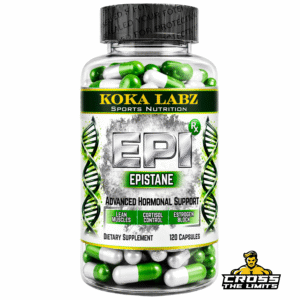
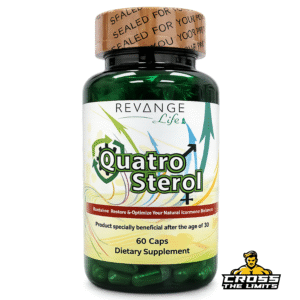
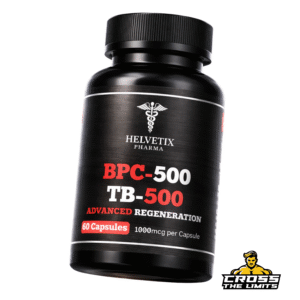
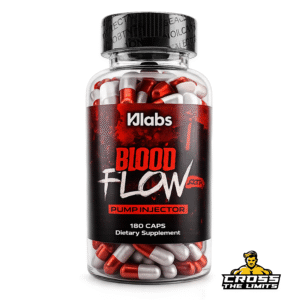
Cross The Limits illustrates adaptation: the retailer narrowed its focus to compliant performance supplements and transparent labels, invested in vendor vetting and education, and saw trust and assortment grow. Retail playbooks for 2026 also include proactive audit trails, geo-blocking for restricted SKUs, customs-ready paperwork, and QR-linked safety pages. These measures reduce platform strikes, protect payment continuity, and reflect the real legal status in the US and the legal status of listings.
When do enforcement actions happen, and how much do they cost brands?
Enforcement often spikes after adverse-event reports, seasonal sweeps, or media attention, and regulators coordinate with customs and marketplaces so actions cascade rapidly. Costs accumulate: seized inventory, relabeling, legal fees, revenue disruption, payment holds, advertising restrictions, and higher insurance premiums. Typical sequence: notice or alert, marketplace delisting, formal demand for corrective action and distribution records, then recall or destruction orders—often public—followed by legal defence and reformulation. The commercial damage usually exceeds fines alone.
Budgeting for 2026 should include reserves for worst-case outcomes in risky categories. Representative cost ranges: – Legal counsel: $50,000–$250,000 per matter, – Recall logistics: $150,000–$500,000, – Inventory write-off: variable, – Ad channel loss: immediate and ongoing. Teams reduce exposure through pre-clear claims, conservative stimulant stacks, and athlete-safe variants, and by monitoring RASFF, FDA, MHRA, WADA, and weekly updates on UK and USS legal status. That vigilance is cheaper than reactive fixes and preserves brand value.
How much consumer demand remains, and how will it shift in 2026?
Demand for extreme stimulants persists in a niche often served by grey-market channels, while mainstream buyers prefer reliable, smoother energy backed by safety evidence. In 2026, preferences emphasise legal stimulant systems with transparent dosing and trust signals. The pre-workout stimulants category overall still grows, driven by tiered caffeine options and nootropic support, while stimulant-free SKUs expand for late workouts and tested athletes. FFFlavourixability, and GI tolerance gain importance as users form routines; loyalty favours products that feel good and reduce returns. Retailers that educate customers, cycling, and tolerance capture lifetime value while addressing UK and US legal status in customer-facing content.
Brands will report simple cohort metrics such as time to noticeable energy, perceived jitter, crash rating at 90 minutes, and next-day readiness. Price sensitivity rises as premium actives increase costs; value is judged by repeatable outcomes rather than peak intensity. Education helps buyers move on from expectations shaped by what happened to dmaa in recent years toward modern stacks, reducing churn and building trust.
What stimulant alternatives are emerging for performance and focus?
Leading alternatives layer complementary mechanisms for energy, cognition, and endurance. Caffeine remains the foundation with weight-based dosing and caps; theacrine and methylliberine extend energy without sharp spikes; l-tyrosine supports performance under stress; and l-citrulline, nitrates, and beta-alanine improve pump and capacity. Cognitive aids include alpha-GPC or citicoline, bacopa and rhodiola, when standardised and correctly dosed, and L-theanine to smooth caffeine effects. Creatine and betaine support power and hydration to enhance work quality per set.
Formulator checklists for 2026: choose legal, standardised actives with human data; layer fast and slow energy sources; include electrolytes for heat and volume work; disclose doses; and link to batch COAs. Avoid WADA-flagged compounds during competition windows. When done well, users report cleaner energy, steadier focus, and minimal escrashes, delivering performance while avoiding DMAA’s regulatory pitfalls and aligning with UK and US legal status in product choice.
How will global supply chains and labelling adapt to DMAA risk?
Supply chains will favour verified suppliers, tighter specs, and deeper audits of ingredient brokers. Contracts will include stimulant-specific warranties and indemnities, and labels will move to full disclosure, with QR codes linking to test results. Geographic variants will respect local banned lists and claims law. Operational changes include expanded vendor onboarding with stimulant screening, serialisation linking batches to testing and country eligibility, and demand planning that avoids reliance on a single high-risk input. These steps reduce the risk of recall and simplify customs dealings.
Expect pharma-like harmonisation: quality-by-design for blend uniformity, supplier scorecards, and stability studies for actives such as nitrates. On-pack language will clarify use cases—daily driver, competition-safe, stimulant-free—and e-commerce pages will include dose timing and caffeine totals. For dmaa in 2026, these measures ensure compliance by default and reward brands that promise continuity, clarity, and athlete safety while accounting for the legal status in the UK and the US.
Will marketing and claims change as DMAA fades from the market?
Yes. Messaging will favour measurable, compliant endpoints over vague “insane energy” claims. Time-to-peak, focus duration, and crash avoidance are easy to test and substantiate, and human performance metrics appeal to athletes and regulators. Transparency becomes a marketing asset; storytelling emphasises ingredient standardisation, dosing rationale, and repeatable outcomes. User-generated content will showcase session quality and next-day readiness instead of a single dramatic rush.
As regulations tightened, specialist retailers had to adapt quickly. Stores such as Cross The Limits shifted their focus toward compliant performance supplements, transparent labelling, and science-backed formulas. This approach helps consumers access innovative sports nutrition products while remaining aligned with current regulations.
Practical tactics for 2026 include publishing concise user studies, using clear caffeine-disclosure graphics, separating athlete-safe SKUs in the navigation, and aligning product copy with substantiation files. Brands may add in-app timers for dose timing and warm-up cues, and affiliates will be trained on compliant language to avoid ad rejections. These moves reduce ad volatility, stabilise conversions, and improve lifetime value while keeping UK and USS legal status guidance visible.

Could DMAA return legally, and what contingencies make sense for brands?
A broad reinstatement of DMAA is unlikely; in 2026, the USS, UK, and EU positions are entrenched and coordinated, and WADA’s ban limits athlete-oriented use. Brands should plan for DMAA to remain off-limits and prioritise supply resilience and label clarity. Practical contingencies include modular formulas that allow stimulant swaps without full reformulation, separate SKUs for stimulant-free and competition-safe lines, and twice-yearly updates to claims libraries and watchlists. If rules change, well-documented products and prepared partners enable quicker pivots.
A lean governance model helps: align regulatory, R&D, quality, and marketing in a single review cycle, monitor safety signals quarterly, and update platform policies monthly. Keep capital light on risky inventory and invest in data and testing. Winning on performance without DMAA is the safest path to consumer trust and retail access in 2026, especially when navigating the legal status in the UK and the US.
Frequently Asked Questions About DMAA in 2026
Is DMAA legal in 2026?
DMAA remains heavily restricted in most major markets. In the United States, the FDA does not recognise DMAA as a lawful dietary ingredient, while the UK and EU continue to restrict its sale in supplements.
Why was DMAA banned or restricted?
Regulators raised concerns about potential cardiovascular risks, including increased heart rate and blood pressure, especially when DMAA was combined with other stimulants.
Can supplement companies still sell DMAA products?
Mainstream brands and major retailers generally avoid DMAA due to legal, regulatory, and payment-processing risks. Most focus on compliant alternatives instead.
What ingredients are replacing DMAA in pre-workouts?
Modern formulas often use caffeine, theacrine, methylliberine, L-tyrosine, Alpha-GPC, citrulline, nitrates, and other legal performance-support ingredients.
How has DMAA affected the supplement industry?
DMAA regulations accelerated product reformulations, stricter compliance standards, increased testing requirements, and greater transparency across the industry.
Do athletes need to avoid DMAA?
Yes. DMAA is prohibited by anti-doping organisations such as WADA, meaning athletes could face sanctions if they use products containing it.
Are DMAA-free pre-workouts effective?
Many modern DMAA-free formulas provide strong energy, focus, and performance benefits through carefully dosed combinations of stimulants and nootropes.
Will DMAA regulations become stricter in the future?
Most industry experts expect regulators to maintain or increase enforcement efforts rather than relax existing restrictions.
How can consumers identify compliant supplements?
Look for transparent labels, third-party testing, batch certificates, and products sold by reputable retailers that follow local regulations.
What is the future of high-stimulant supplements after DMAA?
The industry is shifting toward legal stimulant systems, advanced nootropics, and evidence-based formulations that deliver performance without relying on DMAA.
Summary
DMAA’s era drove demand for extreme pre-workout effects, but regulatory action in the US, UK, and EU has largely closed that chapter. In practice, dmaa in 2026 means compliance-first portfolios, transparent labels, and science-led stimulant systems built around caffeine, theacrine, tyrosine, nitric oxide, and proven ergogenics. Retailers, including Cross The Limits, succeed by curating compliant performance lines, enforcing supplier proof, and educating shoppers about the legal status in the UK and the US. The winners deliver dependable energy, effective training sessions, and athlete safety without regulatory surprises, reflecting lessons about what happened to dmaa in recent years.