
Gym Supplements UK: How to Choose Protein, Creatine & Pre-Workouts for Your Goals

Gym supplements UK deliver the best results when they align with your specific goals, are backed by science, and fit your training routine. This guide helps you evaluate needs, choose effective products, stack sensibly, find transparent, performance-focused gym supplements in the UK, and avoid common errors.
How to choose gym supplements in the UK for your goals?
Pick a single goal for the next 12 weeks and log training weekly. Then choose one or two core items to address the biggest shortfall—protein, recovery, or energy. Keep your stack minimal and reassess every four weeks. Only add supplements when progress stalls.
Clear goals simplify decisions. for fat loss, target appetite control, steady energy, and muscle retention. For lean mass, prioritise protein intake and progressive overload support. For strength or sport, creatine monohydrate plus a properly dosed pre-workout forms a solid foundation. quick checks: – goal and timeline: fat loss, recomp, muscle, or sport in 8–12 weeks. – diet gap: are you meeting 1.6–2.2 g protein/kg? – training load: 3–6 sessions weekly needs recovery support. – caffeine tolerance, sleep, and digestion: match stimulant levels to tolerance. – budget: start with one proven product before expanding your gym supplements UK selection.
What are the core supplements that really work?
Four categories have the strongest evidence: protein powder, creatine monohydrate, caffeine-based pre-workouts, and essentials like vitamin D and omega‑3s. These support muscle mass, strength, training quality, and overall health. Other items help only when they fill a specific gap.
protein powder simplifies hitting daily targets. aim for 1.6–2.2 g/kg bodyweight. Creatine monohydrate (3–5 g/day) boosts high-intensity performance and lean mass. Caffeine at 3–6 mg/kg increases alertness and power; sensitive users may prefer 150–200 mg. Vitamin D and omega‑3s support recovery, mood, and control of inflammation in UK routines.
useful extras: – beta‑alanine (3.2–6.4 g/day) for efforts of 60–240 seconds. – l‑citrulline (6–8 g pre-workout) for improved blood flow. – electrolytes for long or hot sessions. – EAAs or carb + EAA intra-workout for fasted training. Pick products with transparent labels so purchases match clinically effective doses.

How to choose protein powder for your body and budget?
Select a protein that digests well, fits your diet, and supplies 20–30 g of complete protein per scoop. Whey concentrate usually gives the best value. Whey isolate suits those who are sensitive to lactose or want tighter macros. Casein helps for long gaps between meals. plant blends let vegans achieve a full amino profile.
Whey concentrate often tastes better and typically contains 70–80% protein. Whey isolate is 85–90% protein, with lower lactose and fat content. micellar casein digests slowly and supports overnight recovery. For plant options, choose pea + rice blends with around 2.7 g of leucine per 25–30 g serving to stimulate muscle protein synthesis.
smart buying checklist: – protein per 100 g and per scoop, not just “per serving.” – leucine content (2.5–3.0 g). – third‑party testing or named sources like Creapure. – sweetener choice and digestive aids like lactase. – cost per 25 g protein, not per scoop. When shopping, use filters and guides on how to choose protein powder UK so you can compare lactose, flavour, and testing standards.
Creatine monohydrate vs other forms: which is best in 2026?
Creatine monohydrate remains the gold standard in 2026 for strength, power, and lean mass. It is the most researched, affordable, and effective option at 3–5 g per day. Other forms promise better uptake, but evidence rarely supports clear advantages. Keep monohydrate central to your kit.
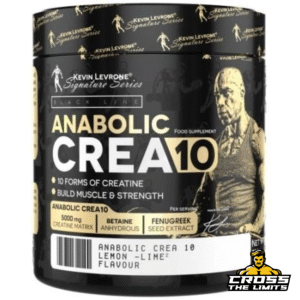
monohydrate raises muscle creatine over 2–4 weeks. A 20 g/day loading for 5–7 days accelerates this. A steady 3–5 g/day reaches the same level over several weeks. micronised powders mix well; Creapure offers purity verification. Creatine HCl can be gentler on the stomach but costs more and seldom outperforms monohydrate.
buying tips: – choose “creatine monohydrate” with ≥99.9% purity. – Pick unflavoured if you mix into juices or shakes. – Check scoop size; 3 g may suit smaller users. – Consistency matters more than timing, though post-workout is a convenient habit.
A good example of a modern creatine product is Dark Labs Alpha Creatine 30 Servings. Unlike many basic creatine powders, it combines high-quality creatine with additional performance-focused ingredients designed to support strength, recovery, power output, and training performance. For athletes looking for a convenient, all-in-one creatine solution rather than plain monohydrate, products like Alpha Creatine offer a practical alternative while keeping creatine as the foundation of the stack.
Are pre-workouts worth it, and how to read the label?
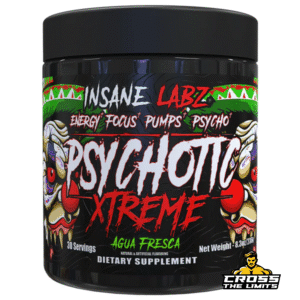
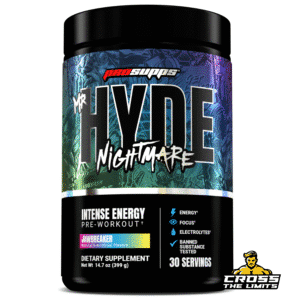
Pre-workouts can be useful if the labels are clear and the doses match those in clinical trials. Look for 150–300 mg caffeine (or a stim-free option), 6–8 g l‑citrulline, 2–3.2 g beta‑alanine, and 1.25–2.5 g betaine or 1–2 g taurine. Avoid proprietary blends that hide ingredient amounts.
Read serving size and active amounts per full scoop, not “per half serving.” Total caffeine from all sources should be specified; 3–6 mg/kg is generally appropriate. Useful extras include tyrosine (1–2 g) and alpha‑GPC (300–600 mg) for focus. If you train late, choose stim‑free pumps with nitrates, glycerol, or citrulline to protect sleep. Pick the best pre-workout by checking full labels and batch testing.
red flags and green lights: – green: full label, clinical doses, batch testing. – red: “proprietary matrix,” buzzwords, or hidden caffeine. – green: separate pump and stim versions to tune intensity. – red: niacin flush used to fake a “feel.” Select trusted brands so products match the claims.
One of the most popular daily-driver formulas in the gym supplements UK category is Dark Labs Crack Daily Pre-Workout. Designed to provide consistent energy, focus, pumps, and workout performance without the extreme stimulant intensity of some hardcore pre-workouts, it is often chosen by athletes seeking a balanced formula for regular training sessions. As always, check the full label, ingredient dosages, and stimulant content to ensure the product matches your goals and tolerance level.
How much and when? Timing and stacking step by step
keep timing simple: hit daily protein targets, take 3–5 g creatine any time of day, and use caffeine 30–45 minutes before training. Use electrolytes or carbs for long or very sweaty sessions. At night, avoid stimulants and use sleep-supporting aids to aid recovery.
daily stack examples: – training day: breakfast whey or eggs; pre 6–8 g citrulline + 150–250 mg caffeine; during hard sessions add electrolytes; post 25–40 g protein; creatine 3–5 g anytime; evening magnesium if needed. – rest day: meet protein targets, take creatine 3–5 g with a meal, and skip stimulants. – cutting: prioritise high-fibre, low-calorie volume; use a low‑stim pre or black coffee. Use label data so each product in your stack is dosed correctly.
doses by goal: – muscle gain: 1.6–2.2 g/kg protein; creatine 3–5 g; pre-workout as tolerated. – strength: same protein; consider 300 mg caffeine for maximal attempts. – endurance cross‑training: 300–700 mg sodium per litre; beta‑alanine daily. – fat loss: keep protein high; stimulants can curb appetite; cycle caffeine. Product pages with per‑serving grams help you stack precisely when shopping.
Safety, quality, and legality in the UK: what to check?
Buy from retailers that prioritise legality, purity, and transparent labels. In the UK, follow FSA guidance and look for good manufacturing practices. Athletes should choose third‑party tested batches like Informed‑Sport to avoid banned substances.
Quality indicators include GMP facilities, clear ingredient weights, and test certificates. avoid proprietary blends and miracle claims. For novel ingredients, check UK/EU status and follow label directions. Monitor sleep, blood pressure, and well-being with higher‑stim products; stop if side effects occur.
compliance checklist: – clear label with per‑ingredient dosages. – banned substance testing if you compete. – allergen info and sweetener list. – batch numbers and expiry dates. – clear returns and customer support. A transparent retailer will let you filter products by testing and dose.
When buying UK gym supplements, retailer reputation matters just as much as the formula itself. Cross The Limits has become one of the UK’s leading specialist supplement stores thanks to its focus on transparent labels, premium US brands, performance-focused formulas, and detailed product information. Whether you’re looking for protein powders, creatine monohydrate, pre-workouts, recovery supplements, or hardcore sports nutrition, choosing trusted retailers helps ensure you receive authentic products backed by proper sourcing and customer support.

Common mistakes with supplements and how to fix them
Most mistakes come from chasing trends instead of fixing fundamentals. people miss protein, overuse stimulants, and switch products too quickly. fix basics first: sleep 7–9 hours, train effectively, and track protein, calories, and activity. Then add two or three targeted supplements.
common errors and fixes: – many products but low protein; solve with one reliable whey or plant blend. – stacking pre-workouts for “more energy”; check total caffeine and cycle stimulants. – missing electrolytes in heat; add sodium/potassium for long efforts. – buying for flavour alone; compare active grams and cost per 25 g protein. – using banned stimulants when tested; choose Informed‑Sport options.
measure change with simple metrics: body weight trends, weekly reps at a fixed load, and sleep quality. Wait 3–4 weeks before judging results. If progress stalls, tweak calories or training before adding supplements. Use filters to avoid overlapping ingredients, and buy only products that address your needs.
FAQ
What are the best gym supplements UK beginners should start with?
Do I need supplements to build muscle?
What is the best protein powder for muscle growth?
Is creatine monohydrate still the best creatine in 2026?
Can I take creatine while cutting?
Are pre-workouts worth using?
How much caffeine should a pre-workout contain?
Are pump pre-workouts useful without stimulants?
What is the minimum effective supplement stack?
How do I choose high-quality UK gym supplements?
Summary: build your stack with confidence
Pick one goal, stick to evidence-based basics, and buy products with clear labels: Prioritise total protein, creatine monohydrate, and a suitably dosed pre-workout. Track progress for 4 weeks before making any changes. Match stimulant use to sleep and training to get the most from your supplements.
When buying, choose a trusted retailer known for transparent labelling and performance formulas. Use vendors that let you filter by goal, dose, and testing standard to build a stack that supports your plan and delivers results, whether you need guidance on the best pre-workout, intra-workout nutrition, or on how to choose protein powder in the UK.
Whether you’re building muscle, chasing strength PRs, improving recovery, or preparing for your next cutting phase, the best results come from combining smart training with properly selected supplements. At Cross The Limits, you’ll find one of the UK’s largest selections of gym supplements, including premium protein powders, creatine monohydrate, high-stim pre-workouts, pump formulas, recovery products, and exclusive US brands trusted by serious athletes. Explore our Protein Supplements, Creatine Supplements, Pre-Workout Supplements, and Recovery Supplements collections to build a stack that matches your goals and training style.