
From Athletes to Bodybuilders: How Creatine Can Benefit Every Fitness Enthusiast

Creatine is a naturally occurring compound that is found in small amounts in certain foods and produced by the body. It is made up of three amino acids: arginine, glycine, and methionine. The primary function of creatine in the body is to provide energy to cells, particularly muscle cells, during high-intensity, short-duration activities such as weightlifting or sprinting. When you engage in these types of activities, your muscles use adenosine triphosphate (ATP) as a source of energy. However, ATP is quickly depleted, and that’s where creatine comes in. Creatine helps to regenerate ATP, allowing your muscles to continue working at a high intensity for a longer period of time.
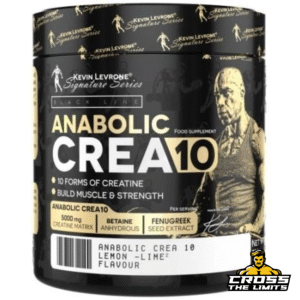
In addition to its role in energy production, creatine also has the ability to draw water into muscle cells, which can increase muscle volume and improve cell signaling. This can lead to improved muscle growth and strength gains over time. Creatine is available in supplement form, typically as creatine monohydrate, and is widely used by athletes and fitness enthusiasts to enhance performance and support muscle growth.
Creatine supplements are available in various forms, including powders, capsules, and liquids. It is important to note that while creatine is generally safe for most people when taken at recommended doses, it may cause side effects such as stomach cramping, diarrhea, or dehydration in some individuals. It is always best to consult with a healthcare professional before starting any new supplement regimen.
The Benefits of Creatine for Endurance Athletes
While creatine is often associated with strength and power sports, it can also benefit endurance athletes. Research has shown that creatine supplementation can improve endurance performance by increasing the body’s ability to produce ATP during high-intensity exercise. This can lead to improved performance in activities such as long-distance running, cycling, or swimming.
In addition to its effects on ATP production, creatine may also help to buffer lactic acid build-up in the muscles during intense exercise. Lactic acid is a byproduct of anaerobic metabolism and can contribute to muscle fatigue and decreased performance. By reducing lactic acid accumulation, creatine may help endurance athletes maintain a higher level of performance for longer periods of time.
Furthermore, creatine supplementation has been shown to increase muscle glycogen stores, which can be beneficial for endurance athletes who rely on glycogen as a primary fuel source during prolonged exercise. By increasing glycogen availability, creatine may help athletes sustain energy levels and delay the onset of fatigue during endurance events.
How Creatine Can Enhance Strength and Power for Powerlifters and Weightlifters
Creatine is perhaps best known for its ability to enhance strength and power performance in athletes engaged in activities such as powerlifting and weightlifting. When you engage in high-intensity, short-duration activities such as lifting heavy weights, your muscles rely heavily on ATP for energy. As mentioned earlier, creatine helps to regenerate ATP, allowing your muscles to maintain a high level of performance during these types of activities.
In addition to its role in ATP production, creatine supplementation has been shown to increase muscle mass and strength gains when combined with resistance training. This is due in part to creatine’s ability to draw water into muscle cells, which can increase muscle volume and improve cell signaling. This can lead to improved muscle growth and strength gains over time.
Furthermore, creatine may also have a positive impact on muscle protein synthesis, which is the process by which your body builds new muscle tissue in response to resistance training. By enhancing muscle protein synthesis, creatine may help powerlifters and weightlifters recover more quickly from intense workouts and build lean muscle mass more effectively.
Creatine and Muscle Growth: How It Can Benefit Bodybuilders
For bodybuilders, muscle growth is a primary goal, and creatine supplementation can be a valuable tool for achieving this goal. As mentioned earlier, creatine has the ability to draw water into muscle cells, which can increase muscle volume and improve cell signaling. This can lead to improved muscle growth over time.
In addition to its effects on muscle volume, creatine supplementation has been shown to increase muscle protein synthesis, which is the process by which your body builds new muscle tissue in response to resistance training. By enhancing muscle protein synthesis, creatine may help bodybuilders recover more quickly from intense workouts and build lean muscle mass more effectively.
Furthermore, creatine may also have a positive impact on muscle glycogen stores, which can be beneficial for bodybuilders who engage in high-volume resistance training. By increasing glycogen availability, creatine may help bodybuilders sustain energy levels and maintain a high level of performance during intense workouts.
The Role of Creatine in Improving High-Intensity Interval Training (HIIT) Performance
High-Intensity Interval Training (HIIT) has gained popularity in recent years due to its ability to improve cardiovascular fitness and burn calories in a short amount of time. Creatine supplementation may also benefit individuals engaged in HIIT by increasing the body’s ability to produce ATP during high-intensity exercise.
In addition to its effects on ATP production, creatine may help buffer lactic acid build-up in the muscles during intense exercise. Lactic acid is a byproduct of anaerobic metabolism and can contribute to muscle fatigue and decreased performance. By reducing lactic acid accumulation, creatine may help individuals engaged in HIIT maintain a higher level of performance for longer periods of time.
Furthermore, creatine supplementation has been shown to increase muscle glycogen stores, which can be beneficial for individuals engaged in HIIT who rely on glycogen as a primary fuel source during intense exercise. By increasing glycogen availability, creatine may help individuals sustain energy levels and delay the onset of fatigue during HIIT workouts.
Creatine as a Supplement for Overall Health and Well-being
In addition to its performance-enhancing effects, creatine may also offer benefits for overall health and well-being. Research has shown that creatine supplementation may have neuroprotective effects and could potentially benefit individuals with neurological conditions such as Parkinson’s disease or traumatic brain injury.
Furthermore, creatine has been studied for its potential role in improving cognitive function and mental performance. Some research suggests that creatine supplementation may enhance memory and attention in individuals with cognitive impairments or age-related decline.
Additionally, creatine may have antioxidant properties that could help protect cells from damage caused by free radicals. This could have implications for overall health and longevity, as oxidative stress is thought to play a role in aging and the development of chronic diseases.
How to Incorporate Creatine into Your Fitness Routine
If you are considering incorporating creatine into your fitness routine, it is important to do so in a safe and effective manner. Start by consulting with a healthcare professional to determine if creatine supplementation is appropriate for you based on your individual health status and fitness goals.
When choosing a creatine supplement, opt for a high-quality product such as creatine monohydrate. This form of creatine has been extensively studied and is considered safe and effective for most individuals. It is typically available in powder form and can be easily mixed into water or a beverage of your choice.
To maximize the benefits of creatine supplementation, consider following a loading phase followed by a maintenance phase. During the loading phase, take 20 grams of creatine monohydrate per day (divided into four doses) for 5-7 days. After the loading phase, take 3-5 grams of creatine monohydrate per day to maintain elevated muscle creatine levels.
It is also important to stay well-hydrated when taking creatine supplements, as they can draw water into muscle cells and may increase the risk of dehydration if not consumed with an adequate amount of water.
In conclusion, creatine is a versatile supplement that offers benefits for athletes engaged in various types of physical activity as well as individuals seeking to support overall health and well-being. By understanding how creatine works and how it can enhance performance and recovery, you can make informed decisions about incorporating this supplement into your fitness routine. As always, it is important to consult with a healthcare professional before starting any new supplement regimen to ensure that it is safe and appropriate for you.