







The Ultimate Guide to Muscle Gain: Tips and Tricks for Building Strength

Muscle gain, also known as muscle hypertrophy, is the process of increasing the size and strength of your muscles through various forms of resistance training. When you engage in activities that put stress on your muscles, such as weightlifting or bodyweight exercises, it causes microscopic damage to the muscle fibers. In response to this damage, your body initiates a repair process, leading to the growth and strengthening of the muscle fibers. This process is known as muscle protein synthesis.
To effectively gain muscle, it’s important to understand the two main types of muscle hypertrophy: myofibrillar hypertrophy and sarcoplasmic hypertrophy. Myofibrillar hypertrophy involves an increase in the size and number of myofibrils, which are the contractile units within muscle fibers. This type of hypertrophy is associated with an increase in strength and power. On the other hand, sarcoplasmic hypertrophy involves an increase in the volume of the sarcoplasm, the fluid within the muscle cell. This type of hypertrophy is associated with an increase in muscle size and endurance. Understanding these concepts can help you tailor your training program to achieve your specific goals.
Developing a Solid Workout Routine
A solid workout routine is essential for maximizing muscle gain. When designing a workout program, it’s important to consider factors such as frequency, intensity, volume, and exercise selection. In terms of frequency, most experts recommend training each muscle group 2-3 times per week to optimize muscle growth. This allows for sufficient stimulus and recovery for each muscle group. In terms of intensity, it’s important to lift weights that are challenging enough to stimulate muscle growth. This typically involves lifting weights that are around 70-85% of your one-rep max for compound exercises such as squats, deadlifts, and bench presses.
Volume refers to the total amount of work performed in a workout, including the number of sets and reps. For muscle gain, it’s generally recommended to perform 3-5 sets of 6-12 reps for each exercise. This range has been shown to be effective for stimulating muscle growth. Exercise selection is also important when designing a workout routine. Compound exercises that target multiple muscle groups, such as squats, deadlifts, and pull-ups, should form the foundation of your program. Isolation exercises can also be included to target specific muscles and address any weaknesses or imbalances.
Importance of Nutrition and Diet
Nutrition plays a crucial role in muscle gain. In order to build and repair muscle tissue, your body requires an adequate intake of protein. Protein is made up of amino acids, which are the building blocks of muscle tissue. Consuming protein-rich foods such as lean meats, poultry, fish, eggs, dairy products, and plant-based sources like tofu and legumes can help support muscle growth. It’s generally recommended to consume around 1.6-2.2 grams of protein per kilogram of body weight per day for individuals looking to gain muscle.
In addition to protein, carbohydrates are also important for fueling your workouts and replenishing glycogen stores in your muscles. Carbohydrates provide the energy needed to perform intense resistance training and support recovery after workouts. Good sources of carbohydrates include whole grains, fruits, vegetables, and legumes. Healthy fats are another essential component of a muscle-building diet. Fats play a role in hormone production and help support overall health and well-being. Sources of healthy fats include avocados, nuts, seeds, olive oil, and fatty fish.
Incorporating Supplements for Muscle Growth
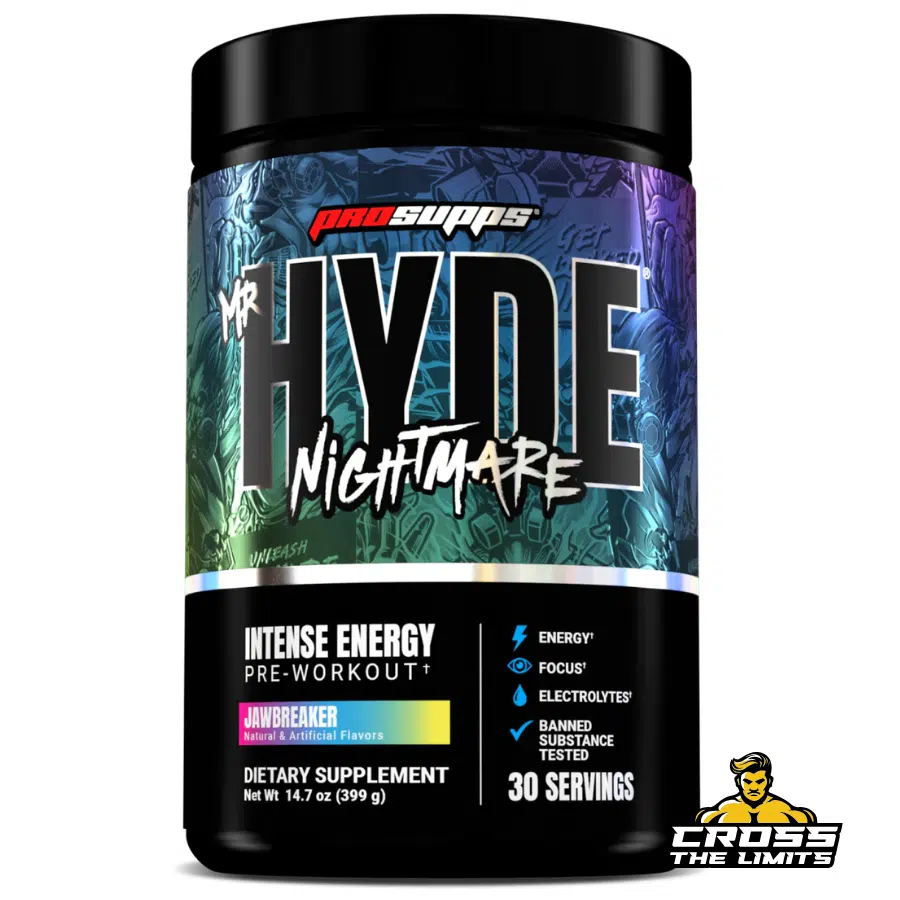
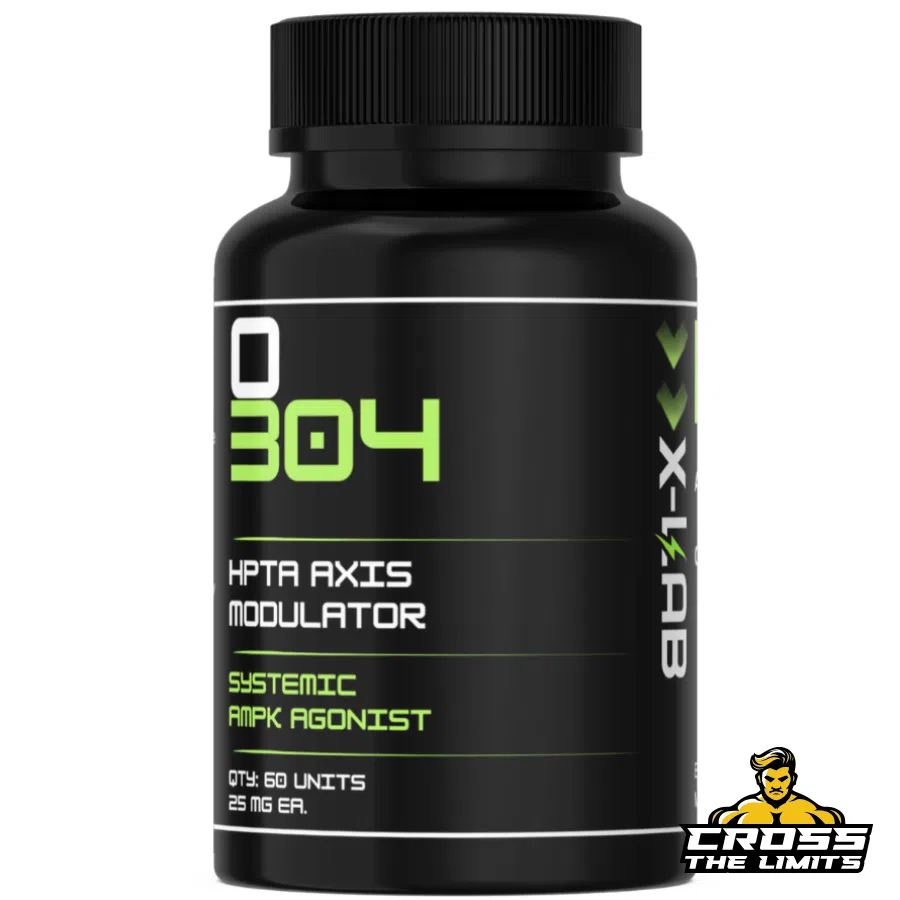
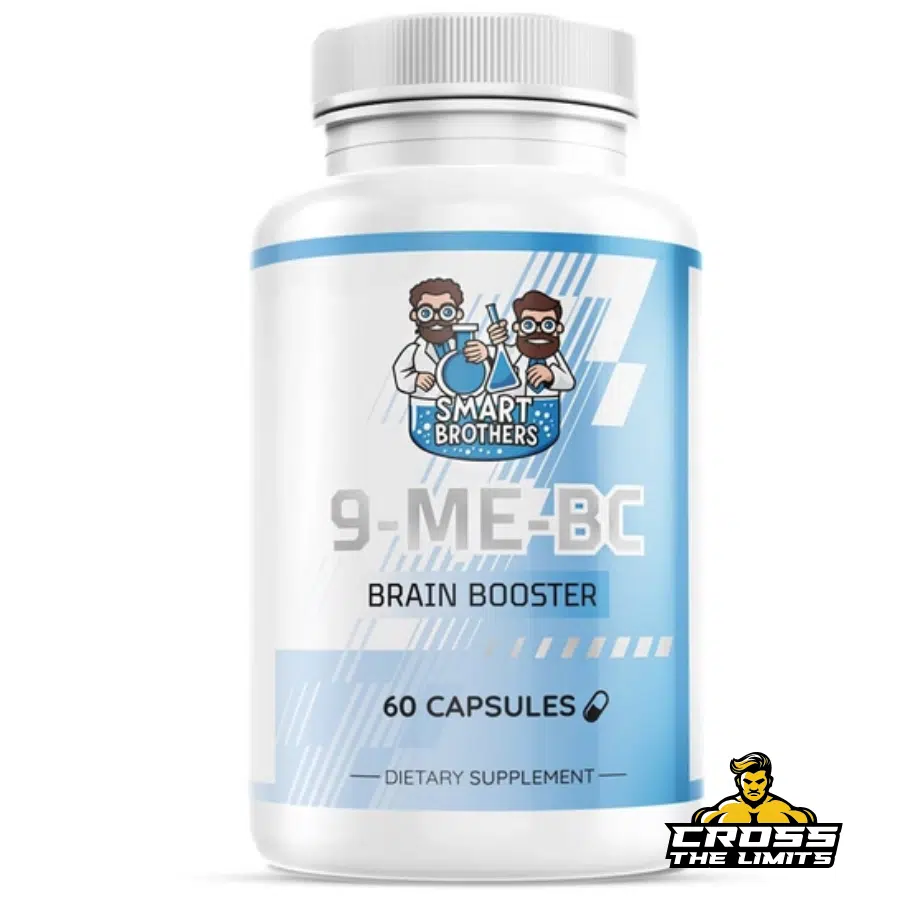
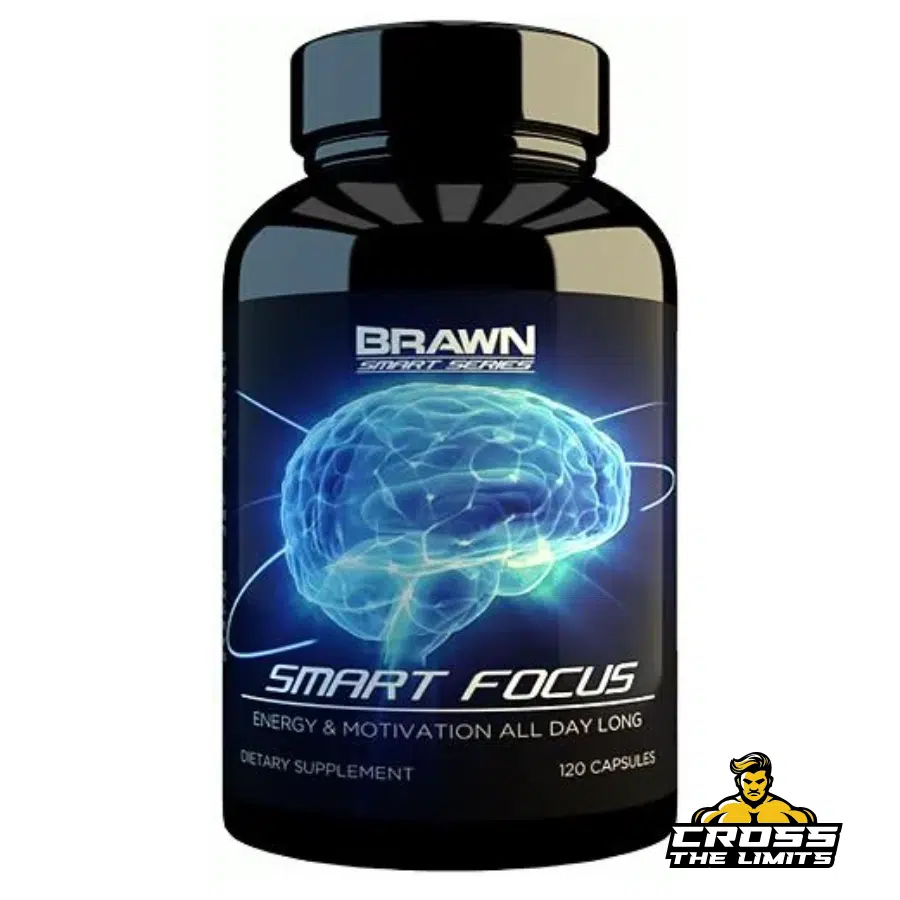
While proper nutrition should always be the foundation of any muscle-building plan, supplements can be used to complement a well-rounded diet and support muscle growth. One of the most popular supplements for muscle gain is whey protein powder. Whey protein is a fast-digesting protein that can be consumed before or after workouts to support muscle recovery and growth. Creatine is another widely researched supplement that has been shown to enhance strength and muscle mass when combined with resistance training.
Branch-chain amino acids (BCAAs) are another popular supplement for muscle growth. BCAAs are essential amino acids that play a key role in protein synthesis and can help reduce muscle soreness and fatigue during workouts. Additionally, beta-alanine has been shown to increase muscular endurance and delay fatigue during high-intensity exercise. It’s important to note that while supplements can be beneficial, they should not replace a balanced diet and proper training program.
Rest and Recovery: The Key to Building Strength
Rest and recovery are often overlooked but are crucial components of a successful muscle-building program. When you engage in resistance training, you create micro-tears in your muscle fibers. It’s during the recovery period that your muscles repair and grow stronger. Adequate rest allows your body to adapt to the stress placed on it during workouts. This includes getting enough sleep each night, as sleep is when your body produces growth hormone and repairs damaged tissues.
In addition to sleep, active recovery strategies such as foam rolling, stretching, and low-intensity activities like walking or yoga can help promote blood flow and reduce muscle soreness. It’s also important to allow for rest days in your training program to prevent overtraining and burnout. Overtraining can lead to decreased performance, increased risk of injury, and hindered progress in muscle gain. By prioritizing rest and recovery, you can ensure that your body is able to adapt and grow stronger from your workouts.
Tracking Progress and Setting Realistic Goals
Tracking your progress is essential for staying motivated and making continual gains in muscle strength and size. There are several ways to track progress, including keeping a workout journal, taking regular measurements of your body composition, and tracking your strength gains in the gym. By recording your workouts and tracking your progress over time, you can identify areas for improvement and make adjustments to your training program as needed.
Setting realistic goals is also important for long-term success in muscle gain. Rather than focusing solely on the number on the scale or the size of your muscles, consider setting performance-based goals such as increasing your squat or bench press weight, improving your endurance during cardio workouts, or achieving a certain number of pull-ups. By setting specific, measurable, achievable, relevant, and time-bound (SMART) goals, you can stay focused and motivated throughout your muscle-building journey.
Avoiding Common Mistakes and Injuries
When it comes to gaining muscle, it’s important to avoid common mistakes that can hinder progress or lead to injury. One common mistake is not using proper form during exercises. Using improper form can lead to injury and prevent you from effectively targeting the intended muscles. It’s important to prioritize technique over weight lifted and seek guidance from a qualified trainer if needed.
Another mistake is not allowing for adequate recovery between workouts. Overtraining can lead to fatigue, decreased performance, and an increased risk of injury. It’s important to listen to your body and take rest days when needed. Additionally, neglecting proper nutrition can hinder muscle gain. Consuming a balanced diet that includes an adequate intake of protein, carbohydrates, and fats is essential for supporting muscle growth.
In conclusion, gaining muscle requires a combination of resistance training, proper nutrition, adequate rest and recovery, goal setting, and avoiding common mistakes. By understanding the basics of muscle gain and implementing a solid workout routine that includes compound exercises and sufficient volume and intensity, you can maximize your potential for muscle growth. Prioritizing nutrition by consuming adequate protein, carbohydrates, and healthy fats can support recovery and fuel your workouts. Additionally, incorporating supplements when appropriate can complement a well-rounded diet and training program.
Rest and recovery are essential components of building strength and should not be overlooked. By allowing for adequate rest days and prioritizing sleep and active recovery strategies, you can ensure that your body is able to adapt and grow stronger from your workouts. Tracking progress and setting realistic goals can help keep you motivated throughout your muscle-building journey.
Finally, avoiding common mistakes such as using improper form during exercises, overtraining, neglecting proper nutrition, or not allowing for adequate recovery can help prevent injury and hinder progress in muscle gain. By staying mindful of these factors and consistently applying them to your training program, you can optimize your potential for gaining strength and building lean muscle mass.