


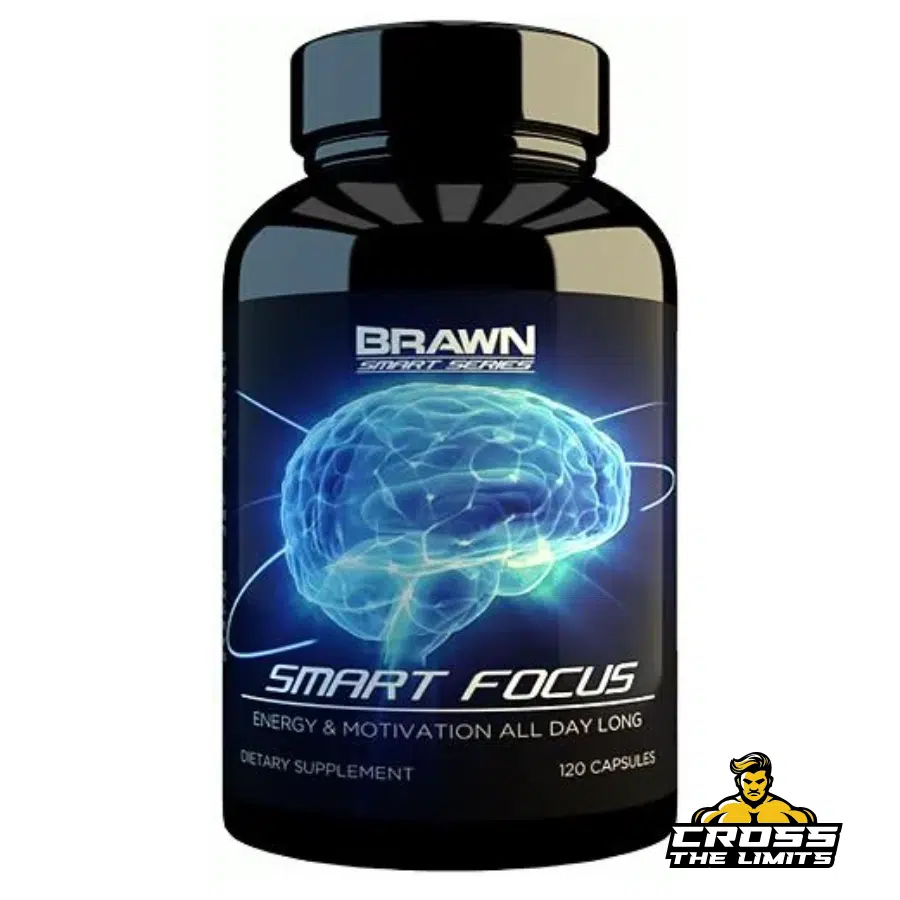
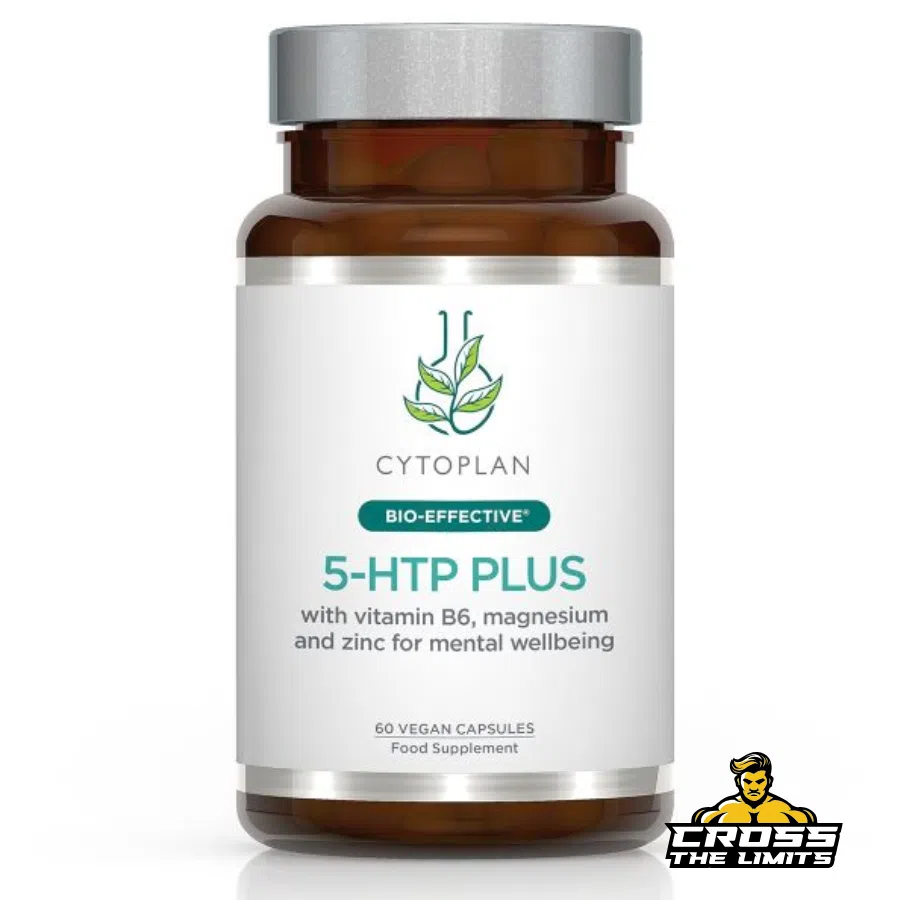


Peptide nootropics UK 2026: how to choose the best options
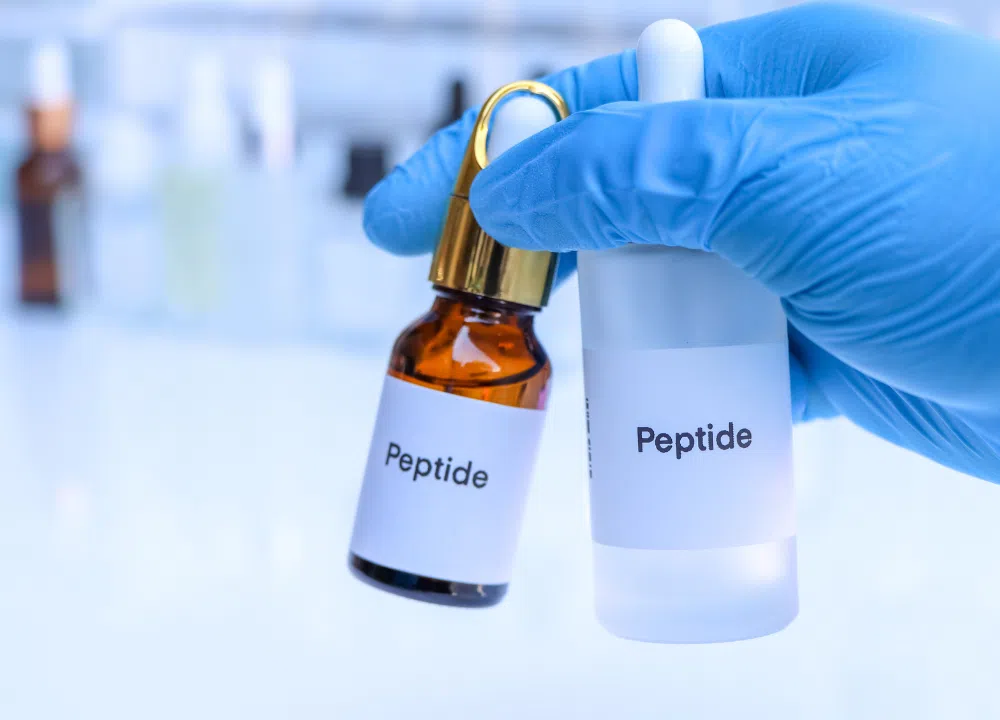
Peptide nootropics UK 2026: how to choose the best options is one of the fastest-growing topics among people looking to support focus, memory, cognitive performance, and mental resilience. As interest in compounds such as Semax, Selank, and Noopept continues to grow, so do questions about legality, scientific evidence, product quality, and supplier reliability. This comprehensive guide explains what peptide nootropics are, how they work, the current UK regulatory landscape, and how to safely evaluate suppliers before buying. By the end, you will have a practical framework for comparing nootropic peptides, assessing purity, and choosing the right options for your cognitive goals.
Key Takeaways
- Peptide nootropics differ fundamentally from traditional supplements, operating as short amino acid chains that modulate neurotransmission and neurotrophic factors.
- Regulatory status in the UK requires caution: Many cognitive peptides are classified as unlicensed medicines, meaning products sold “for research only” cannot be marketed for human consumption.
- Quality verification is essential: Always demand batch-specific, independent Certificates of Analysis (COA) with HPLC or LC-MS testing to confirm identity and purity above 95%.
- Evidence tiers matter: Prioritise compounds with human clinical trials over animal studies, and avoid making health decisions based solely on social media hype or forum anecdotes.
- Foundation comes first: Peptides cannot replace essential cognitive pillars such as quality sleep, structured training, proper nutrition, and stress management.
How Do Peptide Nootropics Compare to Traditional Nootropics?
Understanding the key operational differences between peptide compounds and standard dietary supplements is vital before starting any protocol.
| Feature | Peptide Nootropics | Traditional Nootropics |
|---|---|---|
| Human Research | ⭐⭐☆☆☆ | ⭐⭐⭐⭐⭐ |
| UK Availability | ⭐⭐☆☆☆ | ⭐⭐⭐⭐⭐ |
| Regulatory Clarity | ⭐⭐☆☆☆ | ⭐⭐⭐⭐⭐ |
| Safety Data | ⭐⭐☆☆☆ | ⭐⭐⭐⭐⭐ |
| Ease of Use | ⭐⭐☆☆☆ | ⭐⭐⭐⭐⭐ |
| Daily Supplementation | ⭐⭐☆☆☆ | ⭐⭐⭐⭐⭐ |
What Are Peptide Nootropics and How Do They Work?
Peptide nootropics are short chains of amino acids studied for their potential to enhance attention, memory, mood, and stress resilience. Unlike standard oral nutrients, peptides act as precise signalling molecules in the brain, modulating neurotransmitters, neurotrophic factors, and neuroendocrine responses.
User reports range from slight boosts in mental alertness to calm, focused cognition. However, scientific evidence varies wildly across compounds: while a few have clinical human trials, many rely primarily on animal models or preclinical data.
Practical administration is a critical factor. Many pure peptides are quickly broken down in the digestive tract, rendering them poorly absorbed orally. As a result, they are often administered intranasally or via sublingual formulations.
Furthermore, stability is a major hurdle—unpreserved peptides degrade rapidly if exposed to heat or improper storage conditions. When researching peptide nootropics in the UK for 2026, it is essential to look for verified human trial data and documented safety profiles rather than relying on forum testimonials.

Biological Mechanisms and Pathways
At a cellular level, cognitive peptides interact with complex neural pathways. Some compounds balance glutamate and GABA activity, while others stimulate Brain-Derived Neurotrophic Factor (BDNF), influence dopamine receptors, or regulate the HPA axis.
Because these agents are often synthetic fragments of endogenous proteins, they can influence long-term synaptic plasticity and stress adaptation. The biological timecourse also varies: some peptides deliver acute neurotransmitter shifts, whereas others foster gradual, cumulative structural adaptations in brain tissue.
Common Examples and Market Overview
Widely discussed examples in the biohacking community include Noopept, Semax, and Selank. While some neurotrophic formulations hold clinical authorisation in Eastern Europe, most remain unlicensed in the UK and are marketed strictly for research purposes.
If you are looking for legal nootropics, it is vital to evaluate supplier transparency. Always choose vendors that publish cold-chain storage parameters and independent batch COAs, while strictly adhering to MHRA compliance guidelines.
How to Define Your Goals and Personal Constraints Before Buying?
Before purchasing any cognitive compound, define a single primary objective, establish clear safety boundaries, and build a system to track your progress.
Start by picking one measurable endpoint—such as sustained mental focus, improved memory recall, or reduced performance anxiety. Establish explicit stop-rules immediately: for instance, commit to discontinuing the trial if resting heart rate increases by more than 20% or if sleep disruptions persist for two consecutive nights.
Convert your goals into simple daily metrics. Track focus using short reaction-time apps, monitor learning accuracy with spaced-repetition tools, or record daily mood and sleep length in a logbook.
Set strict financial and time constraints beforehand. A 2 to 4-week trial window is usually sufficient to evaluate efficacy. If you take prescription medication or manage underlying health conditions, consult a qualified healthcare professional before introducing any experimental nootropic.
What Is the Legal and Regulatory Status of Peptide Nootropics in the UK for 2026?
In the UK, many cognitive peptides are classified as unlicensed medicines. Selling, supplying, or advertising unlicensed peptides for human consumption falls under strict MHRA enforcement, and items labelled “for research only” cannot be legally sold for personal use.
Personal importation also carries risk. Customs officials frequently intercept international shipments labelled as research chemicals if paperwork or quantities suggest human intent, resulting in product seizure without financial recourse.
Regulatory Rules at a Glance
- MHRA Oversight: Regulates medicinal products; interventions occur whenever products are presented or sold for human consumption.
- WADA Restrictions: Athletes must carefully check WADA prohibited lists, as several peptide classes and administration methods are banned in competitive sport.
- Merchant Policies: Payment processors and UK marketplaces actively restrict accounts linked to unlicensed medical substances.
To stay completely safe and legal, focus on compliant dietary supplements featuring permitted ingredients, or consult a licensed prescriber. Always avoid unverified vendors making cure-all therapeutic promises or selling unlabelled injectable vials.
Which Cognitive Goal Matches Your Strategy?
Matching your specific performance requirements with evidence-backed ingredients prevents wasted effort and unnecessary health risks.
| Goal | Commonly Discussed Options |
|---|---|
| Improve Focus | Alpha GPC, Citicoline, L-Tyrosine |
| Better Memory | Noopept, Citicoline |
| Calm Focus | L-Theanine |
| Stress Resilience | Selank, L-Theanine |
| Mental Energy | Semax, L-Tyrosine |
| Healthy Brain Function | Omega-3, Magnesium |
| Productivity | Alpha GPC + L-Theanine |
| Learning Support | Citicoline + Omega-3 |
How to Evaluate Scientific Evidence and Safety Data You Can Trust?
Always prioritise randomised, double-blind human trials that measure validated cognitive endpoints. Distinguish between early preclinical promise in animal models and proven clinical efficacy in human subjects.
When reviewing compounds like Semax, Selank, or Noopept, rely on systematic reviews and independent studies rather than single pilot trials or forum anecdotes. Demanding replicated data ensures you base your choices on real physiological effects rather than placebo.
Understanding the Evidence Hierarchy
- Tier A: Randomised, double-blind human trials with validated cognitive endpoints and large sample sizes.
- Tier B: Open-label human trials or small pilot studies (<20 participants).
- Tier C: Animal models and in-vitro laboratory studies showing theoretical mechanisms.
- Tier D: Online anecdotes, forum testimonials, and vendor marketing claims.
Screen safety metrics aggressively. Look for documented reports on liver enzymes, cardiovascular stability, and contraindications. For peptide compounds, paying close attention to purity, sterile preparation, and peptide degradation is vital to avoid bacterial contamination or adverse reactions.
How to Verify Quality Suppliers and Laboratory Testing?
Proper documentation is non-negotiable when evaluating peptide quality. A legitimate Certificate of Analysis (COA) must show identity and purity verified by HPLC or LC-MS testing, alongside heavy metal, endotoxin, and microbial screens.
Verify that batch numbers on the physical product match the COA documents exactly. Ensure the testing lab is an accredited independent facility (such as ISO 17025 accredited) with verifiable contact details.
Inspect the supply chain. Biological peptides require documented cold-chain transport, sealed tamper-evident packaging, and clear lot traceability. Avoid suppliers shipping unlabelled vials in plain envelopes or those withholding third-party lab results.
Peptide Nootropic Buying Checklist
Use this pre-purchase verification checklist to ensure safety, legality, and product quality before placing an order.
| Question | ✔ Check Before Buying |
|---|---|
| UK legal status verified? | ✔ |
| Independent COA available? | ✔ |
| Batch number matches COA? | ✔ |
| Storage conditions explained? | ✔ |
| Scientific evidence reviewed? | ✔ |
| Supplier reputation checked? | ✔ |
| Human safety data available? | ✔ |
| Goal clearly defined? | ✔ |
What Are the Most Common Nootropic Mistakes and How to Avoid Them?
The most frequent mistake is stacking multiple new agents simultaneously. When you introduce several compounds at once, it becomes impossible to determine which ingredient caused positive improvements or adverse side effects.
Another common error is chasing novel research chemicals while neglecting core biological fundamentals like sleep hygiene, physical exercise, and balanced nutrition. No peptide can overcome chronic sleep deprivation or a poor diet.
Avoid social media hype. Extreme claims online rarely reflect realistic outcomes. Always introduce one variable at a time, track objective baseline metrics, and discontinue use immediately if negative symptoms occur.
Evidence Strength Comparison by Research Level
Evaluating research reliability helps manage expectations regarding potential cognitive gains.
| Evidence Level | Reliability |
|---|---|
| Randomised Human Trials | ⭐⭐⭐⭐⭐ |
| Controlled Clinical Studies | ⭐⭐⭐⭐☆ |
| Pilot Human Studies | ⭐⭐⭐☆☆ |
| Animal Research | ⭐⭐☆☆☆ |
| Cell Studies | ⭐☆☆☆☆ |
| Anecdotal Reports | ⭐☆☆☆☆ |
| Social Media Claims | ☆☆☆☆☆ |
What Are Evidence-Based Alternatives from Cross The Limits Nutrition?
For those seeking fully compliant, high-quality cognitive support, proven dietary supplements offer established safety profiles and robust clinical backing.
| If Your Goal Is… | Evidence-Based Supplement Option |
|---|---|
| Daily Focus | Alpha GPC 50% |
| Mental Performance | CDP Choline |
| Stress Management | L-Theanine |
| Better Sleep | Magnesium Bisglycinate + GABA |
| Recovery | NAC + Magnesium |
| Brain Health | Omega-3 + Citicoline |
| Sports Performance | Creatine + Electrolytes |
| Healthy Ageing | NMN + Magnesium + NAC |
Explore the complete range of cognitive enhancers, brain health formulas, and sports nutrition at Cross The Limits to build a safe, effective supplement routine.
Summary: How to Approach Peptide Nootropics Responsibly
Peptide nootropics continue to generate significant interest in 2026, but smart decisions are always built on scientific evidence rather than marketing claims. Before considering experimental compounds, define your explicit objective, verify UK legal requirements, demand independent testing, and establish measurable baseline data.
Treat any self-experiment as a strictly controlled trial. Introduce only one variable at a time, monitor objective markers (such as focus, memory, sleep, and mood), and reassess after several weeks. If results fall short or side effects emerge, cease the trial immediately.
Quick Checklist Before Choosing a Peptide Nootropic
| Step | What to Check |
|---|---|
| 🟨 Define Your Goal | Choose one primary cognitive objective such as focus, memory, or stress resilience. |
| 🟨 Establish a Baseline | Record sleep, mood, productivity, and cognitive performance for at least two weeks. |
| 🟨 Check UK Legality | Review current MHRA guidance and WADA regulations where applicable. |
| 🟨 Verify Product Quality | Look for independent COAs, batch numbers, GMP standards, and transparent testing. |
| 🟨 Assess Safety | Review contraindications, interactions, and consult a healthcare professional if needed. |
| 🟨 Test One Variable | Avoid stacking multiple experimental compounds simultaneously. |
| 🟨 Measure Results | Compare outcomes against your original baseline using objective metrics. |
| 🟨 Keep Records | Document doses, timing, effects, and any adverse reactions for future reference. |
Ultimately, the safest and most effective approach to peptide nootropics in the UK in 2026 relies on realistic expectations, scientific scrutiny, verified purity, and careful progress tracking.