
Sleep Aid UK Guide: Best Sleep Supplements, OTC Options & Recovery Tips

If you’re searching for a sleep aid product in the UK, this guide helps you cut through the hype and choose something that actually matches your sleep problem and recovery goals. We’ll break down the differences between over-the-counter sleep aids, hardcore sleep blends, legal UK supplements, and pharmacy options so you can understand what works best for sleep onset, deep sleep, recovery, and next-day performance.
You’ll learn how to match ingredients, dosages, and sleep-support categories to your situation instead of randomly stacking products that destroy sleep quality or leave you feeling groggy the next morning. We also cover common mistakes people make when researching UK sleep supplement products, how to read labels properly, and why transparent formulas matter more than marketing claims.
This guide compares pharmacy sleep aids against more recovery-focused ingredients such as magnesium glycinate, L-theanine, glycine, valerian, lemon balm, and advanced sleep formulas often discussed in the hardcore supplements UK scene. You’ll also learn why melatonin UK products are prescription-only and why imported melatonin supplements should be approached carefully.
Alongside product comparisons, you’ll find practical insomnia remedies, recovery-focused sleep hygiene tips, and smarter ways to improve deep sleep, recovery, mood, and next-day gym performance without relying entirely on stronger sedatives.

Step 2: know the categories, key ingredients, and UK rules
UK sleep options usually fall into two main categories:
- pharmacy over-the-counter sleep aids
- food supplements and herbal recovery formulas
The rules, labelling standards, and safety checks differ between these categories, so understanding what you’re actually buying is important before choosing a sleep aid UK product. Some products are designed for short-term sedation, while others focus more on relaxation, recovery quality, and improving long-term sleep habits.
A smarter approach is understanding:
- What sleep problem are you trying to fix
- whether you need short-term support or long-term recovery help
- Which ingredients match your goal
- How UK regulations affect what can legally be sold
OTC medicines in the UK
Common UK pharmacy sleep medicines are usually sedating antihistamines. Popular examples include:
- diphenhydramine (Nytol One-A-Night 50 mg)
- promethazine (Sominex 25 mg)
These ingredients may help reduce sleep latency and help some users fall asleep faster, but they can also cause:
- next-day grogginess
- dry mouth
- brain fog
- Reduced gym performance
- poor morning alertness
This is why most over-the-counter sleep aids are better suited for short-term use rather than for daily, long-term recovery support.
If you are researching sedating antihistamines for sleep in the UK, avoid combining them with:
- alcohol
- opioids
- strong sleep blends
- additional sedatives
Always start with the lowest effective dose and avoid unnecessary product stacking.
Supplements and botanicals
Many people in the UK looking for natural sleep remedies are seeking supplements designed to support relaxation, stress reduction, sleep depth, and overnight recovery quality rather than sedation.
Popular ingredients include:
- magnesium glycinate
- L-theanine
- glycine
- GABA
- valerian root
- lemon balm
- chamomile
- ashwagandha
- hops extract
When researching magnesium for sleep benefits, many users prefer magnesium glycinate because it is commonly associated with relaxation support and lower stomach irritation compared with cheaper forms of magnesium.
Some advanced sleep formulas discussed in the hardcore supplements scene in the UK may also contain stronger relaxation blends. Products such as Hi-Tech Pharmaceuticals Somatomax or Blackstone Labs Anaesthetised are often mentioned online. Still, certain US formulas may contain ingredients that are restricted, reformulated, or unsuitable under UK rules.
This is why ingredient transparency matters more than flashy branding.
If you are researching the best sleep supplements UK, focus on:
- transparent labels
- clearly listed dosages
- third-party testing
- UK compliance
- trusted retailers
- realistic ingredient claims
Avoid products using vague proprietary blends or unrealistic “cure insomnia instantly” marketing.
How to choose a sleep supplement
If you are unsure how to choose a sleep supplement, keep things simple first:
- Identify your real sleep issue
- Avoid stacking multiple sedatives
- test one product at a time
- track sleep quality for at least 7–14 nights
- Prioritise recovery habits alongside supplements
The best long-term results usually come from combining:
- proper sleep hygiene tips
- controlled stimulant intake
- consistent sleep timing
- lower evening stress
- smarter supplement choices
rather than relying entirely on stronger sedatives or random internet recommendations.
When to see a GP for insomnia
People often delay help for too long. If you are wondering when to see a GP for insomnia, consider professional guidance if you experience:
- chronic insomnia lasting several months
- Breathing pauses during sleep
- chest pain
- severe mood instability
- strong daytime fatigue
- heavy sedative dependence
- worsening anxiety or depression
- major recovery problems despite lifestyle changes
In those situations, proper medical support matters more than simply increasing doses or buying stronger sleep products online.

Step 3: choosing a sleep aid UK product you can actually use safely
The best approach is to match the product to your real sleep problem rather than chasing the “strongest” formula online. Start with one product at a time and give it a fair trial before adding anything else.
If your biggest issue is falling asleep quickly, short-term over-the-counter sleep aids, such as sedating antihistamines, may help. If your goal is deeper sleep, calmer recovery, reduced stress, and fewer next-day hangover effects, many people prefer legal supplements containing:
- L-theanine
- magnesium glycinate
- glycine
- valerian root
- lemon balm
- ashwagandha
These ingredients are commonly found in the best sleep supplements UK category and are often chosen by people who want recovery-focused sleep support rather than heavy sedation.
In the hardcore supplements UK scene, many sleep issues are linked to:
- aggressive stimulant use
- high caffeine intake
- late pre-workouts
- stress
- cutting phases
- poor recovery habits
This is why improving recovery quality and reducing nervous system overload matter just as much as choosing a UK sleep aid product.
Avoid combining multiple sedatives. Mixing:
- antihistamines
- alcohol
- strong sleep blends
- GABA-heavy formulas
- opioids
can increase next-day brain fog, poor recovery, and unwanted side effects.
Start low, track results properly, and give a product at least 5–7 nights unless side effects appear early. Keep using your sleep diary to monitor:
- sleep latency
- wake-ups
- recovery quality
- mood
- energy
- gym performance
- grogginess
- sleep depth
How to read labels and doses properly
One of the biggest mistakes people make when researching how to choose a sleep supplement is ignoring the label quality completely.
Good products should clearly show:
- exact per-serving dosages
- ingredient forms
- batch numbers
- transparent formulas
- no proprietary blends hiding totals
Some common dosage examples include:
- L-theanine: 100–200 mg before bed
- Magnesium glycinate: 200–350 mg elemental magnesium
- glycine: around 3 g at bedtime
- Valerian: varies depending on the extract strength
- diphenhydramine: commonly 50 mg in OTC sleep medicines
If a label looks vague or overloaded with marketing claims, choose another product.
When researching magnesium for sleep benefits, many people prefer magnesium glycinate because it is often associated with:
- relaxation support
- improved recovery
- better evening calm
- lower stomach irritation compared with cheaper magnesium forms
Safety checks before first use
Even legal sleep supplements deserve respect.
If you use:
- SSRIs
- SNRIs
- MAO inhibitors
- opioids
- strong sedatives
- triptans
Be careful with ingredients such as:
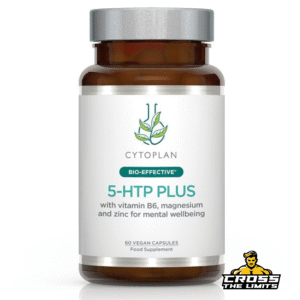
- 5-HTP
- GABA-heavy blends
- strong sedating formulas
Valerian and antihistamines may also interact with certain medications or worsen specific health conditions.
Higher magnesium intake can sometimes cause digestive upset, while sedating antihistamines may leave some people feeling slow, groggy, or mentally flat the next day.
If you are pregnant, breastfeeding, dealing with liver or kidney issues, or managing chronic insomnia, professional guidance matters more than chasing stronger products online.
Where to buy a sleep aid UK product safely
Choose trusted UK-based retailers with:
- transparent labels
- clear ingredient lists
- responsive customer support
- third-party testing where possible
- visible contact details
- proper returns policies
Avoid websites:
- promising to “cure insomnia instantly”
- selling prescription products without prescriptions
- hiding ingredient dosages
- pushing massive stimulant and sedative stacks together
If you are researching:
- What sleep aids are legal in the UK
- natural sleep remedies UK
- best sleep supplements UK
Then, transparency and UK compliance matter far more than flashy branding.
Common mistakes to avoid
Many people fail with sleep supplements because their recovery habits are terrible.
The basics still matter:
- consistent sleep timing
- lower evening screen exposure
- Reduced caffeine intake
- proper hydration
- lower evening stress
- fewer late-night stimulants
- structured wind-down habits
A UK sleep aid product can support good habits, but it cannot fully replace them.
Avoid stacking multiple sedatives together. Do not combine:
- antihistamines
- alcohol
- several GABA-style products
- multiple sleep formulas
all at once.
Changing too many variables together makes it impossible to know what is actually helping.
FAQ
Which is better: an antihistamine or a sleep supplement?
Can I buy melatonin in the UK without a prescription?
What are the best sleep supplements UK users commonly choose?
Are branded sleep blends better than single ingredients?
How long should I test a sleep aid before changing products?
Can I combine multiple sleep aids?
What should I avoid when buying a sleep aid product in the UK?
Do sleep hygiene habits matter more than supplements?
Conclusion and next steps
Choosing a sleep aid in the UK is simpler when you know your goal, UK regulations, and what each ingredient does. Define the problem, pick one legal, well‑labelled product that matches your aim, and test it for one to two weeks while keeping a sleep diary. Stop if side effects occur. If sleep doesn’t improve after a fair trial or red flags appear, consult your GP for other insomnia remedies.
Ready to act? Review your sleep diary, tidy your routine using sleep hygiene tips, then compare UK‑compliant options. Look for transparent labels, third‑party testing and responsive customer care. Explore trusted UK retailers to find legal supplements and pharmacy options that suit you. Start with one change tonight, track results, and build toward steady, restorative sleep.