SLU-PP-332 for Fat Loss: Benefits, Results & Best Products 2026
Key Takeaways
- SLU-PP-332 is an experimental ERRα/β/γ agonist studied as an exercise mimetic, with current evidence coming primarily from laboratory and animal research.
- Preclinical studies have linked SLU-PP-332 with increased fatty acid oxidation, energy expenditure and endurance, but these effects are not yet established for human fat loss.
- A calorie deficit, adequate protein, resistance training, physical activity and sleep remain the main drivers of sustainable fat loss and body recomposition.
- SLU-PP-332 should not be treated like a conventional dietary supplement because human safety, effective dosing and long-term outcomes have not been established.
SLU-PP-332 is an experimental exercise-mimetic compound being studied for its effects on energy metabolism, fatty acid oxidation and endurance, but its fat-loss benefits have not yet been established in humans.
It has quickly become a hot topic among athletes, bodybuilders and physique-focused individuals seeking advanced non-stimulant approaches to metabolic support. Unlike stimulant-based fat burners, its research interest centres on cellular energy pathways rather than central nervous system stimulation.
This SLU-PP-332 fat-loss guide explains what the compound is, how it works, what current research suggests and how nutrition, training, recovery and progress tracking should fit into a body-recomposition strategy.
You can also explore our non-stimulant fat burners category for other stimulant-free approaches.
How Does SLU-PP-332 Compare With Other Non-Stimulant Compounds?
The table below reflects how these compounds are commonly positioned in research and performance-focused discussions. It should not be interpreted as a clinical ranking of effectiveness or safety.
| Category | Commonly Discussed Option | User / Research Interest |
|---|---|---|
| Fat-Loss Research | SLU-PP-332 | ⭐⭐⭐⭐⭐ |
| Body Recomposition | AMP NEX | ⭐⭐⭐⭐⭐ |
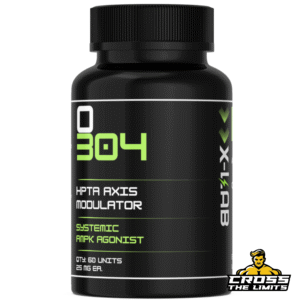
| Metabolic Support | O-304 | ⭐⭐⭐⭐⭐ |
| Mitochondrial Research | BAM-15 | ⭐⭐⭐⭐⭐ |
| Endurance Research | SLU-PP-332 | ⭐⭐⭐⭐⭐ |
| AMPK-Related Interest | O-304 | ⭐⭐⭐⭐ |
| Multi-Ingredient Formula | AMP NEX | ⭐⭐⭐⭐ |
| Advanced Research Compound | BAM-15 | ⭐⭐⭐⭐ |
Among experimental non-stimulant compounds discussed in 2026, SLU-PP-332 attracts particular attention because of its exercise-mimetic research and potential influence on oxidative metabolism.
That interest should not be confused with proof that SLU-PP-332 is an established or approved fat-loss treatment.
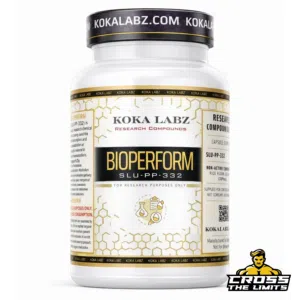
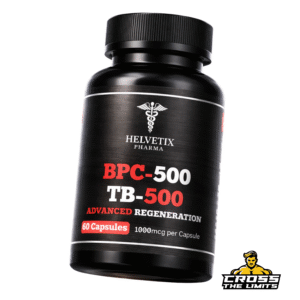
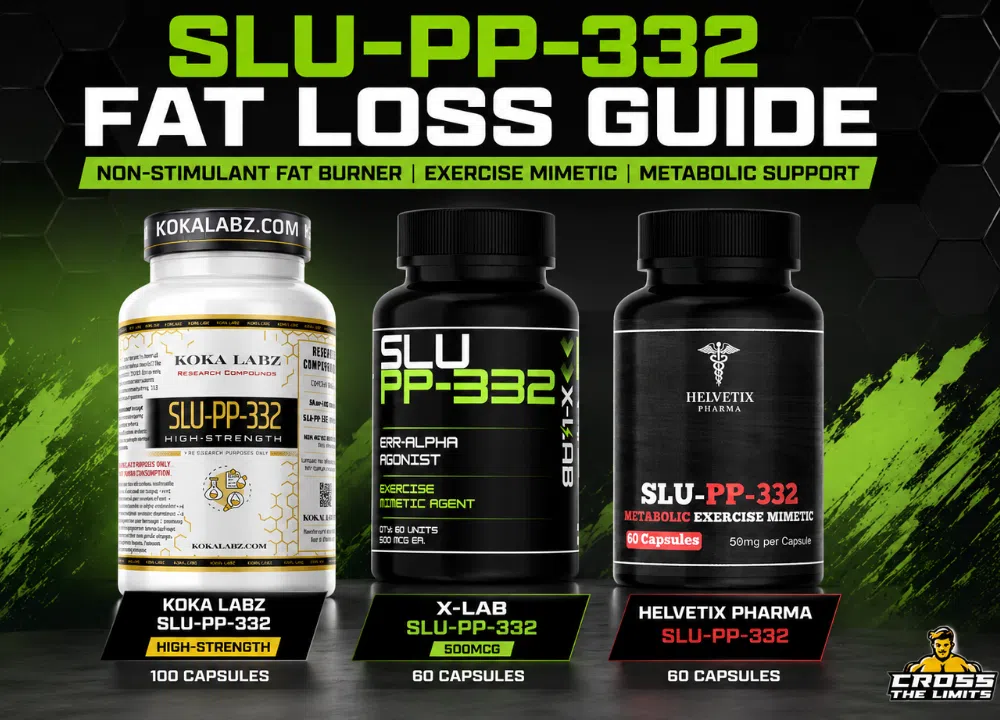
Products currently marketed around the compound include KOKA LABZ SLU-PP-332 High-Strength, X-LAB SLU-PP-332, Helvetix Pharma SLU-PP-332 and Koka Labz Bioperform SLU-PP-332. Their names remain useful for comparison, but formulation quality does not establish clinical effectiveness.

What Is SLU-PP-332 and How Does It Work?
SLU-PP-332 is a synthetic agonist of estrogen-related receptors ERRα, ERRβ and ERRγ that has been developed as an experimental exercise mimetic.
These receptors regulate processes involved in mitochondrial metabolism, oxidative phosphorylation and fatty acid utilisation. This helps explain why SLU-PP-332 has attracted interest in endurance and metabolic research.
Preclinical studies have investigated effects such as:
- increased mitochondrial activity;
- greater fatty acid oxidation;
- increased energy expenditure;
- changes in oxidative skeletal muscle fibres;
- improved exercise endurance in animal models;
- reduced fat accumulation in obesity models.
These findings come primarily from cell and animal models, so they cannot be assumed to produce the same magnitude of fat loss, endurance improvement or metabolic effects in humans.
This distinction is particularly important because SLU-PP-332 is sometimes incorrectly described as a PPAR-delta agonist. Its primary research mechanism instead involves activation of estrogen-related receptors.
Another reason the compound attracts attention is that it does not depend on conventional stimulant activity. This makes the concept appealing to people who want to avoid caffeine-related jitters or sleep disruption, although being non-stimulant does not automatically establish safety.
Product quality can also vary substantially. Experimental compounds should not be evaluated in the same way as conventional vitamins or established sports supplements, particularly when human dosing and safety data remain limited.
How Should You Structure a Fat-Loss Plan Around the Fundamentals?
A practical fat-loss plan should establish nutrition, training and recovery before considering any experimental compound.
A sensible order is:
- Confirm that there are no health issues that need professional medical attention.
- Set a realistic calorie deficit rather than relying on rapid weight-loss targets.
- Keep protein intake high enough to support muscle retention.
- Continue progressive resistance training during the cutting phase.
- Use cardio and daily activity to increase energy expenditure.
- Prioritise 7 to 9 hours of quality sleep.
- Track weight trends, waist measurements and strength performance.
- Change one variable at a time when progress stalls.
For more context on why activity matters during a calorie deficit, see our guide to training during weight reduction.
Conventional non-stimulant supplements may also support the wider plan. Examples include:
- creatine to help maintain training performance;
- electrolytes when training volume and sweating are high;
- omega-3 fatty acids as part of general nutrition;
- fibre to support satiety;
- adequate micronutrient intake during a calorie deficit.
How Do Non-Stimulant Fat-Loss Compounds Compare in 2026?
The following ratings reflect current interest and theoretical positioning rather than proven clinical superiority.
| Compound | Fat-Loss Interest | Endurance Interest | Body Recomp | Metabolic Research | Stimulant Free | Overall Interest |
|---|---|---|---|---|---|---|
| SLU-PP-332 | ⭐⭐⭐⭐⭐ | ⭐⭐⭐⭐⭐ | ⭐⭐⭐⭐⭐ | ⭐⭐⭐⭐ | ⭐⭐⭐⭐⭐ | ⭐⭐⭐⭐⭐ |
| AMP NEX | ⭐⭐⭐⭐⭐ | ⭐⭐⭐⭐ | ⭐⭐⭐⭐⭐ | ⭐⭐⭐⭐⭐ | ⭐⭐⭐⭐⭐ | ⭐⭐⭐⭐⭐ |
| O-304 | ⭐⭐⭐⭐ | ⭐⭐⭐ | ⭐⭐⭐⭐ | ⭐⭐⭐⭐⭐ | ⭐⭐⭐⭐⭐ | ⭐⭐⭐⭐ |
| BAM-15 | ⭐⭐⭐⭐⭐ | ⭐⭐⭐ | ⭐⭐⭐⭐ | ⭐⭐⭐⭐ | ⭐⭐⭐⭐⭐ | ⭐⭐⭐⭐ |
| Cardarine | ⭐⭐⭐⭐ | ⭐⭐⭐⭐⭐ | ⭐⭐⭐⭐ | ⭐⭐⭐ | ⭐⭐⭐⭐⭐ | ⭐⭐⭐⭐ |
What Results Can You Realistically Expect?
There is currently no reliable human timeline for fat-loss results specifically caused by SLU-PP-332. Claims promising predictable changes after a fixed number of days or weeks go beyond the available evidence.
For a well-designed fat-loss programme itself, useful early indicators can include:
- a gradual reduction in average body weight;
- a smaller waist measurement;
- stable or improving gym performance;
- better aerobic fitness;
- manageable hunger;
- consistent sleep and recovery.
Scale weight can fluctuate substantially because of water, glycogen and digestion. Look at seven-day averages rather than reacting to individual weigh-ins.
Visible body recomposition normally requires sustained consistency. A smaller waist combined with stable strength can be more meaningful than a dramatic short-term change on the scale.
If progress stalls, first review calories, daily movement and adherence rather than assuming that a stronger supplement is needed.
What Should You Track?
- seven-day average body weight;
- weekly waist circumference;
- training performance;
- daily step count;
- sleep quality;
- energy and hunger;
- cardio pace or endurance where relevant.
Which Non-Stimulant Compound Is Discussed for Which Goal?
The table below reflects the different research areas associated with each compound, not medically established recommendations.
| Goal | Commonly Discussed Compound |
|---|---|
| Fat-Loss Research | SLU-PP-332 |
| Endurance Research | Cardarine |
| Body Recomposition Interest | AMP NEX |
| Metabolic Support Research | O-304 |
| Mitochondrial Research | BAM-15 |
| Exercise-Mimetic Research | SLU-PP-332 |
How Should You Set Calories and Macros for Body Recomposition?
A modest calorie deficit combined with sufficient protein and resistance training is the foundation of body recomposition during a cutting phase.
A common starting point is a moderate reduction from maintenance calories rather than an aggressive crash diet. The correct intake depends on body size, activity and recent weight trends.
Useful macro priorities include:
- Protein: generally around 1.6 to 2.2 g/kg for resistance-trained individuals during a calorie-controlled phase.
- Fat: maintain sufficient dietary fat rather than reducing it excessively.
- Carbohydrates: use remaining calories to support training performance and recovery.
- Fibre: prioritise vegetables, fruit, legumes and whole grains to support satiety.
Carbohydrates can be placed around training if this improves session quality, but overall daily calorie and protein intake remain more important than precise nutrient timing.
Our article on cutting vs mass provides additional context on choosing the right nutrition phase for your goal.
What Training Works Best During a Fat-Loss Phase?
Resistance training should remain the priority because maintaining strength and muscle provides an important signal to preserve lean mass during a calorie deficit.
Cardio and daily movement can then increase energy expenditure without forcing calorie intake excessively low.
A balanced week can include:
- 3 to 4 resistance-training sessions;
- 2 to 3 moderate-intensity cardio sessions;
- regular walking and daily movement;
- limited high-intensity conditioning when recovery allows;
- at least one lower-stress recovery day.
Zone 2 cardio is commonly used because it is relatively easy to recover from and can build aerobic capacity without placing the same fatigue demands on the body as repeated high-intensity intervals.
Compound movements such as squats, hinges, presses, rows and lunges can remain part of the programme. Training volume may need to be adjusted if recovery declines as the calorie deficit progresses.
How Should You Track Progress and Health Markers?
Use several measurements together rather than relying on scale weight alone.
Useful progress markers include:
- seven-day average body weight;
- waist circumference;
- progress photos under consistent conditions;
- strength and training volume;
- daily steps;
- energy, hunger and sleep quality.
Experimental compounds create additional uncertainty because human safety data may be incomplete. Anyone using or considering them should discuss appropriate health monitoring with a clinician rather than relying on generic online testing schedules.
Relevant health considerations may include metabolic, liver and cardiovascular markers depending on individual circumstances and other substances being used.
What Are the Main Non-Stimulant Fat Burners Discussed in 2026?
Interest in non-stimulant fat-loss products continues to grow among people who want to avoid caffeine-heavy thermogenic formulas.
SLU-PP-332, O-304 and BAM-15 remain experimental compounds rather than established dietary supplements, so their inclusion in the same comparison does not mean their safety or effectiveness is equivalent.
| Compound | Primary Research Interest | Stimulant Free | Common Discussion |
|---|---|---|---|
| SLU-PP-332 | Exercise-Mimetic Activity | Yes | Metabolism & Endurance |
| O-304 | AMPK-Related Metabolic Research | Yes | Metabolic Support |
| BAM-15 | Mitochondrial Uncoupling Research | Yes | Energy Expenditure Research |
| AMP NEX | Multi-Ingredient Formula | Yes | Body Recomposition |
SLU-PP-332
SLU-PP-332 is an experimental ERR agonist studied for exercise-mimetic effects, oxidative metabolism and endurance. Most of the relevant evidence remains preclinical.
O-304
O-304 is discussed in relation to AMPK-related metabolic pathways and glucose metabolism. Claims about practical fat-loss outcomes should be distinguished from controlled clinical evidence.
BAM-15
BAM-15 has attracted research interest as a mitochondrial uncoupler. This mechanism also means it should not be treated as an ordinary consumer fat burner simply because it lacks conventional stimulants.
AMP NEX
AMP NEX combines multiple ingredients marketed toward metabolic and body-recomposition goals. As with any multi-ingredient formula, it is harder to attribute an observed effect to one component.
What Do User Reports Say About SLU-PP-332?
User discussions often mention steady-state cardio, energy during dieting and interest in non-stimulant fat-loss approaches.
Anecdotal reports cannot establish that SLU-PP-332 caused an improvement in fat loss, endurance or metabolic flexibility. Changes in calories, body weight, training, sleep and expectations can all influence the same outcomes.
If you want broader information on conventional products in this category, read our guide to fat burners, their effects and use.
Summary: What Should You Know About SLU-PP-332 for Fat Loss?
SLU-PP-332 is a promising experimental exercise-mimetic research compound, but it is not a proven human fat-loss treatment.
Its scientific interest comes from activation of ERR pathways associated with mitochondrial metabolism, fatty acid oxidation and exercise adaptation. Preclinical studies have produced interesting results, but human effectiveness, long-term safety and appropriate dosing remain uncertain.
For sustainable body recomposition, the fundamentals remain:
- a manageable calorie deficit;
- sufficient protein;
- progressive resistance training;
- appropriate cardio and daily activity;
- quality sleep;
- consistent progress tracking.
Experimental compounds should be viewed separately from those fundamentals, not as shortcuts around them. If your goal is conventional fat-loss supplementation, you can also explore the Burn Fat category.
Further Reading
- Maximizing Your Weight Loss Journey: How to Safely Incorporate Fat Burners Into Your Routine
- How to Naturally Curb Your Cravings and Control Your Appetite
- Rev Up Your Metabolism: 5 Foods That Can Help You Burn More Calories
FAQ
What is SLU-PP-332 and why is it being researched for fat loss?
SLU-PP-332 is an experimental agonist of ERRα, ERRβ and ERRγ receptors. Preclinical research has investigated its effects on mitochondrial metabolism, fatty acid oxidation, energy expenditure and exercise endurance.
Can SLU-PP-332 burn body fat without stimulants?
SLU-PP-332 does not rely on the conventional stimulant mechanisms used by caffeine-heavy fat burners. Animal studies have reported changes in fatty acid oxidation and fat accumulation, but human fat-loss effectiveness has not yet been established.
Is SLU-PP-332 a PPAR-delta agonist?
No. SLU-PP-332 is an agonist of estrogen-related receptors ERRα, ERRβ and ERRγ. It is sometimes compared with compounds that affect PPAR-related pathways because both areas involve energy metabolism and endurance, but the mechanisms are different.
Is SLU-PP-332 better than Cardarine for fat loss?
There is not enough human evidence to make a reliable comparison. SLU-PP-332 and Cardarine act through different molecular pathways, and neither should be ranked as clinically superior for recreational fat loss based on current evidence.
Can SLU-PP-332 support body recomposition?
Preclinical research provides a rationale for studying SLU-PP-332 in metabolism and body-composition contexts, but human body-recomposition benefits have not been established. Calorie balance, protein intake and resistance training remain the main determinants.
What is an exercise mimetic?
An exercise mimetic is a compound investigated for its ability to activate some of the molecular pathways normally stimulated by physical exercise. It does not reproduce all physiological, cardiovascular, muscular and psychological benefits of actually exercising.
How does SLU-PP-332 compare with O-304?
They are discussed in different areas of metabolic research. SLU-PP-332 acts through ERR receptors, while O-304 is associated with AMPK-related metabolic pathways. Their human effectiveness for recreational fat loss cannot currently be considered established.
What SLU-PP-332 products are discussed on the market?
Examples include formulas from KOKA LABZ, X-LAB, Helvetix Pharma and Koka Labz Bioperform. Product availability does not establish that SLU-PP-332 has been clinically proven or approved as a fat-loss supplement.