


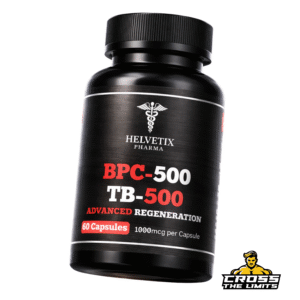










The Science Behind Performance-Enhancing Drugs: How They Really Work

Performance-enhancing drugs (PEDs) have been a controversial topic in the world of sports for decades. Athletes have been using these substances to gain a competitive edge and improve their performance, but the use of PEDs has raised ethical, health, and legal concerns. Performance-enhancing drugs come in various forms, including anabolic steroids, human growth hormone, stimulants, and diuretics. These substances can have a significant impact on an athlete’s physical abilities, but they also come with a range of risks and side effects. The use of PEDs is banned in most professional sports organizations, but the issue of doping continues to be a major concern in the world of athletics.
The use of performance-enhancing drugs has become increasingly prevalent in recent years, with athletes seeking any advantage they can get to excel in their respective sports. The pressure to perform at the highest level has led many athletes to turn to PEDs, despite the potential consequences. The use of these substances has sparked debates about fairness, integrity, and the health and safety of athletes. As the use of PEDs continues to be a hot-button issue in the world of sports, it is important to understand the physiology, types, effects, risks, and ethical considerations surrounding performance-enhancing drugs.
The Physiology of Performance Enhancement
Performance enhancement is a complex process that involves various physiological mechanisms. When an athlete uses performance-enhancing drugs, they are seeking to improve their physical abilities, such as strength, speed, endurance, and recovery. Anabolic steroids, for example, work by increasing protein synthesis in the body, leading to muscle growth and improved strength. Human growth hormone (HGH) stimulates growth, cell reproduction, and regeneration in the body, which can enhance an athlete’s physical capabilities. Stimulants, such as amphetamines and cocaine, can increase alertness, energy, and focus, while diuretics can help athletes lose water weight and improve their appearance.
The use of performance-enhancing drugs can have a significant impact on an athlete’s physiology, allowing them to push their bodies beyond their natural limits. However, these substances can also disrupt the body’s natural balance and lead to a range of health issues. It is important for athletes to understand the physiological effects of PEDs and the potential consequences of using these substances to enhance their performance.
Types of Performance-Enhancing Drugs
There are several different types of performance-enhancing drugs that athletes may use to improve their physical abilities. Anabolic steroids are one of the most well-known types of PEDs and are synthetic variations of the male sex hormone testosterone. These substances can increase muscle mass, strength, and endurance, but they also come with a range of side effects. Human growth hormone (HGH) is another common PED that can stimulate growth and cell reproduction in the body. Stimulants, such as amphetamines and cocaine, can increase alertness, energy, and focus, while diuretics can help athletes lose water weight and improve their appearance.
In addition to these substances, there are also other types of performance-enhancing drugs that athletes may use to gain a competitive edge. Erythropoietin (EPO) is a hormone that stimulates the production of red blood cells, which can improve an athlete’s endurance and oxygen-carrying capacity. Beta-2 agonists are another type of PED that can improve lung function and increase muscle mass. It is important for athletes to be aware of the different types of performance-enhancing drugs and their potential effects on the body.
How Performance-Enhancing Drugs Affect the Body
Performance-enhancing drugs can have a significant impact on an athlete’s body, allowing them to push their physical abilities beyond their natural limits. Anabolic steroids, for example, can increase muscle mass and strength by promoting protein synthesis in the body. Human growth hormone (HGH) stimulates growth and cell reproduction, leading to improved physical capabilities. Stimulants can increase alertness, energy, and focus, while diuretics can help athletes lose water weight and improve their appearance.
While performance-enhancing drugs can enhance an athlete’s physical abilities, they also come with a range of potential side effects and health risks. Anabolic steroids can lead to liver damage, cardiovascular issues, and hormonal imbalances. Human growth hormone (HGH) can cause joint pain, muscle weakness, and diabetes. Stimulants can lead to increased heart rate, high blood pressure, and anxiety. Diuretics can cause dehydration, electrolyte imbalances, and kidney problems. It is important for athletes to understand how performance-enhancing drugs can affect their bodies and the potential consequences of using these substances.
The Risks and Side Effects of Performance-Enhancing Drugs
The use of performance-enhancing drugs comes with a range of potential risks and side effects that athletes should be aware of. Anabolic steroids can lead to liver damage, cardiovascular issues, hormonal imbalances, and reproductive problems in both men and women. Human growth hormone (HGH) can cause joint pain, muscle weakness, diabetes, and an increased risk of certain types of cancer. Stimulants can lead to increased heart rate, high blood pressure, anxiety, and insomnia. Diuretics can cause dehydration, electrolyte imbalances, kidney problems, and muscle cramps.
In addition to these physical side effects, the use of performance-enhancing drugs can also have psychological and emotional consequences for athletes. The pressure to perform at the highest level can lead athletes to take extreme measures to gain a competitive edge, which can have a negative impact on their mental health and well-being. The risks and side effects of performance-enhancing drugs should not be taken lightly, and it is important for athletes to consider the potential consequences before using these substances.
The Ethics and Regulation of Performance-Enhancing Drugs
The use of performance-enhancing drugs raises ethical concerns about fairness, integrity, and the health and safety of athletes. Doping goes against the principles of fair play and sportsmanship by giving some athletes an unfair advantage over others. The use of PEDs also raises concerns about the long-term health consequences for athletes who may be putting their bodies at risk in pursuit of success. As a result, most professional sports organizations have strict regulations against the use of performance-enhancing drugs and conduct regular drug testing to ensure compliance.
The regulation of performance-enhancing drugs is a complex issue that requires a balance between protecting the integrity of sports and ensuring the health and safety of athletes. While it is important to maintain a level playing field for all competitors, it is also crucial to consider the potential consequences of strict anti-doping policies on athletes’ well-being. The ethics and regulation of performance-enhancing drugs continue to be a hot-button issue in the world of sports as organizations seek to find a balance between fairness and athlete safety.
The Future of Performance-Enhancing Drugs in Sports
The future of performance-enhancing drugs in sports is uncertain as organizations continue to grapple with how to address this complex issue. Advances in technology and science have led to the development of new substances that may not yet be detectable through traditional drug testing methods. As a result, there is a constant cat-and-mouse game between athletes seeking an edge through PEDs and organizations trying to stay ahead of doping practices.
In addition to technological advancements, there is also ongoing debate about whether certain substances should be allowed in sports if they can be used safely and effectively. For example, some argue that certain types of gene therapy or other medical advancements could potentially enhance an athlete’s performance without posing significant health risks. As the landscape of sports continues to evolve, it is likely that the issue of performance-enhancing drugs will remain a topic of debate for years to come as organizations seek to find a balance between fairness, integrity, and athlete safety in the world of sports.