





The Ultimate Guide to Hydration: How Proper Fluid Intake Can Boost Athletic Performance
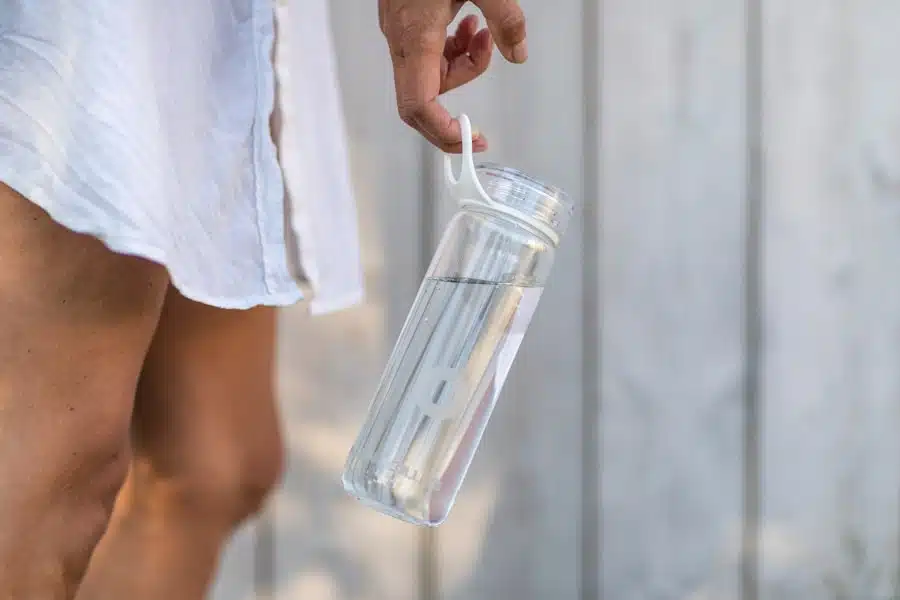
Hydration is a critical component of athletic performance, as it plays a vital role in maintaining the body’s overall function and well-being during physical activity. When an athlete is properly hydrated, they are better able to regulate their body temperature, transport nutrients to cells, and maintain proper muscle function. Dehydration, on the other hand, can lead to decreased performance, increased fatigue, and an increased risk of injury. It is essential for athletes to understand the importance of staying properly hydrated in order to optimize their performance and overall health.
Proper hydration is essential for athletes to perform at their best. When an athlete is dehydrated, their body is unable to function at its optimal level, leading to decreased performance and an increased risk of injury. In addition, dehydration can also lead to a decrease in cognitive function, making it difficult for athletes to make quick decisions and react effectively during competition. Therefore, it is crucial for athletes to prioritize hydration in order to maintain peak performance and reduce the risk of injury.
Understanding the Role of Fluid Intake in the Body
Fluid intake plays a crucial role in the body’s overall function, as it is essential for maintaining proper hydration levels and supporting various bodily functions. Water is the most important fluid for maintaining hydration, as it helps regulate body temperature, transport nutrients to cells, and lubricate joints. In addition to water, electrolytes such as sodium, potassium, and magnesium are also important for maintaining proper fluid balance in the body. These electrolytes help regulate muscle function, nerve function, and fluid balance, making them essential for athletic performance.
The body’s fluid needs vary depending on factors such as age, gender, climate, and physical activity level. Athletes in particular have higher fluid needs due to the increased sweat loss during exercise. It is important for athletes to be mindful of their fluid intake and ensure they are adequately hydrated before, during, and after physical activity. By understanding the role of fluid intake in the body and the importance of maintaining proper hydration levels, athletes can optimize their performance and reduce the risk of dehydration-related issues.
Tips for Staying Properly Hydrated During Exercise
Staying properly hydrated during exercise is essential for maintaining optimal performance and reducing the risk of dehydration-related issues. Athletes should aim to drink fluids before, during, and after exercise in order to maintain proper hydration levels. It is important for athletes to start their workouts well-hydrated by drinking 16-20 ounces of water or a sports drink 2-3 hours before exercise. During exercise, athletes should aim to drink 7-10 ounces of fluid every 10-20 minutes to replace fluids lost through sweat. After exercise, athletes should continue to drink fluids to replace any fluid deficit and promote recovery.
In addition to drinking fluids, athletes should also be mindful of their electrolyte intake during exercise. Electrolytes such as sodium and potassium are lost through sweat and need to be replaced in order to maintain proper fluid balance in the body. Athletes can consume electrolyte-rich foods and drinks or use electrolyte supplements to help replace lost electrolytes during exercise. By following these tips for staying properly hydrated during exercise, athletes can optimize their performance and reduce the risk of dehydration-related issues.
The Best Hydration Strategies for Different Types of Athletes
Different types of athletes have different hydration needs based on factors such as the intensity and duration of their workouts, climate, and individual sweat rates. Endurance athletes, for example, have higher fluid needs due to the longer duration of their workouts and increased sweat loss. These athletes should focus on consuming fluids before, during, and after exercise in order to maintain proper hydration levels. Strength and power athletes, on the other hand, may have lower fluid needs but still need to prioritize hydration in order to support muscle function and recovery.
Athletes who train in hot and humid environments also have higher fluid needs due to increased sweat loss. These athletes should be especially mindful of their fluid intake and may need to consume more fluids than those training in cooler climates. It is important for athletes to be aware of their individual hydration needs and adjust their fluid intake accordingly based on factors such as climate, workout intensity, and sweat rate. By understanding the best hydration strategies for different types of athletes, individuals can optimize their performance and reduce the risk of dehydration-related issues.
How Dehydration Affects Athletic Performance
Dehydration can have a significant impact on athletic performance, leading to decreased endurance, increased fatigue, and an increased risk of injury. When an athlete is dehydrated, their body is unable to regulate its temperature effectively, leading to an increased risk of heat-related illnesses such as heat exhaustion and heat stroke. In addition, dehydration can also lead to decreased cognitive function, making it difficult for athletes to make quick decisions and react effectively during competition.
Dehydration can also lead to decreased muscle function and coordination, increasing the risk of injury during physical activity. In addition, dehydration can lead to an increased perception of effort during exercise, making workouts feel more difficult than they actually are. It is essential for athletes to prioritize hydration in order to maintain peak performance and reduce the risk of dehydration-related issues.
The Link Between Hydration and Recovery
Proper hydration is essential for supporting recovery after exercise. When an athlete is properly hydrated, their body is better able to transport nutrients to cells and remove waste products from the muscles. This helps promote muscle repair and growth, reducing the risk of muscle soreness and fatigue. In addition, staying properly hydrated can also help reduce inflammation in the body, promoting faster recovery after exercise.
In addition to drinking fluids, athletes can also support recovery by consuming electrolyte-rich foods and drinks or using electrolyte supplements. Electrolytes such as sodium and potassium are important for maintaining proper fluid balance in the body and supporting muscle function. By understanding the link between hydration and recovery, athletes can optimize their performance and reduce the risk of dehydration-related issues.
Hydration Beyond Water: Exploring Electrolyte and Sports Drinks
While water is the most important fluid for maintaining hydration, electrolyte and sports drinks can also play a role in supporting athletic performance. Electrolyte drinks contain added electrolytes such as sodium and potassium, which can help replace lost electrolytes during exercise. These drinks can be especially beneficial for athletes who train in hot and humid environments or have higher sweat rates.
Sports drinks contain a combination of carbohydrates and electrolytes, which can help provide energy and support hydration during prolonged or intense workouts. These drinks can be beneficial for endurance athletes who need to replenish energy stores during long workouts or competitions. It is important for athletes to be mindful of their fluid intake and choose the right type of drink based on factors such as workout intensity, duration, and individual sweat rate. By exploring electrolyte and sports drinks as part of their hydration strategy, athletes can optimize their performance and reduce the risk of dehydration-related issues.
In conclusion, proper hydration is essential for athletic performance, as it plays a vital role in maintaining the body’s overall function and well-being during physical activity. Athletes should aim to drink fluids before, during, and after exercise in order to maintain proper hydration levels. It is important for athletes to be mindful of their electrolyte intake during exercise as well as understand their individual hydration needs based on factors such as workout intensity, duration, climate, and sweat rate. By prioritizing hydration and understanding the best strategies for different types of athletes, individuals can optimize their performance and reduce the risk of dehydration-related issues.