

What Makes the Best Sleep Supplement? Why Complete Sleep Stacks Work Better Than Melatonin Alone

What makes the best sleep supplement? Many people assume the answer is simply more melatonin, but modern sleep science tells a different story. Falling asleep is only one part of a restorative night. Deep sleep, REM sleep, nervous system recovery, hormone regulation and morning alertness all depend on multiple biological pathways working together. That is why complete sleep formulas are increasingly replacing single-ingredient sleep aids.
| Feature | Basic Sleep Aid | Complete Sleep Formula (e.g. Midnight Reset) |
|---|---|---|
| Supports falling asleep | ✔️ | ✔️ |
| Supports deep sleep (Slow-Wave Sleep) | Limited | ✔️ |
| Supports REM sleep quality | Limited | ✔️ |
| Targets multiple sleep pathways | ❌ Usually one ingredient | ✔️ Multi-ingredient approach |
| Supports overnight recovery | Limited | ✔️ |
| Supports nervous system relaxation | Sometimes | ✔️ |
| Designed for next-day freshness | Not always | ✔️ |
| Suitable for complete sleep support | Basic | Advanced |
In this guide, you’ll discover why multi-ingredient sleep stacks often outperform traditional sleep supplements, how ingredients such as glycine, GABA, magnesium glycinate, L-theanine, tryptophan and apigenin support different stages of sleep, and why a formula like Midnight Reset is designed to promote not only better sleep, but also overnight recovery and next-day performance.
In this article, you’ll learn:
- Why do most sleep aids focus only on falling asleep?
- What makes the best sleep supplement different from ordinary formulas?
- How deep sleep and REM sleep influence recovery and brain function.
- Why combining multiple ingredients may provide broader support than melatonin alone.
- Which ingredients target sleep onset, sleep quality and next-day recovery?
- Whether a complete night recovery formula is worth considering for athletes, shift workers and anyone struggling with poor sleep quality.
What makes the best sleep supplement? The core principles
An effective formula supports three pillars: circadian timing, nervous system calm, and sleep-stage architecture. It should ease sleep onset, boost slow-wave sleep, and preserve REM. No single ingredient reliably covers all three, so the smartest sleep stack combines moderate, synergistic doses of complementary compounds.
Sleep cycles through N1, N2, slow-wave sleep (SWS), and REM, each governed by different signals—GABA, adenosine, temperature, and circadian input from the suprachiasmatic nucleus. A practical supplement plan therefore targets excitatory–inhibitory balance, muscle relaxation, serotonin–melatonin pathways, and stress-hormone control to support deep sleep.
That means pairing compatible agents. Examples:
- magnesium glycinate for muscle relaxation and magnesium for sleep benefits;
- L-theanine to reduce glutamate and rumination and to address insomnia;
- glycine to promote a core temperature drop and improve sleep quality;
- tryptophan to support serotonin pathways;
- apigenin to reduce nighttime cortisol naturally; and
- gentle GABA support to settle the system.
Together, these components improve continuity and architecture rather than merely inducing sedation.
Who Can Benefit Most from a Complete Sleep Formula?
A complete sleep formula is not intended only for people struggling to fall asleep. Because modern sleep supplements often combine ingredients that support relaxation, sleep quality and overnight recovery, they may also benefit individuals whose lifestyle, work schedule or training demands place greater pressure on physical and mental recovery.
Athletes and Bodybuilders
Training stimulates muscle growth, but recovery happens during sleep. Deep sleep plays a key role in muscle repair, protein synthesis and hormone regulation. A complete sleep formula may help support overnight recovery as part of a healthy training routine.
Shift Workers
People who work rotating or night shifts often experience disrupted circadian rhythms and inconsistent sleep patterns. While no supplement can replace a regular sleep schedule, ingredients that promote relaxation and support healthy sleep architecture may make it easier to achieve restorative rest when sleeping outside traditional hours.
Busy Professionals
Long working hours, constant screen exposure and high stress levels can make it difficult to switch off at night. A multi-ingredient sleep formula may support relaxation before bedtime and help improve overall sleep quality, allowing for better focus and productivity the following day.
Students and Knowledge Workers
Sleep is essential for learning, memory consolidation and cognitive performance. Supporting both deep sleep and REM sleep may help optimise overnight brain recovery, making quality sleep an important part of studying and mentally demanding work.
Frequent Travellers
Jet lag and time zone changes can disrupt the body’s internal clock. A complete sleep formula may provide broader support than melatonin alone by addressing relaxation, sleep continuity and recovery while the circadian rhythm gradually adjusts.
Adults Experiencing High Stress
Chronic stress can increase mental overactivity and make it difficult to unwind before bed. Ingredients that support nervous system relaxation may help create a calmer bedtime routine when combined with healthy sleep habits.
Anyone Looking to Improve Sleep Quality
Many people sleep for seven or eight hours yet still wake feeling tired. In these situations, improving sleep quality—rather than simply increasing sleep duration—may have a greater impact on recovery, mood and daytime performance. A complete sleep formula is designed to support multiple stages of the sleep cycle rather than focusing solely on helping you fall asleep.
How Different Sleep Ingredients Support the Sleep Cycle
| Ingredient | Helps You Fall Asleep | Supports Deep Sleep | Supports REM Sleep | Supports Recovery |
|---|---|---|---|---|
| Melatonin | ⭐⭐⭐⭐⭐ | ⭐⭐ | ⭐⭐ | ⭐ |
| Glycine | ⭐⭐⭐ | ⭐⭐⭐⭐⭐ | ⭐⭐⭐ | ⭐⭐⭐⭐⭐ |
| Magnesium Glycinate | ⭐⭐⭐⭐ | ⭐⭐⭐⭐ | ⭐⭐⭐ | ⭐⭐⭐⭐ |
| L-Theanine | ⭐⭐⭐⭐ | ⭐⭐⭐ | ⭐⭐⭐⭐ | ⭐⭐⭐ |
| GABA | ⭐⭐⭐⭐ | ⭐⭐⭐⭐ | ⭐⭐ | ⭐⭐⭐ |
| Tryptophan | ⭐⭐⭐ | ⭐⭐⭐ | ⭐⭐⭐⭐ | ⭐⭐⭐ |
| Apigenin | ⭐⭐⭐ | ⭐⭐⭐⭐ | ⭐⭐⭐ | ⭐⭐⭐ |
Why do complete sleep stacks work better than melatonin alone?
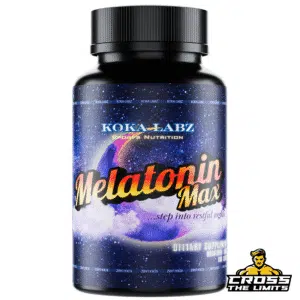
Melatonin mainly shifts timing; it doesn’t reliably sedate or deepen sleep on its own. Many people already produce adequate melatonin, and high doses can misalign the clock or cause morning fog. Complete stacks act as melatonin alternatives by addressing timing, arousal, and stage quality, so you fall asleep, stay asleep, and wake restored.
When taken in micro-doses 60–90 minutes before bed, melatonin signals biological night as a circadian Zeitgeber. But if glutamate is high, muscles are tense, or cortisol is elevated, you can remain activated. A well-designed blend calms those drivers with theanine, magnesium glycinate, glycine, and apigenin, while tryptophan or 5-HTP supports endogenous melatonin more gently than large supplemental doses.
Comparison at a glance:
- Melatonin-only: helps with timing and sleep onset; limited effect on deep sleep; higher doses risk morning fog.
- Complete stack: improves GABA tone, thermal downshift, muscle relaxation, and cortisol control; enhances sleep continuity and reflects the best supplements for sleep architecture.
- Real-world outcome: fewer awakenings, more slow-wave time, better REM density, and clearer mornings.
This is why many prefer a sleep stack over a single-hormone approach and why natural sleep aids can outperform a lone agent.
When Should You Avoid Sleep Supplements?
Sleep supplements can be a useful addition to a healthy bedtime routine, but they are not appropriate for everyone. Certain ingredients may interact with medications or may not be suitable for specific health conditions. If you have any concerns, it’s always best to seek advice from a qualified healthcare professional before starting a new supplement.
If You Are Pregnant or Breastfeeding
The safety of many sleep-support ingredients has not been adequately studied during pregnancy or breastfeeding. Unless specifically recommended by your healthcare provider, it is generally advisable to avoid sleep supplements during these periods.
If You Take Prescription Sleep Medications
Combining sleep supplements with prescription sedatives or other medications that affect the central nervous system may increase drowsiness or cause unwanted interactions. Always consult your doctor before combining products.
If You Use Antidepressants or Serotonergic Medications
Some ingredients, such as tryptophan or 5-HTP, may interact with medications that influence serotonin levels. Anyone taking antidepressants should speak with their healthcare professional before using products containing these ingredients.
Before Driving or Operating Machinery
Many sleep supplements are intended to promote relaxation and should only be taken shortly before going to bed. Avoid driving, operating machinery or performing activities that require full alertness after taking a sleep formula.
If Poor Sleep Persists
Occasional sleep difficulties are common, but persistent insomnia or poor sleep lasting several weeks may indicate an underlying medical condition. Rather than continually increasing supplement use, it is important to identify and address the root cause with appropriate medical advice.
Remember: Supplements Support Healthy Sleep—They Don’t Replace Healthy Habits
Even the best sleep supplement cannot compensate for poor sleep hygiene, excessive caffeine intake, chronic stress or an inconsistent sleep schedule. The most effective approach combines evidence-based supplementation with regular sleep habits, a healthy lifestyle and a suitable sleep environment.
Sleep Onset vs Sleep Quality
| Goal | Best Supporting Ingredients |
|---|---|
| Fall asleep faster | Melatonin, L-Theanine, GABA |
| Reduce bedtime anxiety | L-Theanine, GABA, Apigenin |
| Improve deep sleep | Glycine, Magnesium Glycinate |
| Support REM sleep | Tryptophan, L-Theanine |
| Reduce night awakenings | Glycine, Magnesium Glycinate |
| Wake feeling refreshed | Multi-ingredient sleep formula |
Why Single-Ingredient Sleep Aids Often Fall Short
| Single Ingredient | Main Benefit | Main Limitation |
|---|---|---|
| Melatonin | Supports sleep timing | Limited effect on sleep quality |
| Magnesium | Promotes relaxation | Doesn’t regulate circadian rhythm |
| GABA | Helps calm the nervous system | Doesn’t support every stage of sleep |
| Glycine | Supports deep sleep | Doesn’t directly influence sleep timing |
| L-Theanine | Reduces mental stress | Not designed as a complete sleep solution |
Which ingredients support deep sleep and slow-wave recovery?
Slow-wave sleep depends on GABA tone, core temperature, and muscle relaxation. Magnesium glycinate, glycine, and GABA target these processes without heavy sedation, increasing slow-wave continuity and reducing nighttime restlessness. Robust SWS supports recovery and morning strength—key when you search for how to improve deep sleep naturally.
Magnesium glycinate provides chelated magnesium that’s gentle on the gut; magnesium for sleep benefits include supporting GAD, the enzyme involved in GABA production. Many adults are low, and replenishing magnesium often reduces cramps and twitching that fragment sleep. Glycine is an inhibitory amino acid that promotes peripheral vasodilation and lowers core temperature, an important trigger for SWS.
GABA in modest doses—especially pharmaGABA or combined with theanine—can reduce subjective stress and nighttime awakenings, even if blood-brain barrier penetration is debated. Add apigenin when late-night cortisol spikes are suspected. Together, these agents act on muscle tone, thermal regulation, and inhibitory signalling—the core machinery of deep, stable sleep.
Why Sleep Quality Matters More Than Sleep Duration
Many people believe that sleeping for eight hours automatically guarantees good recovery. In reality, sleep quality is often more important than sleep duration. Someone who spends eight hours in bed but experiences frequent awakenings or very little deep sleep may feel far less rested than someone who sleeps for six and a half to seven hours with uninterrupted, restorative sleep.
Your body performs different recovery processes throughout the night. Deep sleep is closely linked to physical recovery, tissue repair and hormone regulation, while REM sleep plays a vital role in memory consolidation, emotional processing and cognitive function. If these stages are repeatedly interrupted, simply spending more time in bed may not significantly improve how you feel the next day.
Poor sleep quality can also affect athletic performance, concentration, mood and energy levels. Even if total sleep time appears adequate, fragmented sleep may reduce overnight recovery and leave you feeling tired, unfocused and less productive during the day.
This is one reason why modern sleep formulas increasingly focus on supporting overall sleep architecture rather than simply helping you fall asleep. By promoting relaxation, sleep continuity and healthier transitions between sleep stages, a complete sleep formula aims to improve the quality of your sleep—not just the number of hours you spend in bed.
Signs You May Need Better Sleep Quality Rather Than More Sleep
- You regularly sleep 7–9 hours but still wake feeling tired.
- You wake several times during the night.
- You struggle with poor concentration despite getting enough sleep.
- You feel physically unrefreshed after training or exercise.
- You rely on caffeine to stay alert throughout the day.
- You experience brain fog even after a full night’s sleep.
Improving sleep quality through consistent sleep habits, a healthy bedtime routine and appropriate nutritional support may have a greater impact on recovery and daytime performance than simply trying to spend more time asleep.
Poor Sleep vs Restorative Sleep
| Poor Sleep | Restorative Sleep |
|---|---|
| Frequent awakenings | Fewer interruptions |
| Light, fragmented sleep | Longer deep sleep periods |
| Morning grogginess | Refreshed on waking |
| Low energy | Better daytime performance |
| Slower muscle recovery | Improved overnight recovery |
| Poor focus | Better concentration and mood |
What boosts REM sleep and calm transitions without grogginess?
REM benefits when arousal is balanced, serotonin is adequate, and acetylcholine remains active. A balanced stack uses tryptophan or 5-HTP for serotonin support, theanine to ease transitions, and light GABA support to prevent spikes. Avoid heavy sedatives that flatten REM sleep and cause morning dullness; instead, pursue a REM-sleep-enhancing strategy.
Tryptophan is the dietary precursor to serotonin and, in darkness, to melatonin. Low serotonin can manifest as rumination or emotional reactivity at bedtime, disrupting REM density. A modest tryptophan dose can steady mood and improve REM continuity without the REM-blunting effects of some antihistamines or alcohol.
L-theanine reduces glutamatergic noise and promotes alpha waves linked to relaxed wakefulness. That smoother descent into sleep lowers the risk of REM rebound or vivid stress-related nightmares. Paired with magnesium and glycine, theanine often improves sleep efficiency and REM stability, so you wake refreshed rather than foggy. This blend offers practical sleep-onset remedies without melatonin and shows why multi-ingredient approaches beat single-note fixes.
Sleep Aid vs Sleep Recovery Formula
Not all sleep supplements are designed with the same goal. Traditional sleep aids typically focus on helping you fall asleep, while modern sleep recovery formulas are developed to support the entire sleep cycle—including deep sleep, REM sleep, overnight recovery and next-day performance. Understanding this difference can help you choose a product that matches your individual needs rather than simply looking for the strongest sedative effect.
| Feature | Traditional Sleep Aid | Complete Sleep Recovery Formula |
|---|---|---|
| Primary goal | Help you fall asleep | Support the entire sleep cycle |
| Main focus | Sleep onset | Sleep onset, deep sleep, REM sleep and recovery |
| Ingredients | Usually, one or two active ingredients | Multiple complementary ingredients |
| Supports deep sleep | Limited | ✔️ |
| Supports REM sleep | Limited | ✔️ |
| Supports overnight recovery | Limited | ✔️ |
| Supports nervous system relaxation | Sometimes | ✔️ |
| Morning freshness | May vary | Designed to minimise morning grogginess |
| Best suited for | Occasional difficulty falling asleep | Sleep quality, recovery and long-term sleep support |
A complete sleep recovery formula does not simply aim to make you sleepy. Instead, it supports the biological processes involved in restorative sleep, helping the body and brain recover throughout the night. For many people, improving sleep quality rather than increasing sedation can make a greater difference to energy, recovery and cognitive performance the following day.
Who May Benefit Most From a Complete Sleep Formula?
| User Type | Why Better Sleep Matters |
|---|---|
| Athletes | Muscle recovery and physical performance |
| Bodybuilders | Growth, recovery and training adaptation |
| Shift workers | Circadian rhythm support |
| Busy professionals | Cognitive recovery and focus |
| Students | Memory consolidation and learning |
| Frequent travellers | Sleep schedule adjustment and recovery |
How much of each ingredient and when to take them?
Match dose and timing to mechanism: serotonin precursors earlier, relaxers closer to lights-out, clock-shifters well before bed. Use the lowest effective dose and start with half doses to assess response. Always check for medication interactions.
Typical ranges and timing:
- Magnesium glycinate: 200–300 mg, 60 minutes pre-bed.
- L-theanine: 200–400 mg, 60 minutes pre-bed.
- Glycine: 3 g, at lights-out.
- Tryptophan: 250–500 mg with dinner or 60–90 minutes pre-bed.
- Apigenin: 50 mg, 30–60 minutes pre-bed.
- GABA or pharmaGABA: 100–200 mg, 30–60 minutes pre-bed.
- Melatonin: 0.2–0.5 mg, 60–90 minutes pre-bed if timing is needed.
Adaptogens can help when evening stress drives wakefulness:
- Ashwagandha (Sensoril): 125–250 mg earlier in the evening.
- Rhodiola: 50–100 mg in the afternoon, not late.
Keep caffeine earlier in the day, and pair dosing with a cool bedroom (17–19°C), dim light, and a steady wind-down routine to unlock the stack’s full potential.
Common Reasons Why Sleep Supplements Don’t Deliver Results
| Possible Reason | Why It Matters |
|---|---|
| Incorrect timing | Even effective ingredients work best when taken at the right time. |
| Poor sleep hygiene | Late-night screen use, caffeine and irregular bedtimes reduce sleep quality. |
| High stress levels | Elevated cortisol can make it difficult to relax and stay asleep. |
| Wrong supplement choice | A product designed only for sleep onset may not improve overall sleep quality. |
| Inconsistent use | Benefits are often greatest when healthy sleep habits are maintained consistently. |
How to test and adjust your stack in two weeks
Run a focused two-week trial with a sleep log. Keep bedtime consistent, cut alcohol, and record sleep onset, awakenings, and morning energy. Change only one variable every three nights and look for fewer awakenings, shorter sleep latency, and better daytime clarity without grogginess.
- Days 1–3: Start the base (magnesium glycinate, theanine, glycine). Track time to sleep, wake-ups, and 10 a.m. energy.
- Days 4–6: Add tryptophan if rumination or mood delays sleep.
- Days 7–9: Add apigenin if evenings feel wired.
- Days 10–12: Try GABA for racing thoughts.
- Days 13–14: If timing still drifts, add 0.3 mg melatonin as a last resort.
Decision rules:
- If you wake early, boost glycine to 3–4 g.
- If mornings feel heavy, reduce melatonin first, then GABA.
- If dreams are intense or sleep feels light, lower theanine or move magnesium earlier.
Track changes and aim for measurable gains in total sleep time and fewer interruptions rather than perfection.
What Happens During Each Stage of Sleep?
| Sleep Stage | Primary Function |
|---|---|
| N1 (Light Sleep) | Transition from wakefulness to sleep. |
| N2 (Stable Sleep) | Heart rate slows and the body prepares for deeper sleep. |
| Deep Sleep (Slow-Wave Sleep) | Physical recovery, tissue repair and growth hormone release. |
| REM Sleep | Memory consolidation, emotional processing and brain recovery. |
Evidence, myths, and common mistakes: what actually works?
Research supports multi-target approaches for fragmented sleep. Trials show that magnesium improves sleep quality in adults with deficiency; theanine lowers stress and enhances sleep efficiency; glycine shortens sleep latency and improves next-day performance. Melatonin helps with timing, especially for jet lag or delayed sleep, but it does not build deep sleep on its own. These findings support using natural sleep aids and melatonin alternatives within a balanced plan.
Common myths:
- “More melatonin works better.” Higher doses often increase morning fog and suppress REM.
- “GABA cannot work at all.” Despite debate over BBB crossing, clinical data show stress reduction with modest doses, particularly with pharmaGABA.
- “Herbs are always gentle.” Potent extracts can interact with drugs; start low and consult your clinician.
Frequent mistakes:
- Chasing sedation instead of sleep architecture.
- Adding many new ingredients at once, then not knowing what helped.
- Dosing too late and fighting your circadian rhythm.
- Ignoring temperature and light, which are the strongest sleep cues.
A thoughtfully timed sleep stack performs best when paired with consistent environmental cues.
Lifestyle Habits That Can Improve Sleep Naturally
| Habit | Why It Supports Better Sleep |
|---|---|
| Consistent bedtime | Helps regulate the body’s internal clock. |
| Limiting caffeine late in the day | Reduces nighttime stimulation. |
| Sleeping in a cool, dark room | Supports natural melatonin production. |
| Regular physical activity | Improves sleep quality and recovery. |
| Reducing evening screen exposure | Minimises blue light interference with circadian rhythms. |
| Managing stress | Helps reduce mental overactivity before bed. |
Key Takeaways
- ✅ The best sleep supplement should support more than simply falling asleep.
- ✅ High-quality sleep depends on healthy sleep architecture, including deep sleep and REM sleep.
- ✅ Multi-ingredient formulas are designed to support several biological pathways rather than relying on a single active ingredient.
- ✅ Sleep quality often has a greater impact on recovery, cognitive performance and daytime energy than sleep duration alone.
- ✅ Ingredients such as glycine, magnesium glycinate, L-theanine, GABA, tryptophan and apigenin each contribute to different aspects of healthy sleep.
- ✅ Healthy sleep habits—including a consistent bedtime, limited evening screen exposure and a cool sleeping environment—remain the foundation of restorative sleep.
- ✅ A complete sleep recovery formula works best when combined with good lifestyle habits rather than used as a replacement for them.
The goal isn’t simply to sleep longer—it’s to sleep better, recover more effectively and wake up ready to perform at your best.
Frequently Asked Questions
Can I take melatonin every night?
Some people can take melatonin regularly, but more is not always better. Low doses (around 0.2–0.5 mg) are often sufficient for supporting your natural sleep-wake cycle, while higher doses may increase the likelihood of morning grogginess or vivid dreams. Many people find that improving overall sleep quality requires more than melatonin alone.
Is magnesium glycinate better than other forms of magnesium for sleep?
Magnesium glycinate is one of the most popular forms for sleep because it is well absorbed and less likely to cause digestive discomfort. Magnesium oxide is poorly absorbed, while magnesium citrate may have a laxative effect. Magnesium L-threonate is generally studied for cognitive support rather than sleep.
Why do I still wake up at 3 a.m. after taking a sleep supplement?
Waking during the night can be caused by stress, blood sugar fluctuations, alcohol, caffeine, an inconsistent sleep schedule or environmental factors. A sleep supplement cannot always correct these issues on its own, so maintaining good sleep hygiene remains essential.
Why does melatonin stop working after a few weeks?
In many cases, melatonin itself has not stopped working. The underlying cause of poor sleep may have changed, or the supplement may no longer match your body’s needs. Incorrect timing, excessive dosage, stress, shift work and poor sleep habits are common reasons people notice reduced benefits.
Which ingredients support deep sleep rather than just helping you fall asleep?
Ingredients such as glycine, magnesium glycinate, GABA, L-theanine, tryptophan and apigenin are commonly included in advanced sleep formulas because they target relaxation, sleep continuity and overall sleep quality instead of simply promoting sleep onset. Each ingredient works through different biological pathways.
Can better sleep improve muscle recovery?
Yes. During deep sleep, the body performs many recovery processes involved in muscle repair, protein synthesis and hormone regulation. Consistently poor sleep may reduce recovery capacity, increase fatigue and negatively affect athletic performance over time.
Can sleep supplements improve next-day focus?
Some people experience improved concentration simply because they achieve higher-quality sleep. The goal of a well-designed sleep formula is not heavy sedation but restorative sleep that allows you to wake feeling refreshed, mentally clear and ready for the day.
Is a multi-ingredient sleep formula better than melatonin alone?
Melatonin mainly helps regulate your sleep-wake cycle. Multi-ingredient formulas are designed to support several aspects of sleep, including relaxation, deep sleep, REM sleep and overnight recovery. Whether this approach works better depends on your individual needs, sleep habits and the overall formulation.
How long before bed should I take a sleep supplement?
Timing depends on the ingredients. Most sleep supplements are taken 30–60 minutes before bedtime, while lower-dose melatonin is often recommended 60–90 minutes before sleep. Always follow the manufacturer’s instructions and maintain a consistent bedtime routine for the best results.
What makes Midnight Reset different from a standard sleep aid?
Unlike products that rely on a single ingredient, Midnight Reset combines multiple compounds selected to support different stages of the sleep process. Its formula is designed to assist with falling asleep, maintaining sleep, supporting deep and REM sleep, promoting overnight recovery and helping you wake feeling refreshed rather than simply sedated.
Signs Your Sleep Quality May Be Improving
| Positive Change | What It May Indicate |
|---|---|
| Falling asleep more easily | Better relaxation before bedtime. |
| Fewer nighttime awakenings | Improved sleep continuity. |
| Feeling refreshed in the morning | More restorative sleep. |
| Better concentration during the day | Improved overnight brain recovery. |
| Less daytime fatigue | Higher overall sleep quality. |
| Faster recovery after exercise | Better physical restoration during sleep. |
Why Midnight Reset Stands Out
Most sleep supplements are built around one or two ingredients, typically melatonin combined with magnesium or an herbal extract. While these formulas may help some people fall asleep, they often provide limited support for the entire sleep cycle.
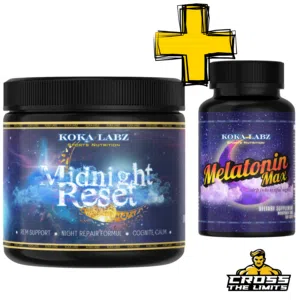
Midnight Reset takes a different approach by combining ingredients that target multiple aspects of restorative sleep, nervous system relaxation and overnight recovery. Rather than relying on a single pathway, the formula includes amino acids, neurotransmitter support, adaptogens, botanical extracts and sleep-regulating nutrients designed to work together throughout the night.
One of its standout features is the inclusion of 3,000 mg of glycine, a dose commonly associated with supporting deep sleep, overnight recovery and improved morning alertness. The formula also contains 1,500 mg of GABA to promote relaxation, alongside 750 mg of Phenibut, which is included in some advanced sleep formulations for experienced users seeking more comprehensive calming support.
To further support healthy sleep physiology, Midnight Reset combines 500 mg of L-tryptophan, 100 mg of 5-HTP and 3 mg of melatonin. These ingredients contribute to pathways involved in serotonin and melatonin production while supporting the body’s natural sleep-wake cycle.
The formula also includes magnesium glycinate, L-theanine, ashwagandha, apigenin, passion flower, hops extract, vitamin B6 (P-5-P) and zinc, each selected for its complementary role in relaxation, nervous system support or recovery.
Instead of depending on a single ingredient, Midnight Reset is designed around the principle that high-quality sleep involves multiple biological systems working together. This comprehensive approach makes it more than a traditional sleep aid—it is a formula created to support deep sleep, REM sleep, overnight recovery and waking up feeling refreshed.
Midnight Reset Ingredient Breakdown
| Primary Function | Ingredients |
|---|---|
| Sleep onset support | Melatonin, L-Tryptophan, 5-HTP |
| Deep sleep support | Glycine (3 g), Magnesium Glycinate |
| Nervous system relaxation | GABA, L-Theanine, Phenibut |
| Stress management | Ashwagandha, Apigenin |
| Botanical sleep support | Passion Flower, Hops Extract |
| Neurotransmitter support | Vitamin B6 (P-5-P), Zinc |
| Overnight recovery | Multi-pathway ingredient combination |
Midnight Reset Ingredient Matrix
| Ingredient | Primary Role | Sleep Stage Supported |
|---|---|---|
| Glycine | Cooling | Deep Sleep |
| GABA | Relaxation | Sleep Onset |
| Phenibut | CNS calming | Sleep Continuity |
| L-Theanine | Mental calm | Sleep Onset / REM |
| Magnesium | Muscle relaxation | Deep Sleep |
| Tryptophan | Serotonin pathway | REM |
| 5-HTP | Melatonin pathway | REM |
| Melatonin | Circadian timing | Sleep Onset |
| Apigenin | Relaxation | Deep Sleep |
| Ashwagandha | Stress support | Sleep Quality |
How Does Midnight Reset Compare with a Typical Sleep Supplement?
Not all sleep supplements are formulated with the same objective. Many standard products focus primarily on helping users fall asleep, often relying on just one or two active ingredients. In contrast, more comprehensive formulas are designed to support the entire sleep cycle, including deep sleep, REM sleep, nervous system relaxation and overnight recovery.
| Feature | Typical Sleep Supplement | Midnight Reset |
|---|---|---|
| Number of active ingredients | Usually 1–3 | 13+ active ingredients |
| Primary focus | Sleep onset | Complete night recovery |
| Supports deep sleep | Limited | ✔️ Glycine, Magnesium Glycinate |
| Supports REM sleep | Limited | ✔️ L-Tryptophan, 5-HTP |
| Nervous system relaxation | Sometimes | ✔️ GABA, L-Theanine, Phenibut |
| Stress support | Often absent | ✔️ Ashwagandha, Apigenin |
| Botanical extracts | Occasionally | ✔️ Passion Flower, Hops Extract |
| Recovery support | Minimal | ✔️ Multi-pathway approach |
| Designed for next-day freshness | Not always | ✔️ Complete sleep architecture support |
Unlike many traditional sleep aids, Midnight Reset was formulated to support multiple biological systems involved in restorative sleep. Rather than depending on a single active ingredient, it combines amino acids, neurotransmitter support, botanical extracts, adaptogens and sleep-regulating nutrients into one comprehensive formula. This multi-pathway approach is designed to support not only falling asleep, but also maintaining healthy sleep architecture, overnight recovery and waking up feeling refreshed.
Summary: What Makes the Best Sleep Supplement?
A truly effective sleep supplement should do more than simply help you fall asleep. The best formulas support the entire sleep cycle—from easing sleep onset and promoting deep sleep to maintaining healthy REM sleep and helping your body recover overnight. Sleep quality depends on multiple biological processes, which is why multi-ingredient formulas are increasingly preferred over single-ingredient products.
Whether your goal is better recovery after training, improved cognitive performance, or simply waking up feeling refreshed, focusing on overall sleep quality is often more important than chasing stronger sedation. Combining a consistent bedtime routine with evidence-based ingredients can help create the conditions for deeper, more restorative sleep.
If you’re looking for a practical example of a complete night-recovery formula, Midnight Reset combines ingredients selected to support relaxation, sleep architecture, and overnight recovery in a single comprehensive supplement, making it a more advanced approach than many traditional sleep aids.