A calorie deficit drives fat loss: Supplements cannot replace a sustainable diet, regular physical activity, sufficient sleep, and appropriate recovery.
Fat burners have a limited role: Thermogenic ingredients such as caffeine may temporarily increase energy expenditure, but their effect on long-term weight loss is usually modest and varies between individuals.
Protein can support muscle retention: Adequate protein intake combined with resistance training may help preserve lean mass while reducing body fat.
Creatine supports training performance: Creatine can help maintain strength and high-intensity exercise capacity during a calorie deficit, although it does not directly burn body fat.
Caffeine may improve exercise performance: It can increase alertness and delay fatigue, but excessive intake may cause anxiety, sleep problems, heart palpitations, and digestive discomfort.
Vitamin supplements are not always necessary: Most nutrients should come from a balanced diet. Supplementation should address an identified deficiency, restricted diet, or professional recommendation.
Supplements provide your body with additional substances during increased physical activity or a caloric deficit. The second case occurs during a reduction diet – when we want to get rid of fat tissue, supplements can help us increase muscle mass. Only the proper diet and an individually designed training plan are possible. Supplements support the entire process and, at the same time, help you keep your body in good condition. What supplement should you take if your goal is to reduce and lose body fat?
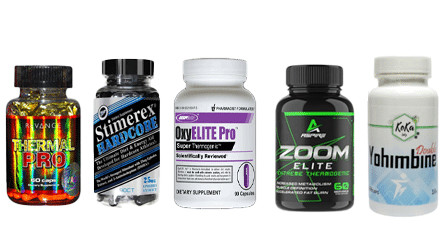
Fat burners – thermogenic
Revange Thermal pro v4
STIMEREX HARDCORE DMHA
Oxy elite Pro
Aspire ZoomElite
Double Yohimbine
People on a weight reduction diet more and more often think about thermogenic. They are commonly known as fat burners – this name suggests they are supposed to accelerate the entire fat-loss process. Thermogenics increase the thermogenesis of your body. Their goal is also to suppress the appetite and replenish the energy that the body needs during training and during the day in time of increased effort. Thermogenics affect the sympathetic nervous system. It is responsible for the heartbeat, the breathing process, the speed of digestion, and sweating. These are supplements that stimulate the human nervous system. They cause a reaction similar to the one in stressful situations. As a result, your body begins to release more adrenaline and norepinephrine. These are substances that affect the accelerated metabolism and increase body temperature. As a consequence, the fat-burning process is faster and more effective. We can find natural substances such as green tea extract and caffeine as thermogenic.
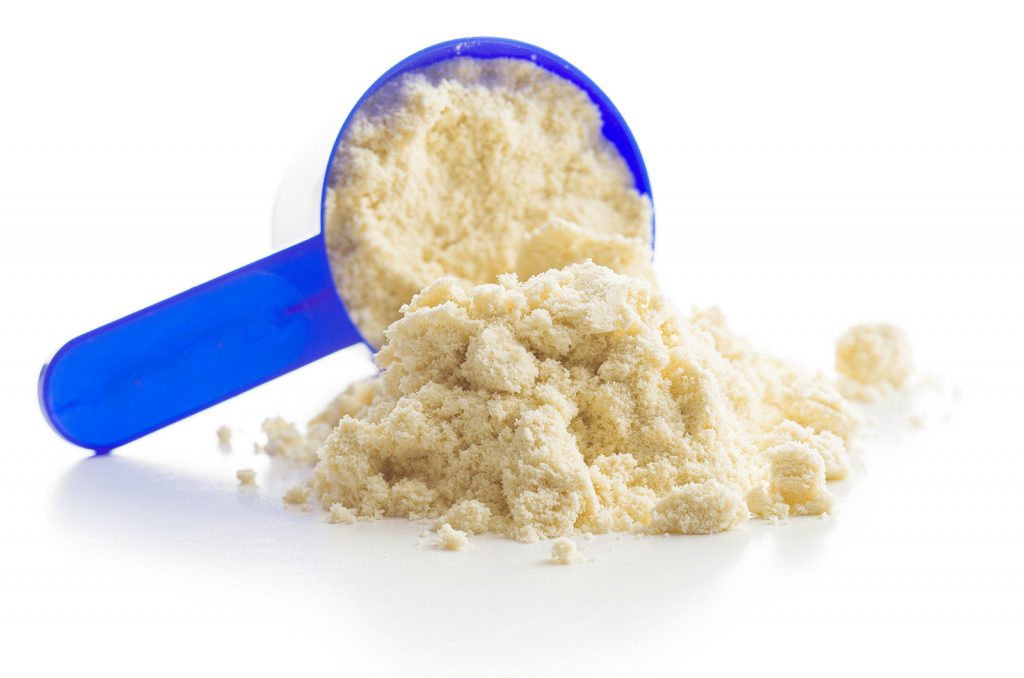
Protein supplements for people with an increased demand for proteins
When we hear about protein supplements, we tend to immediately think of the process of building mass, not of weight reduction. Protein is our muscles’ most essential building block, which is why we need it to achieve a better body structure. However, we must be aware that the demand for protein increases with the intensity of exercise. When our workouts are more frequent and demanding, we must provide our bodies with more protein. For endurance sports, 1.2-1.4 g of protein per kg of body weight should be consumed, and for strength training – 1.8-2 g per kg of body weight. According to some scientific studies, the need for proteins may be even more significant when we work on reducing body fat. By consuming them in the right amount, we increase the chance of losing fat – it is then replaced by muscle tissue, which results in a slimmer body build. The results of our training and diet can be noticed much faster. Remember that fat reduction does not always mean significant weight loss, as muscles are heavier than fat, but they make the figure slimmer and more attractive.
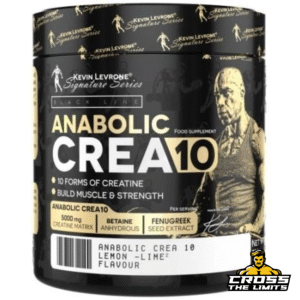
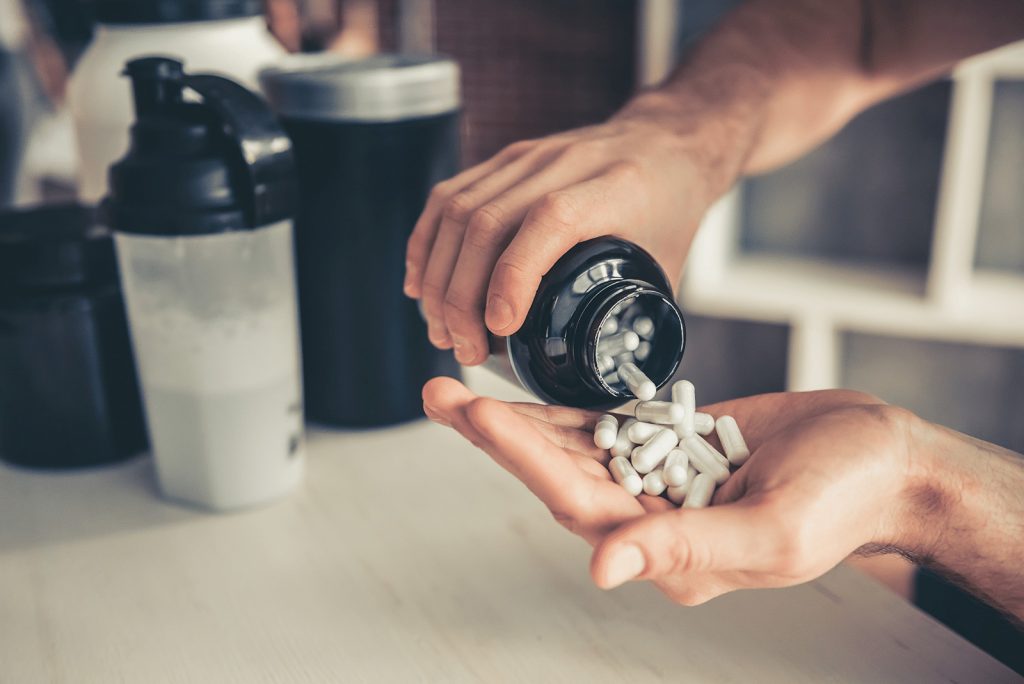
Creatine – to support the body on a harmful caloric balanced diet
This is another supplement that we associate with people who build mass. However, creatine is designed to support your body during intense training. The body is then weakened and cannot function properly without an additional energy source. In addition, the regeneration process is complex and takes more time. You will not have enough strength and energy to maintain frequent workouts. Creatine is a source of energy that helps fight such weakness caused by a negative caloric balance. Creatine stimulates the renewal of ATP molecules, energy carriers in the human body. Its proper supply results in increased exercise capacity. Consequently, your body regenerates faster, you have more strength and energy, and the efficiency of your workouts improves.
Caffeine – to motivate you to exercise
The influence of caffeine on the human body with increased physical activity has been often discussed lately. Scientists analyzed the idea of coffee consumption by athletes and its positive support for the entire training process. Caffeine inhibits the action of adenosine receptors, and the mobilization of calcium ions inside cells – and these two processes are a signal of cell fatigue that makes you feel worse. Caffeine has a significant effect on the human nervous system. It stimulates us, provides us with energy, supports thought processes and motivates us to act. It also delays fatigue so that we can exercise longer and more intensively. It is also essential for the effectiveness of resistance training, increasing your strength and general exercise capacity. Caffeine stimulates us to work and accelerates the processes of fat-burning. It is found in natural products – in coffee, of course, but also in tea and cocoa, i.e. chocolate. Athletes and sportsmen often decide to take it in capsules as a supplement.
Vitamins – to supplement deficiencies
A weight reduction diet results in a caloric deficit – we eat less and thus provide our body with insufficient nutrients, vitamins and minerals. It may cause health problems and negatively affect the functioning of our bodies. People on reduction should, therefore, support themselves with an appropriate vitamin complex. They need vitamins A and E, i.e. potent antioxidants that protect the body against the destructive effects of free radicals. The regeneration process of connective tissue, which builds tendons and joints, is greatly influenced by vitamin C, known primarily as the immunity vitamin. During intense training, the body also has a greater need for omega-3 fatty acids. They support the process of fat loss by inhibiting the gene responsible for its deposition. Besides, the increased supply of omega-3 fatty acids supports appetite suppression.
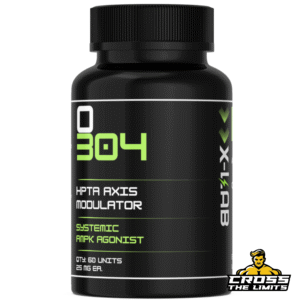
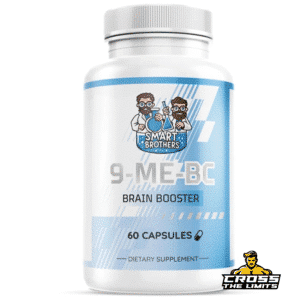
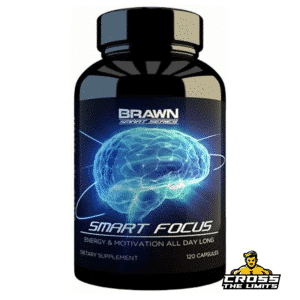
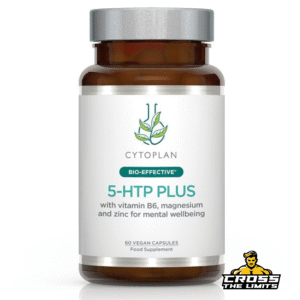
The process of reducing body fat cannot be rapid. It is possible to accelerate it, but we need to ensure that we don’t go beyond the point where it is safe for our health and body. Appropriate supplements can help you with a caloric deficit, increased physical intensity, and nutrient deficiencies, especially during intense workouts. If looking for recommended supplements with the above-mentioned substances and effects, you should take a look at:
FAQ
Which supplements can support fat loss?
Protein powder, creatine, and caffeine may support different aspects of a fat-loss programme, such as protein intake, training performance, and alertness. They do not directly replace the calorie deficit, balanced diet, and physical activity required to reduce body fat.
Do thermogenic fat burners really work?
Some thermogenic ingredients may temporarily increase energy expenditure or reduce fatigue, but their effect on long-term weight loss is generally modest. High-stimulant products can also cause anxiety, sleep disruption, increased heart rate, elevated blood pressure, and other adverse effects.
Should you take protein powder during a calorie deficit?
Protein powder can be useful when it is difficult to meet your protein target through food. Adequate protein combined with resistance training may help preserve muscle during weight loss. Protein supplements should complement rather than replace a balanced diet.
Can you take creatine while trying to lose fat?
Yes. Creatine can support strength, high-intensity performance, and training quality during a calorie deficit. It does not prevent fat loss, although increased water retention inside the muscles may cause a temporary rise in scale weight.
Do you need vitamin supplements when losing weight?
Not everyone following a calorie-controlled diet needs a multivitamin. Most nutrients should come from varied foods. Supplementation may be appropriate for an identified deficiency, a highly restricted diet, or a specific recommendation from a doctor or registered dietitian.
About the author
Cross The Limits
Cross The Limits is a passionate advocate for health, fitness, and well-being. Since 2018, we have been providing top-quality dietary supplements and vitamins across the UK. Based in Suffolk, our team is committed to helping you achieve your fitness goals with trusted products, expert advice, and unwavering support. Through our blog, we share valuable tips, insights, and the latest trends to inspire and guide you on your health and fitness journey.

 Supplements provide your body with additional substances during increased physical activity or a caloric deficit. The second case occurs during a reduction diet – when we want to get rid of fat tissue, supplements can help us increase muscle mass. Only the proper diet and an individually designed training plan are possible. Supplements support the entire process and, at the same time, help you keep your body in good condition. What supplement should you take if your goal is to reduce and lose body fat?
  Protein supplements for people with an increased demand for proteins
  Protein supplements for people with an increased demand for proteins
  Creatine – to support the body on a harmful caloric balanced diet
 Creatine – to support the body on a harmful caloric balanced diet