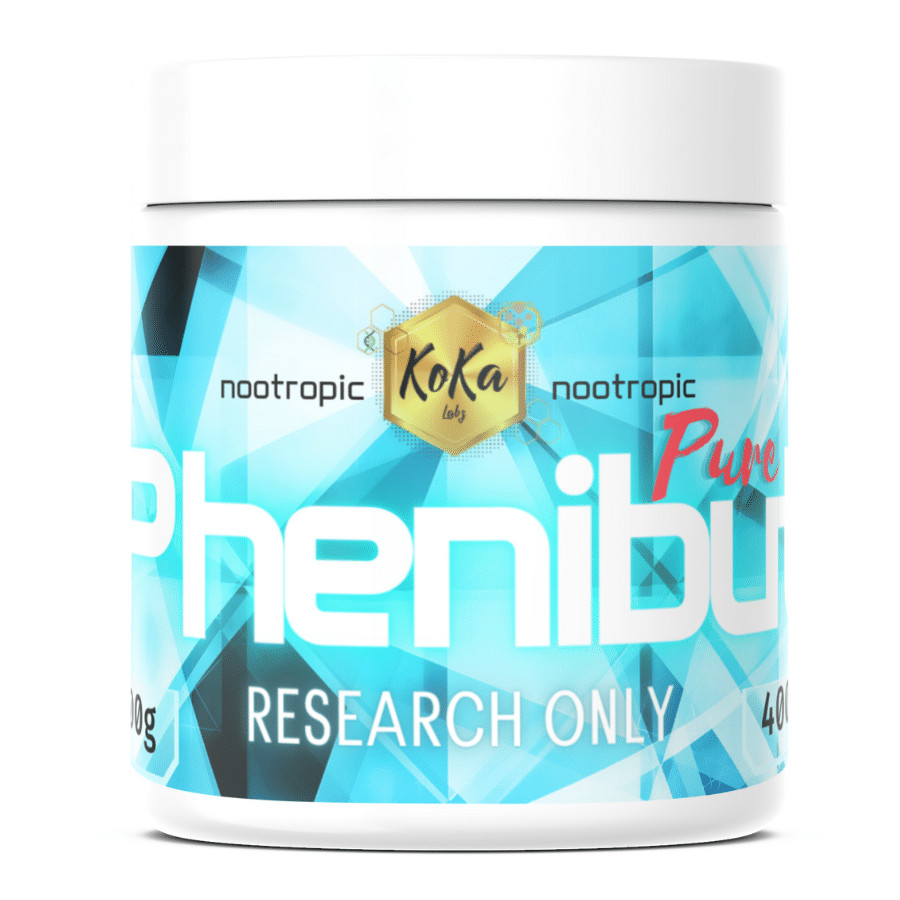




In an era where the pursuit of well-being and cognitive enhancement intersects with the rapid advancement of pharmacological science, we find ourselves navigating an ever-expanding landscape of substances, each promising its unique benefits. Amidst this vast array, Phenibut emerges as a particularly intriguing compound. Its journey from a Soviet-era pharmaceutical to a globally utilized substance encapsulates a story of scientific ingenuity, therapeutic potential, and cautionary tales. This article seeks to unpack the multifaceted world of Phenibut, delving into its history, usage, benefits, and critical examination of its risks and challenges. As we explore this compound, we tread a line between scientific understanding and anecdotal experiences, aiming to provide a comprehensive, balanced view of what Phenibut offers and the precautions necessary to navigate its use responsibly.
Key Takeaways
- Phenibut is a Soviet-developed anxiolytic with GABA-like activity. It was created in the 1960s to help manage stress without strong cognitive impairment, then later spread into broader clinical and non-clinical use.
- Its effects come from crossing the blood-brain barrier and acting mainly on GABA-B receptors. Thanks to its phenyl ring, Phenibut can enter the brain more readily than GABA, which is why it may produce noticeable relaxation, social ease, or sedation depending on dose.
- HCL and FAA differ in acidity and use style. HCL is acidic and commonly taken orally in capsules or powder, while FAA is neutral pH and may be preferred by people sensitive to acidity. Users often choose based on onset preference and gastrointestinal tolerance.
- Benefits most often reported are reduced anxiety and improved sleep. Some users also report better mood and focus under stress. Effects and onset can be variable and are influenced by dose, physiology, and frequency of use.
- The biggest risks are tolerance, dependence, and severe withdrawal. Misuse or frequent use can lead to escalating doses and difficult discontinuation. Overdose can be dangerous, with profound sedation and possible respiratory depression requiring urgent medical attention.
What is Phenibut?
Developed in the Soviet Union during the 1960s, Phenibut was initially formulated to support astronauts in managing stress and anxiety during space missions without impairing cognitive functions. This unique origin story sets Phenibut apart from other psychoactive compounds. Over time, its usage has expanded beyond aerospace medicine into various clinical and non-clinical settings across different countries. The introduction to Phenibut is crucial in understanding its multifaceted nature. As a drug developed for particular and controlled environments, it is now navigating the complexities of widespread, varied use.
Phenibut, or β-Phenyl-γ-aminobutyric acid, stands out in the realm of psychoactive substances due to its structural similarity to GABA, the chief inhibitory neurotransmitter in the human brain. This similarity allows Phenibut to emulate GABA’s natural role in reducing neuronal excitability but with enhanced potency due to its ability to cross the blood-brain barrier. The phenyl ring facilitates this crossing in its structure. Once in the brain, Phenibut binds to GABA receptors, primarily at GABA-B and, at higher doses, GABA-A, producing a range of effects from mild relaxation to sedation. Its mechanism of action is pivotal in understanding both the therapeutic potential and risks associated with its use.
What are Types of Phenibut?
The two primary forms of Phenibut, HCL (hydrochloride) and FAA (free amino acid), differ in their physical properties and methods of use. Phenibut HCL, the more common form, is a water-soluble, acidic compound typically consumed orally in tablet or powder form. It is known for its rapid absorption and onset of effects. Phenibut FAA, in contrast, is a non-acidic, neutral pH form that can be taken sublingually or ingested. It is often considered more potent due to the higher concentration of active Phenibut per milligram, which might offer a slightly different experiential profile. Users often choose between these forms based on personal preference, desired onset speed, and gastrointestinal sensitivity.
What are Forms of Phenibut and Consumption Methods?
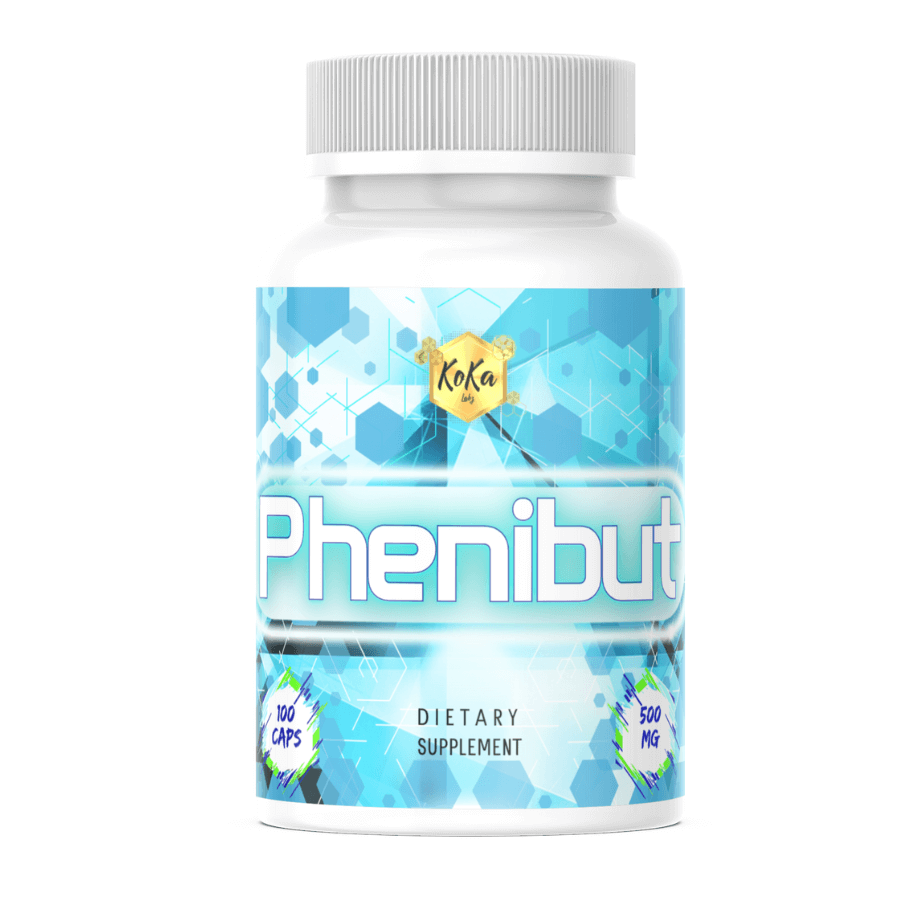
The various forms of Phenibut, including capsules, powder, and liquid, offer users different consumption methods. Capsules are a convenient and taste-neutral option, but they may delay the onset of effects. Powders offer flexibility in dosing and faster absorption, especially when mixed with water or another beverage. However, accurate dosing requires precision, often necessitating a digital scale. The liquid form, less common, provides another alternative, potentially offering faster absorption. The recommended starting dosage for Phenibut varies, typically between 250-500 mg, with users advised to start at the lower end to assess tolerance. It’s crucial to note that factors like body weight, individual sensitivity, and concurrent use of other substances can significantly influence Phenibut’s effects.
What are Benefits of Phenibut?
Phenibut is primarily sought after for its anxiolytic effects. It has been reported to significantly reduce anxiety, promote relaxation, and enhance mood, making it a popular choice for those facing stress, social anxiety or looking for a nootropic edge. Its impact on improving sleep quality is another notable benefit, with users reporting deeper, more restful sleep. Some evidence suggests cognitive benefits under stress, such as improved focus and mental clarity. However, experiences with Phenibut can be subjective and variable. While many users report positive effects, others may find it less effective, highlighting the need for individualized consideration when exploring its use.
What are Phenibut’s Effects on Consumers?
The effects of Phenibut on consumers can vary widely, often influenced by dosage, individual physiology, and frequency of use. Short-term effects typically include a noticeable reduction in anxiety, a sense of well-being, and improved social interactions. At higher doses, users may experience sedation and profound relaxation. The onset of effects usually occurs within several hours of consumption. It can last several days, depending on the dosage and individual metabolism. Long-term effects are less understood but may include tolerance, dependence, and potential cognitive impairments.
What are Risks and Side Effects of Phenibut?
While Phenibut can offer therapeutic benefits, its misuse carries significant risks. Short-term side effects may include dizziness, nausea, and, at higher doses, impaired motor functions and sedation. The most concerning aspect of Phenibut use is the potential for developing tolerance and dependence, especially with frequent use. Withdrawal symptoms can be severe, including anxiety, insomnia, irritability, and, in extreme cases, hallucinations and seizures. Long-term use can also lead to cognitive deficits, although more research is needed.
What are the Dangers of Overdosing Phenibut?
Overdosing on Phenibut can be dangerous and potentially life-threatening. Symptoms of overdose include severe drowsiness, lowered blood pressure, muscle weakness, and respiratory depression. In extreme cases, unconsciousness and coma can occur. It’s crucial to seek immediate medical attention if an overdose is suspected. Treatment typically involves supportive care and, in some cases, the use of medications to manage severe withdrawal symptoms.
What is Legal Status and Availability of Phenibut?
The legal status of Phenibut varies by country. In some regions, it’s classified as a prescription medication; in others, it’s available as a dietary supplement or not regulated. Due to its potential for abuse and health risks, some countries have restricted or banned its sale. Despite this, Phenibut can often be purchased online, which poses additional risks due to the need for more regulation and the potential for impure products.
Conclusion
Phenibut is a compound with a complex profile of benefits and risks. While it can offer significant relief for conditions like anxiety and insomnia, its potential for abuse and severe side effects cannot be ignored. Users should approach Phenibut with caution, ideally under the guidance of a healthcare professional. Further research is needed to understand its long-term effects and develop safe use guidelines fully. As with any substance affecting brain chemistry, responsible use and awareness of risks are paramount.
What is Phenibut and how does it work?
Phenibut (β-Phenyl-γ-aminobutyric acid) is a psychoactive compound structurally similar to GABA, the brain’s main inhibitory neurotransmitter. Thanks to its phenyl ring, it can cross the blood-brain barrier and primarily acts on GABA-B receptors, and at higher doses may also affect GABA-A. Its effects can range from mild relaxation to sedation, depending on dose and individual response.
What are the main types of Phenibut (HCL vs FAA) and how do they differ?
The two primary forms are Phenibut HCL (hydrochloride) and Phenibut FAA (free amino acid). HCL is water-soluble and acidic, most often taken orally in capsules or powder, and is known for relatively quick absorption. FAA is non-acidic with a neutral pH and can be taken sublingually or ingested. It may feel more potent per milligram because it contains a higher proportion of active Phenibut, although experiences can vary.
What are the commonly reported benefits and typical effects of Phenibut?
Phenibut is most often used for its anxiolytic effects, including reduced anxiety, improved mood, and increased social ease. Some users also report better sleep quality and improved focus under stress. Effects can vary widely by dose, physiology, and frequency of use, and the onset is often described as taking several hours, with duration depending on the individual and amount used.
What are the key risks of Phenibut, including dependence, withdrawal, and overdose?
Misuse of Phenibut can lead to tolerance and dependence, especially with frequent use. Short-term side effects may include dizziness, nausea, impaired coordination, and sedation at higher doses. Withdrawal can be severe, with symptoms such as anxiety, insomnia, irritability, and in extreme cases hallucinations or seizures. Overdose may cause profound drowsiness, low blood pressure, muscle weakness, and respiratory depression. Immediate medical attention is essential if overdose is suspected.