







Training versus the ketogenic diet – what should you know?

Key Takeaways
- A ketogenic diet significantly restricts carbohydrates and encourages the body to use fat and ketone bodies as its primary energy sources.
- Combining a ketogenic diet with strength training may support fat loss while helping preserve muscle mass during a calorie deficit.
- Staying in ketosis requires careful control of carbohydrate intake, while adequate protein supports recovery and increased amino acid requirements.
- A well-planned ketogenic diet should focus on natural sources of fat and protein, such as eggs, fatty fish, meat, full-fat dairy products, oils, seeds, and nuts.
 More and more people are choosing to go on a ketogenic diet and not necessarily for medical reasons. This conscious choice is made primarily by athletes and people looking to reduce body weight. Ketosis is a state in which the body is forced to use a different energy source than glucose. This is due to a drastic reduction in the number of carbohydrates consumed. Sugars are replaced by fat. Specifically, fatty acids changed to ketone bodies – these become the source of energy. It turns out that following a ketogenic diet is associated with several health benefits, including increased insulin sensitivity, muscle growth, and fat loss.
Training versus the ketogenic diet – what should you know?
The ketogenic diet involves a considerable reduction in carbohydrates at the expense of fats and protein. It turns out that by eating mainly fat, there is a reduction in body fat and at the same time increase muscle mass. We can also talk about medical ketosis, which is used to treat the symptoms of multiple diseases. The body does not need to take energy from carbohydrates, i.e., sugars, to function correctly. It works excellent on ketone bodies, which are formed as a result of burning fats – they are not only those supplied from food but also from subcutaneous fat. The problem of transporting excessive calories obtained from sugar to fat cells disappears. As a result of reducing carbohydrates in the diet, the insulin level in the blood is lowered, and its sudden spikes, which hurt mood and health, do not occur. In ketosis, the body is focused on lipolysis, the conversion of fat tissue into energy. Physically active people can see an improvement in training results, which applies to both sculpting and reduction. It is definitely more comfortable and faster to reduce body fat.
How does the ketogenic diet affect energy and appetite?
In the case of a ketogenic diet, we can also talk about a beneficial effect on the brain – feeding it with ketone bodies contributes to improving its functioning. After using up glycogen reserves during training, the body immediately switches to obtaining energy from ketones and fat tissue. You can therefore count on a reduction in body weight, but not at the expense of muscle. One of the advantages of the ketone diet is a faster feeling of satiety and decreased appetite. The cravings for sweets and hunger attacks disappear. With ketone bodies, there is a slow release of energy, making it difficult to maintain the diet. It will be important not to consume more than 50 grams of carbohydrates per day, which increases the risk of coming out of ketosis.
 What should athletes eat on a ketogenic diet?
 What should athletes eat on a ketogenic diet?
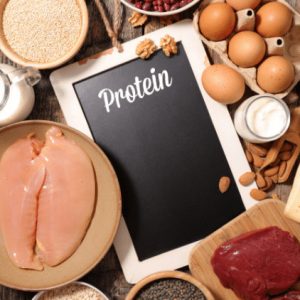
The diet should be based on facts, but there should also be an adequate amount of protein – no more than one and a half kilograms per kilogram of body weight. The ketosis diet is mainly based on eggs, bacon, fatty cuts of meat, fatty fish, full-fat dairy products, flaxseed oil, olive oil, MCT oil, butter, and coconut oil. You can also reach for seeds, seeds, and nuts, but in moderation, because in addition to a lot of fat, they also contain many carbohydrates. The diet should be as natural as possible, avoiding highly processed foods.
What are the benefits of ketosis for athletes?
The ketogenic diet works phenomenally well for most athletes. Many factors contribute to this, one of which is improved sensitivity of muscle cells to insulin, the hormone responsible for transporting glucose around the body, and increased muscle mass. With a limited carbohydrate supply and training, good insulin sensitivity ensures that the sugars you eat are used primarily by your muscles. On the other hand, with a diet based on carbohydrates and insulin resistance, you have to reckon with an increased accumulation of glucose produced from food into fat tissue. Therefore, the ideal solution turns out to be the consumption of a portion of carbohydrates before training – in such an amount as to not come out of ketosis, which is usually up to 50 grams. Strength training and a ketogenic diet are effective ways to fight insulin resistance because they result in a high sensitivity of cells to insulin.
Can ketosis help preserve muscle while losing fat?
In strength training, being on ketosis, you can afford to consume more protein because as physical activity increases, the demand for amino acids increases. The body starts to increasingly obtain energy from fat stores, including subcutaneous fat. It, therefore, promotes the loss of body fat and body weight, reducing the loss of muscle mass. Ketosis mainly protects muscle from a breakdown in the event of a caloric deficit. Strength training is a stimulus for the body to preserve muscle mass and use unnecessary fat tissue.
Can you build muscle on a ketogenic diet?
 Another advantage of training on ketosis is the favorable conditions for building muscle mass due to the calm anabolic environment, which results from increased production of relevant hormones. People who train for strength have a more comfortable and faster adaptation to a ketogenic diet – greater insulin sensitivity, improved metabolism, increased muscle mass. We can also observe an accelerated process of weight loss, emphasizing the reduction of body fat: the more muscle mass, the greater the calorie burn, and the possibility of increasing energy requirements. Athletes training on ketosis can count on recomposition, which is burning fat and building muscle mass at the same time. Of course, this requires continuous progression, i.e., increasing the volume of training and load.
FAQ
What is ketosis and how does it work?
Can you do strength training on a ketogenic diet?
Can a ketogenic diet help preserve muscle while losing fat?
How many carbohydrates can you eat while staying in ketosis?
What foods can athletes eat on a ketogenic diet?